When to Resize Your Ring: A Comprehensive Guide
You should resize a ring when it feels too loose or too tight on your finger. A ring that slips off can be lost forever. A ring that’s too snug can be uncomfortable and even cut off circulation. Getting your ring resized ensures it fits perfectly and comfortably, protecting your precious jewelry.
It’s common for finger size to change over time. Factors like weight fluctuations, temperature changes, and even age can affect how your rings fit. Many people find they need a ring resized after a few years. It’s always a good idea to have your rings checked periodically to ensure a secure and comfortable fit.
- Ring too loose? It could slip off and get lost.
- Ring too tight? It can be uncomfortable and restrict blood flow.
- Finger size changes are normal due to weight, temperature, or age.
- Resizing ensures your ring fits comfortably and safely.
We’ve researched and found the common reasons why a ring might need resizing. Let’s walk through exactly when it makes sense to get your favorite rings adjusted for a better fit.
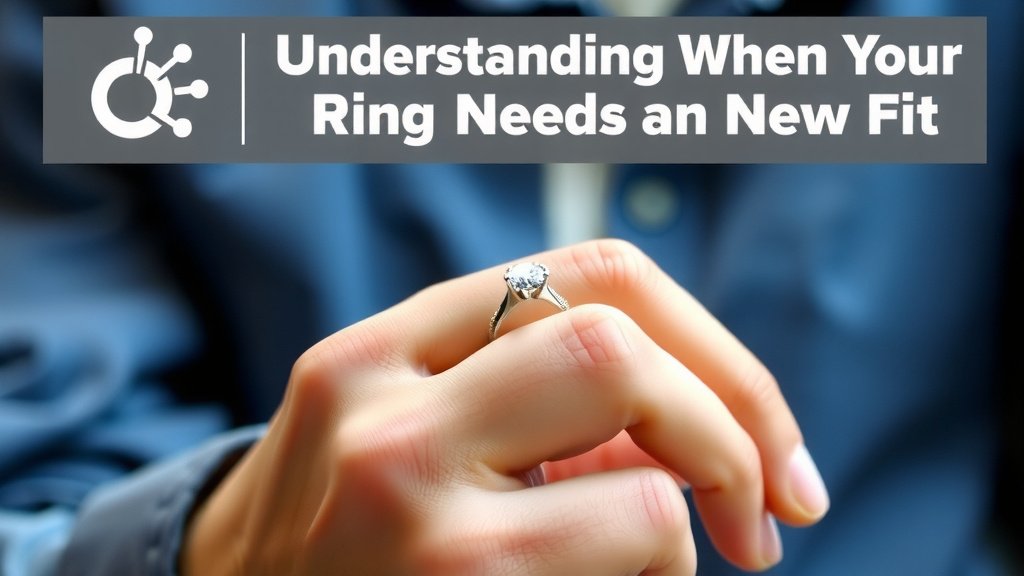
Understanding When Your Ring Needs a New Fit
You’ve probably got a favorite ring, right? The one that looks just right or holds a special memory. But what happens when it doesn’t fit quite the way it used to? We found that many people wonder about the best time to get a ring resized. It’s more than just a snug feeling; it’s about comfort, security, and protecting your cherished piece of jewelry.
Your finger size can change more than you might think. It’s a normal part of life! Think of it like a favorite shirt that fits differently after a few years. Your rings can do the same. We’re here to help you figure out exactly when it’s time to visit your jeweler for an adjustment.
Common Triggers for Ring Resizing
Weight Fluctuations
This is perhaps the most common reason for a ring needing resizing. When your weight changes, even just a few pounds, it can affect the size of your fingers. If you’ve gained weight, your ring might feel tight and uncomfortable. If you’ve lost weight, it might feel loose and slide around.
We found that for many, a change of 10-15 pounds can be enough to notice a difference in ring fit. It’s not just about dramatic changes; gradual shifts also matter. A ring that was once comfortable might become a bit of a squeeze or a loose worry.
Temperature and Environmental Factors
Ever notice your rings feeling tighter on a hot summer day? Or looser on a chilly winter morning? This is because temperature plays a big role in finger size. When it’s hot, your body retains more water, causing swelling. Your fingers can actually swell up to half a size or more.
Conversely, in colder weather, your fingers might shrink. This can make a ring that felt snug in summer suddenly feel quite loose. While these changes might be temporary, if they happen often, they can signal that a more permanent resize is needed for consistent comfort.
Pregnancy and Hormonal Changes
Pregnancy is a time of significant physical change, and that includes your fingers. Many women find their fingers swell and their ring size increases during pregnancy. This swelling can sometimes be permanent, even after the baby arrives. We’ve heard from many who had to temporarily remove their rings or even get them resized post-pregnancy.
Hormonal shifts outside of pregnancy, such as those during menopause, can also contribute to changes in finger size. These shifts can affect fluid retention and the overall structure of your body, including your hands.
Aging and Natural Changes
As we age, our bodies continue to change, and our hands are no exception. We found that many people experience a slight increase in finger size over time. This can be due to a variety of factors, including changes in bone density and tissue elasticity. Your knuckles might also become a bit larger.
Think of it like a well-loved leather item that might stretch slightly over years of use. Your fingers can undergo similar subtle changes. A ring that fit perfectly in your 20s might feel different in your 40s or 50s.
Signs Your Ring Is the Wrong Size
The “Too Loose” Indicators
Is your ring constantly spinning around your finger? Does it slide down towards your knuckle when you wash your hands? These are clear signs your ring is too loose. The biggest fear here is losing your ring completely. Imagine the panic if your precious ring slipped off unnoticed into a drain or a crowd!
We found that a ring that can be easily twisted or pulled over your knuckle without resistance is likely too big. You might also notice it feels insecure when you’re doing manual tasks or reaching for something. It’s always better to resize it a bit smaller than to risk losing it.
The “Too Tight” Signals
On the flip side, a ring that feels constricting is also a problem. Does it leave deep indentations on your finger? Is it difficult to remove, sometimes requiring soap or lotion to get off? This indicates your ring is too tight.
More concerningly, a ring that’s too tight can actually cut off circulation. Your finger might feel numb, tingly, or even change color. Medical professionals advise that rings should not impede blood flow. We found that for some, a tight ring has caused discomfort and even pain, making everyday tasks difficult.
When to Consider Resizing Different Ring Types
Solitaire Engagement Rings
Engagement rings, especially those with a prominent center stone, often have a specific balance. If the band is too loose, the entire ring can spin, causing the stone to sit awkwardly on the side of your finger. If it’s too tight, it can be uncomfortable, especially if the ring’s setting has sharp edges.
eternity Bands and Rings with Many Stones
Eternity bands, with stones all the way around, present a unique challenge. Because there’s no plain metal area, they cannot be easily resized by simply adding or removing metal from the back. These often require more specialized techniques, and sometimes, if the size difference is significant, a new ring might be the best option.
We found that for eternity bands, a size change of more than a quarter to half a size can be tricky to adjust without affecting the stone setting. It’s wise to discuss options with your jeweler early on.
Wide Bands vs. Thin Bands
Wide bands tend to fit tighter than thin bands. This is because a wider band covers more of your finger. If you’re switching from a thin ring to a wide one, or vice versa, you might need a different size. A wide band that’s just slightly too tight can feel significantly more uncomfortable than a thin band of the same fit.
For wide bands, we found that sometimes a ring needs to be sized up a quarter size from what a thin band of the same circumference would require. This accounts for the increased surface area and potential for a snugger feel.
Making the Decision: A Quick Checklist
Still wondering if it’s time? Here’s a quick way to check:
- Does your ring spin freely on your finger without any resistance?
- Do you have to force your ring off, or does it leave deep marks?
- Does your finger feel numb or tingly when wearing the ring?
- Has your weight changed significantly since you got the ring?
- Do you often remove your ring because it feels uncomfortable due to temperature?
- Have you lost or almost lost your ring due to it being too loose?
If you answered yes to any of these, it’s likely time to get your ring checked by a professional. They can assess the fit and offer the best solutions. If you’ve answered yes, you’ll also want to know how long does ring resizing take.
Conclusion
Your ring’s fit is more than just a comfort issue; it’s about security and protecting your jewelry. We’ve covered the common reasons your fingers change size, from weight shifts and temperature to life events like pregnancy and natural aging. Pay attention to the signs your ring is too loose or too tight. Don’t let a poor fit risk losing a cherished piece. If you’ve noticed any of the tell-tale signs, your next step is clear: schedule a visit with your trusted jeweler for a professional assessment and resizing.
Frequently Asked Questions
How often should I check my ring size?
It’s a good idea to check your ring fit about once a year, or whenever you notice a noticeable change in your body weight. While finger sizes can change gradually, major life events like pregnancy or significant weight fluctuations are definite triggers to re-evaluate your ring’s fit.
Can a ring be resized more than once?
Yes, most rings can be resized multiple times. However, excessive resizing can weaken the metal, especially with intricate designs or rings with many stones. Your jeweler can advise if a ring is becoming too fragile for further adjustments.
Will resizing affect the look of my ring?
For most standard rings, resizing is done discreetly by adding or removing metal from the band, so the visible appearance is largely unaffected. For rings with stones all around (eternity bands), resizing can be more complex and might impact the setting.
How long does ring resizing typically take?
The time frame can vary depending on the jeweler’s workload and the complexity of the ring. Generally, you can expect resizing to take anywhere from a few days to a couple of weeks. Simple adjustments are usually quicker.
What’s the difference between sizing up and sizing down a ring?
Sizing down usually involves removing a small portion of the band and soldering it back together, which is often straightforward. Sizing up typically involves cutting the band and inserting a new piece of metal. Both methods are common, but the process and cost can differ slightly.