
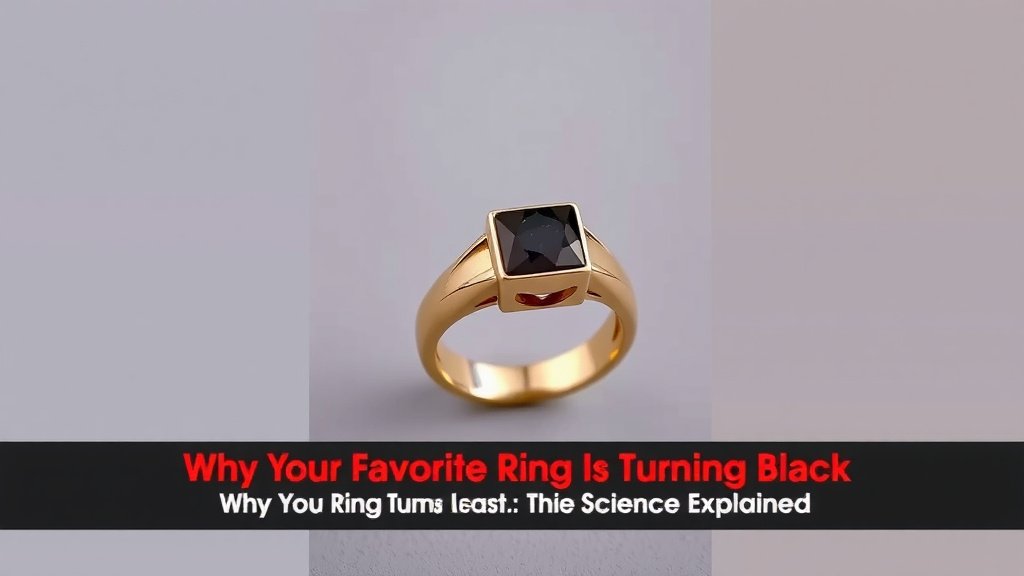
Why Your Ring Turns Black: The Science Explained
Your ring turns black mostly because of a chemical reaction between the metal and substances it contacts. This is often caused by sulfur, found in things like lotions, soaps, and even your skin’s natural oils. When sulfur mixes with certain metals like silver or brass, it forms a dark sulfide layer, making your ring look black.
This common issue doesn’t necessarily mean your ring is low quality. Many materials can react, leading to that frustrating tarnish. We found that even everyday activities can trigger this, from showering to cooking. Understanding the causes helps you keep your jewelry looking shiny and new.
- The main culprit is often sulfur.
- It reacts with metals like silver and brass.
- Everyday products can contain sulfur.
- Skin chemistry also plays a role.
Let’s figure out why your ring is changing color and what you can do about it.
Why Your Favorite Ring Is Turning Black
It’s a common, slightly alarming sight: your beautiful ring suddenly looks dull or even black. You might wonder if you bought a fake or if your ring is ruined. But don’t panic! This color change is usually a natural chemical reaction, not a sign of poor quality.
Many metals can react with everyday substances. This reaction creates a dark layer on the surface. It’s like a ring’s way of saying hello to certain chemicals. We’ve found that understanding these common causes can help you keep your jewelry looking its best.
The Science Behind the Tarnish: It’s All About Sulfur
The main reason your ring turns black often comes down to sulfur. This element is surprisingly common. It’s found in many things we use daily. Think about soaps, lotions, and even some foods. Your skin also produces natural oils. These oils can contain sulfur compounds.
When sulfur meets certain metals, a chemical reaction happens. This creates a dark compound called a metal sulfide. For example, silver reacts with sulfur to form silver sulfide. This is what gives your ring that black appearance. Brass, an alloy of copper and zinc, can also react similarly. This is a very common cause of discoloration.
Common Culprits That React With Your Ring
You might be surprised by how many everyday items can trigger this reaction. It’s not just one or two things. It’s a whole host of common products and activities.
We’ve looked into what these items are. Identifying them can help you prevent future tarnishing. Let’s break down the usual suspects:
- Lotions and Creams: Many moisturizers contain sulfur compounds. Even a tiny amount can react.
- Soaps and Shampoos: These often have chemicals that can interact with metals.
- Perfumes and Hairsprays: The ingredients in these can also cause discoloration.
- Sweat and Skin Oils: Your body’s natural chemistry plays a big part.
- Chlorinated Water: Pools and hot tubs are common culprits. Chlorine can be harsh.
- Certain Foods: Eggs and mayonnaise, for instance, contain sulfur.
Metals Prone to Turning Black
While many metals can react, some are more susceptible than others. The purity and type of metal matter a lot. Understanding this can help you choose jewelry wisely.
Here are the metals most likely to show that black tarnish:
Sterling Silver’s Sulfur Sweet Spot
Sterling silver is a popular choice for rings. It’s an alloy of 92.5% silver and 7.5% other metals, usually copper. This copper content makes it more durable than pure silver. However, it also makes it reactive.
The silver itself reacts with sulfur in the air and from your skin. This creates silver sulfide. It’s a natural process for sterling silver. Many experts say this is a hallmark of real sterling silver. It doesn’t mean your ring is fake or low quality.
Brass and Copper: A Fiery Reaction
Rings made of brass or copper are also prone to turning black. Brass is an alloy of copper and zinc. Copper is particularly reactive with sulfur and oxygen. This is why copper pots and pans can sometimes develop a dark patina.
These metals can also react with acids. Your skin’s pH levels can change. This can accelerate the tarnishing process. Brass and copper jewelry often develop a deep, dark color over time. This is a natural oxidation. It’s part of their charm for some.
Gold and Platinum: Usually More Resistant
Pure gold is very resistant to tarnishing. It’s a noble metal. This means it doesn’t easily react with most substances. However, most gold jewelry isn’t pure gold. It’s mixed with other metals to make it harder and more durable.
The lower the karat of gold (e.g., 10K or 14K), the more alloy metals it contains. These alloys can sometimes react. This might cause a slight discoloration. Platinum is also a noble metal and is highly resistant to tarnish. It’s very unlikely to turn black from normal wear.
Skin Chemistry: Your Own Contribution
Did you know your skin plays a role? Yes, your body chemistry can affect your rings. Everyone’s skin pH and oil production are different. These factors influence how metals react.
Some people naturally have more acidic skin. Others sweat more. These conditions can speed up tarnishing. It’s not about your ring being “bad.” It’s just about how your ring interacts with your unique body.
We found research suggesting that diet can even play a role. High intake of certain vitamins or medications can alter body chemistry. This might lead to rings turning darker faster. It’s a fascinating connection between you and your jewelry.
The Role of Your Environment
Where you live and what you do can also make a difference. Environmental factors contribute to tarnish.
Humidity is a big one. High humidity means more moisture in the air. This can accelerate the oxidation process for metals like silver and copper. If you live in a humid climate, you might notice your rings tarnish more quickly.
Exposure to pollutants also matters. Air pollution can contain sulfur dioxide. This gas reacts with metals to form sulfides, just like elemental sulfur. So, living in a city might mean your rings get tarnished faster than those in a rural area.
What to Do When Your Ring Turns Black: Quick Steps
Seeing a black ring can be disheartening, but it’s usually reversible. The good news is that most tarnish can be cleaned off.
Here’s a quick checklist to get you started:
- Gently Wipe: Start with a soft, lint-free cloth.
- Mild Soap and Water: Try a gentle dish soap and lukewarm water.
- Specialized Cleaner: Use a commercial jewelry cleaner for your metal type.
- Avoid Harsh Chemicals: Never use abrasive materials or strong acids.
- Dry Thoroughly: Always ensure your ring is completely dry afterward.
- Store Properly: Keep it in a dry, airtight bag or box.
Regular cleaning and proper storage are key. They can help keep your rings looking bright and beautiful for years to come. We found that a little bit of care goes a long way!
Conclusion
Your ring turning black is a common occurrence, usually due to everyday interactions with sulfur and other substances. Metals like sterling silver and brass are more prone to this reaction, but it doesn’t mean your jewelry is low quality. Your skin’s natural chemistry and environmental factors can also play a role in how quickly tarnish appears. The good news is that most discoloration can be cleaned away with simple, gentle methods. You can keep your rings looking their best by understanding these causes and practicing regular, careful cleaning and proper storage.
Frequently Asked Questions
Can I wear my silver ring in the shower?
It’s generally best to remove your sterling silver ring before showering. Soaps, shampoos, and conditioners often contain sulfur compounds that can accelerate tarnishing. Letting your ring air dry completely after cleaning is also important to prevent moisture from causing further discoloration.
How often should I clean my rings?
The frequency depends on how often you wear your rings and what you expose them to. If you notice any dullness or darkening, it’s a good time to clean them. For everyday wear, a gentle wipe with a soft cloth after each wear can help maintain shine and prevent heavy tarnish buildup.
Is it normal for a new ring to turn black quickly?
Yes, especially with metals like sterling silver, brass, or copper. New rings can sometimes tarnish faster as the metal surface is highly reactive and hasn’t developed any protective patina yet. Everyday products and your skin’s oils can cause an immediate reaction.
Does sweat make my ring turn black?
Your sweat can contribute to your ring turning black. The salts and acids in perspiration can react with certain metals, particularly copper and silver, leading to discoloration. If you exercise or sweat a lot, it’s a good idea to remove your rings or clean them afterward.
What’s the safest way to clean a tarnished ring at home?
For light tarnish, gently rub your ring with a soft, lint-free cloth. For more significant tarnish, you can try a mild dish soap and lukewarm water solution. Rinse thoroughly and dry completely with a soft cloth. Always avoid abrasive cleaners or scrubbing, as these can damage the metal finish.