Marquise Cut Rings: Everything You Need to Know
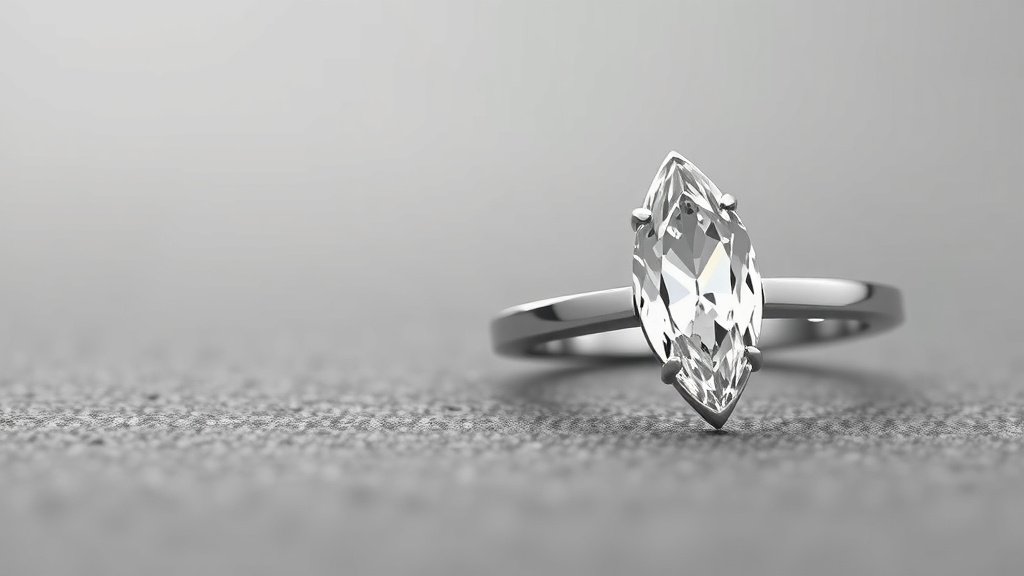
A marquise cut ring features a diamond with a unique oval shape that’s elongated with pointed ends. This cut is also known as the “navette” shape. It’s a stunning choice for engagement rings because it can make your diamond appear larger. Many people love its elegant and distinctive look.
When you’re considering a marquise cut, think about its history. This style dates back to the 18th century. It was designed to resemble the lips of the Marquise de Pompadour. The long, slender shape is known for its brilliance and fire. It can also create a beautiful illusion of longer fingers.
- Marquise cut rings have a distinct oval shape with pointed ends.
- It’s often called the “navette” shape.
- This cut can make your diamond look bigger.
- It has a long history, dating back to the 18th century.
- The shape is known for its brilliant sparkle.
Ready to learn more about this elegant diamond shape? Let’s take a closer look at what makes a marquise cut ring so special.
Understanding the Elegant Marquise Diamond Cut
You’re likely here because you’ve seen a marquise cut ring and were captivated by its unique charm. But what exactly defines this special diamond shape? The marquise cut is an elliptical shape. It features a pointed tip at each end. Think of it like a tiny football or a very fancy eye shape. This distinctive form is what sets it apart from more common cuts like the round brilliant. It’s a choice for those who want something a little different.
This cut is also known by its French name, the “navette,” which means little boat. This name makes sense when you visualize the shape. Many people find its elongated form incredibly flattering. It can create the illusion of longer, more slender fingers. This is a popular feature for engagement rings. It’s all about visual appeal and a touch of historic romance.
A Look at the Marquise Cut’s History and Origin
The story behind the marquise cut adds to its allure. Its origins date back to the 18th century. Legend has it that King Louis XV of France commissioned this cut. He wanted a diamond that resembled the lips of his favorite mistress, the Marquise de Pompadour. This romantic origin story gives the cut a special kind of elegance. It’s not just a shape; it’s a piece of history. We found this fascinating detail in several historical accounts of jewelry design.
The cut was perfected over time. Its goal was to maximize the diamond’s brilliance. It needed to capture light beautifully. The elongated facets help to distribute light. This results in a dazzling sparkle. It was a significant innovation in diamond cutting during its era. Its popularity has waxed and waned, but it always seems to make a comeback.
The Distinctive Features of a Marquise Cut Diamond
What makes a marquise cut stand out visually? It’s all about its proportions. The ratio of length to width is key. This ratio can vary. A more elongated marquise will look slimmer. A shorter, wider one will appear more rounded. You’ll often see ratios between 1.5:1 and 2:1. The exact ratio influences its appearance significantly.
The pointed ends are also a defining characteristic. They are delicate. They require careful setting to protect them from chipping. Many jewelers recommend a protective setting for marquise diamonds. This is to ensure your ring stays beautiful for years. You want to safeguard those beautiful points!
Understanding the Brilliance and Sparkle
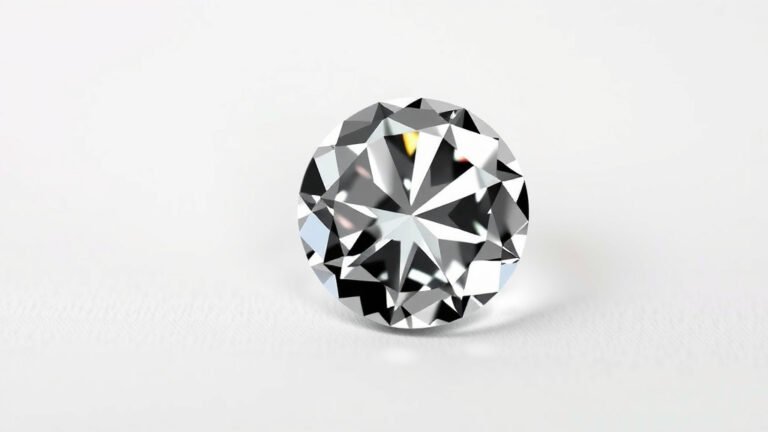
The marquise cut is designed for maximum sparkle. It has 57 or 58 facets. These facets are strategically placed. They reflect light efficiently. When light hits the diamond, it bounces around. This creates scintillation, or sparkle. Many people are drawn to the way a marquise diamond catches the light. It’s quite mesmerizing to watch.
Compared to a round brilliant cut, the marquise disperses light differently. It can sometimes show a “bow-tie” effect. This is a darker, bowtie-shaped shadow in the center. While some find it undesirable, many experts say a well-cut marquise minimizes this. The key is finding a diamond with good symmetry and proportions. This effect is common in many elongated diamond cuts.
Why Choose a Marquise Cut for Your Ring?
So, why might a marquise cut be the perfect choice for you? One of the biggest draws is its impressive size appearance. Because of its elongated shape, a marquise diamond often looks larger than a round diamond of the same carat weight. For example, a one-carat marquise diamond can appear to be about the size of a 1.25-carat round diamond. This can be a significant advantage if you’re looking for maximum visual impact on a budget.
The unique shape also offers a chance for personal expression. It’s less common than other cuts. This means your ring will likely stand out. It’s a way to showcase your individual style. If you prefer something classic yet distinctive, the marquise is a strong contender. It bridges the gap between tradition and personal flair.
Practical Considerations for Marquise Rings
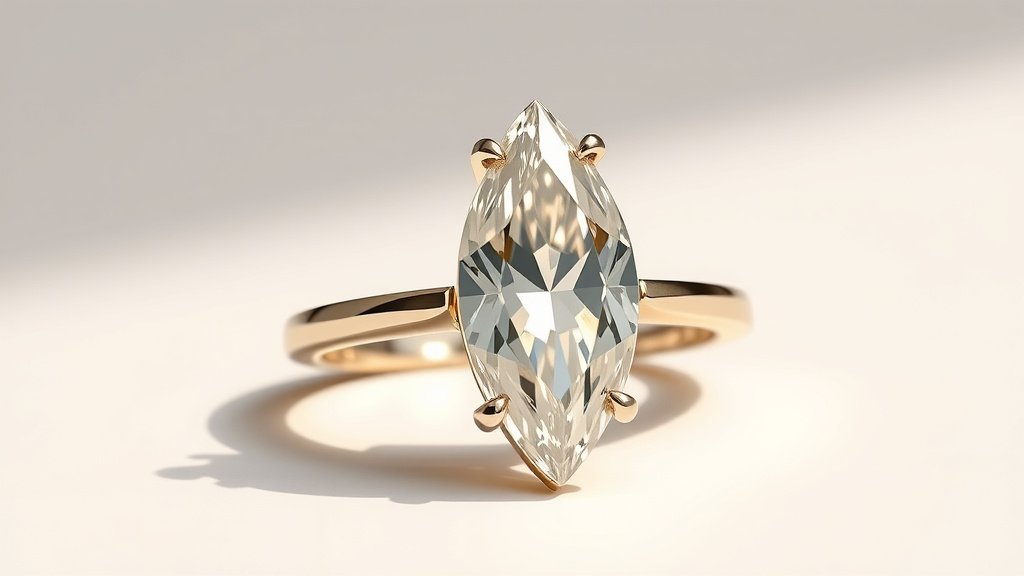
When you’re thinking about a marquise cut, there are a few practical things to consider. As mentioned, the pointed ends are vulnerable. They can chip or break if not protected. This is why the setting is so important. Prongs that fully cup the points, like a V-prong setting, are highly recommended. These offer excellent protection. You want your diamond to be secure.
Another aspect to think about is the bow-tie effect. While we touched on it, it’s worth reiterating. Not all marquise diamonds have a prominent bow tie. It depends on the specific cut and proportions. When viewing a marquise diamond, look for one where the bow tie is minimal or you find it appealing. It’s a matter of personal preference.
Setting Styles That Complement the Marquise
The setting can dramatically change the look and wearability of a marquise ring. A solitaire setting highlights the diamond’s unique shape. It allows the marquise to be the star. For added sparkle, consider a halo setting. This surrounds the marquise with smaller diamonds. It can make the center stone appear even larger and add extra brilliance.
Settings with side stones can also be stunning. Baguette diamonds or smaller marquise-cut stones flanking the center can create a beautiful effect. These are often called three-stone settings. If you plan on a more active lifestyle, a bezel setting offers the most protection. It encircles the entire diamond with metal, guarding those delicate points effectively. We found that many modern settings offer great protection for this cut.
Comparing Marquise to Other Diamond Cuts
How does the marquise stack up against other popular cuts? Let’s look at a few comparisons to help you decide:
| Cut | Key Features | Pros | Cons |
|---|---|---|---|
| Marquise | Elongated oval, pointed ends | Appears larger, flattering finger illusion, unique | Vulnerable points, can show bow-tie effect |
| Round Brilliant | Classic, perfectly symmetrical | Maximum sparkle, durable, widely available | Can appear smaller for carat weight, common |
| Princess Cut | Square, pyramid shape | Modern, brilliant sparkle, good value | Can chip on corners, may show inclusions |
| Oval Cut | Elongated round shape | Appears larger, good sparkle, less prone to damage than marquise | Can show bow-tie effect |
As you can see, each cut has its own strengths. The marquise offers a wonderful balance of size appearance and unique style. It’s a great option if you want something that feels both classic and individual. Many jewelers agree that the visual impact is a major selling point (GIA). We found this comparison helpful for understanding the differences.
Tips for Buying a Marquise Cut Ring
Ready to find your perfect marquise? Keep these tips in mind:
- Focus on the length-to-width ratio. Aim for what you find visually appealing.
- Check for a minimal bow-tie effect. Unless you love it, look for a well-proportioned stone.
- Prioritize a protective setting. V-prongs or a bezel are excellent choices.
- Consider the setting style. It greatly impacts the overall look and durability.
- Don’t forget the 4 Cs. Cut, color, clarity, and carat weight still matter!
- View it in person if possible. Seeing it sparkle on your hand is the best test.
Taking these steps can help ensure you find a marquise cut ring that you’ll adore for a lifetime. It’s a beautiful and meaningful choice for any occasion.
Conclusion
You’ve learned that the marquise cut offers a unique blend of history and modern style. Its distinctive elongated shape, reminiscent of a navette or tiny boat, is known for creating the illusion of longer fingers and a larger diamond appearance. While its delicate pointed ends require careful consideration for settings like protective V-prongs, its historical romance and dazzling sparkle make it a standout choice. If you’re seeking a ring that feels personal, elegant, and visually impactful, the marquise cut is definitely worth exploring further for your special piece.
Frequently Asked Questions
How durable is a marquise cut diamond?
Marquise diamonds are less durable than some other cuts due to their pointed ends. These points are more susceptible to chipping or breaking if struck directly. Choosing a protective setting, such as a V-prong or a full bezel, is highly recommended to safeguard your diamond.
Does a marquise cut really make a diamond look bigger?
Yes, a marquise cut diamond often appears larger than other diamond shapes of the same carat weight. Its elongated surface area spreads out the weight, creating a more expansive visual presence on the hand. This illusion is a major draw for many shoppers.
What is the “bow-tie effect” in a marquise cut?
The bow-tie effect is a shadowed area in the center of the diamond that resembles a bow tie. It’s a natural characteristic of many elongated diamond cuts, including the marquise. While some find it distracting, a well-cut marquise will minimize this effect, and some people even find it adds character.
Is a marquise cut a good choice for an engagement ring?
Absolutely! A marquise cut is a beautiful and distinctive choice for an engagement ring. It offers a unique style that stands out from more common cuts, and its flattering shape can make fingers appear longer and more slender. Just remember to prioritize a secure setting.
What’s the difference between a marquise and an oval cut diamond?
While both are elongated, the marquise cut has pointed ends, creating a more dramatic, eye-like shape. An oval cut is essentially a softer, rounder version of an elongated diamond. The marquise is often perceived as more unique and may appear larger than an oval of the same carat weight.