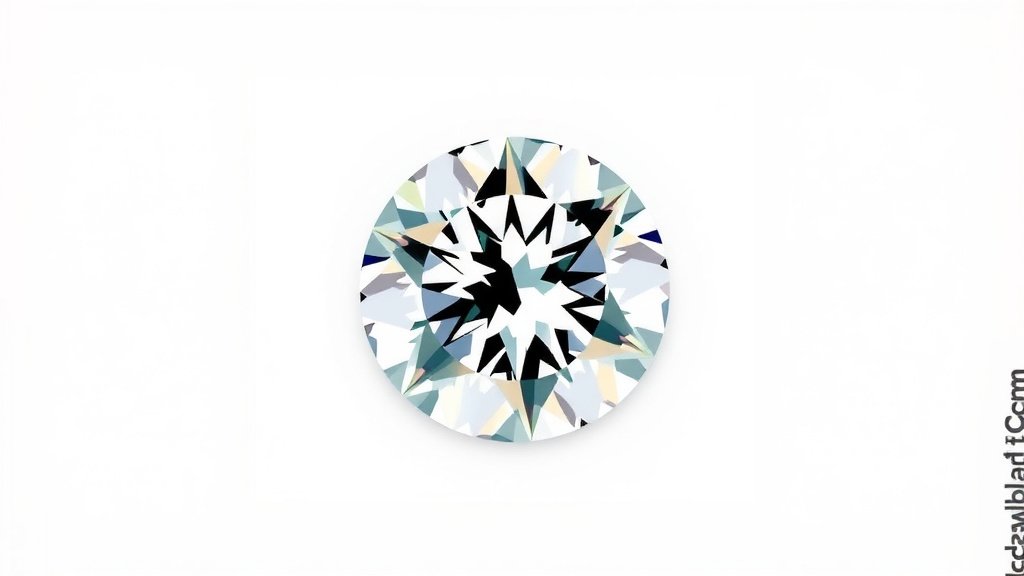
Old European Cut Diamond: A Timeless Engagement Gem
An Old European Cut diamond is a vintage diamond cut that was popular from the late 19th century to the 1930s. It’s known for its slightly softer, warmer appearance compared to modern cuts. These diamonds often have a unique charm and character. They represent a piece of jewelry history.
Many jewelers and collectors appreciate the distinctive sparkle and slightly less symmetrical faceting of an Old European Cut. This style predates the modern round brilliant cut. It was the primary diamond cut before advancements in technology. Understanding its features can help you spot a true gem.
- Old European Cuts are vintage diamonds.
- They were popular before the 1930s.
- Known for a softer, warmer sparkle.
- Less symmetrical than modern cuts.
- Offer a unique, historical charm.
If you’re curious about these beautiful, historical diamonds, we’ve got you covered. Let’s break down what makes an Old European Cut so special.
You’re likely drawn to the unique beauty and historical charm of vintage jewelry. Perhaps you’ve seen a ring or pendant with a diamond that seemed to sparkle a little differently—softer, warmer, and with a captivating depth. That distinctive look often belongs to an Old European Cut diamond.
Understanding the Charm of Old European Cut Diamonds
An Old European Cut is essentially the predecessor to today’s modern round brilliant cut. It was the most popular diamond shape during a significant era in jewelry history. Before advancements in cutting technology, gem cutters used their hands and simpler tools. This resulted in diamonds with unique characteristics that set them apart.
A Glimpse into Diamond Cutting History
The late 19th and early 20th centuries were a time of transition for diamond cutting. Gem cutters were moving away from older styles like the Old Mine Cut. They were also experimenting with ways to maximize a diamond’s brilliance. The Old European Cut emerged from these efforts. It was crafted between roughly 1870 and 1930. This period saw diamonds become more accessible and fashionable.
Key Visual Characteristics
So, what makes an Old European Cut visually distinct? It’s a combination of its proportions and facet arrangement. Think of it as a diamond that’s still finding its footing before the perfect modern cut was established. They often have a chunky appearance. Their facets are less precise than what we see today.
Size and Shape of the Culet
One tell-tale sign is the culet. This is the small point at the very bottom of a faceted gemstone. In Old European Cuts, the culet is often open, meaning it’s a visible, flat facet. Sometimes, it can appear quite large. This differs from modern cuts, where the culet is usually pointed and closed, or completely absent.
Facet Structure and Symmetry
You’ll notice that the facets on an Old European Cut diamond aren’t perfectly symmetrical. They tend to be more rounded. The overall shape of the diamond is round, but its faceting pattern is less mathematically precise. This gives each diamond its own personality. It’s like a fingerprint!
Proportions and Light Performance
Compared to a modern round brilliant, Old European Cuts often have a deeper pavilion. The pavilion is the lower part of the diamond, below the girdle. This depth affects how the diamond reflects and refracts light. Instead of a sharp, fiery sparkle, you get a softer glow. We often describe it as a “candlelight” sparkle.
The Sparkle Factor: Warmth and Fire
This is where the Old European Cut truly shines, in its own unique way. Modern diamonds are cut to maximize brilliance and fire. They aim for sharp flashes of light. Old European Cuts, with their larger facets and deeper pavilions, produce a softer, more diffused light. It’s less about intense flashes and more about a warm, luminous glow.
Many people find this appearance incredibly romantic. It’s a sparkle that feels gentle and inviting. Think of sitting in a room lit by candles. The light catches the diamond beautifully. This is the kind of charm an Old European Cut offers. It’s a glow that feels more subdued and elegant.
| Feature | Old European Cut | Modern Round Brilliant |
|---|---|---|
| Popularity Era | c. 1870 – 1930 | Post-1930s to Present |
| Culet | Often Open/Visible | Usually Pointed/Closed or None |
| Facet Shape | More Rounded, Less Precise | Sharp, Precisely Cut |
| Pavilion Depth | Typically Deeper | Optimized for Brilliance |
| Sparkle Quality | Soft, Warm Glow (“Candlelight”) | Bright, Fiery Brilliance |
| Symmetry | Less Symmetrical | Highly Symmetrical |
Why the Difference in Sparkle?
The evolution of diamond cutting technology played a huge role. Gem cutters gained access to better tools and more advanced techniques. Laser technology also made precise cutting much easier. They learned how to orient the facets to capture and return the maximum amount of light. This led to the creation of the modern round brilliant cut, designed for ultimate sparkle. But in that pursuit of perfection, something of the older charm was left behind.
Spotting an Old European Cut Diamond
If you’re looking to identify one of these beauties, keep a few things in mind. Firstly, the age of the piece is a strong indicator. If a diamond is set in an Edwardian or Victorian era mounting, it’s a good bet it’s an Old European Cut. Vintage jewelry collectors often seek these out specifically.
Next, examine the diamond itself. Look for that open culet. You might need a jeweler’s loupe for a closer look. Also, observe the overall feel of the sparkle. Does it seem to radiate a softer, more internal light? Is it less “blingy” and more “glowy”? These are clues.
Finally, consider the overall proportions. Does the diamond appear a bit thicker or deeper than you might expect for its width? This is common with Old European Cuts. They were cut based on the rough diamond’s shape and how to get the best possible stone from it, rather than purely mathematical ideals.
Are Old European Cut Diamonds Right for You?
Choosing a diamond is deeply personal. If you appreciate history and unique character, an Old European Cut might be perfect. They tell a story of a bygone era. You’re not just buying a gemstone; you’re acquiring a piece of history. Many people love the warm, vintage aesthetic they bring to engagement rings and other jewelry.
However, if your heart is set on the maximum possible brilliance and sharp fire that a diamond can produce, a modern round brilliant might be a better fit. We found that for some, the preference comes down to the overall mood they want their jewelry to evoke. The Old European Cut offers a romantic, understated elegance.
A Checklist for Identifying Old European Cuts
Here’s a quick way to remember what to look for:
- Check for an open culet (a flat facet at the bottom).
- Observe the facet shapes – are they more rounded?
- Notice the sparkle – is it a softer, warmer glow?
- Look at the diamond’s depth – is it deeper than expected?
- Consider the setting’s age – is it from the Victorian to Art Deco eras?
- Does it have a unique, less perfect charm?
Many antique jewelry enthusiasts are drawn to the romanticism of these older cuts. They represent a connection to the past. Each stone has a unique narrative, shaped by the hands of artisans from a different time. If that appeals to you, then an Old European Cut diamond is definitely worth exploring!
Conclusion
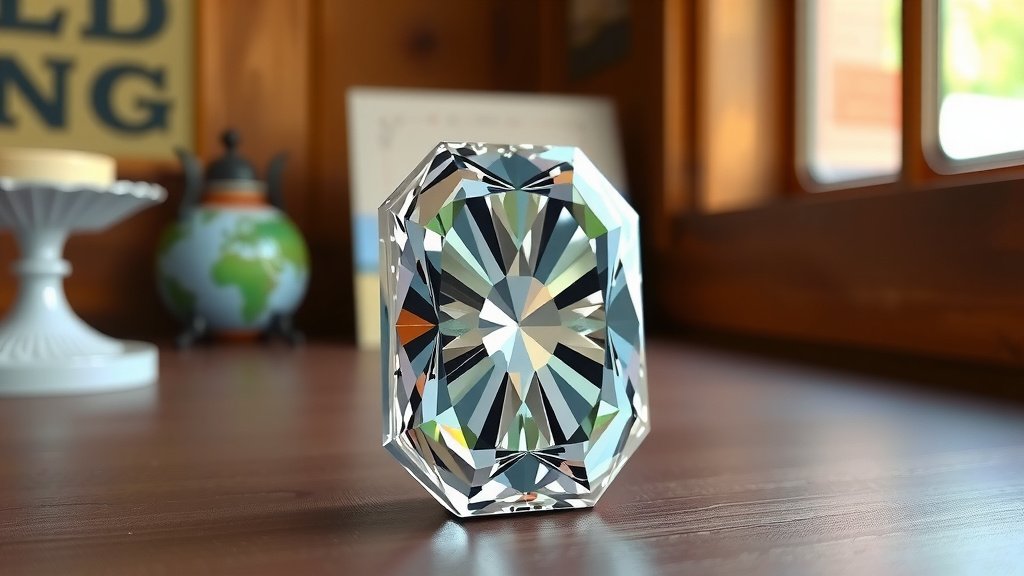
You’ve learned that an Old European Cut diamond offers a unique historical charm. It’s the predecessor to today’s modern round brilliant. You can identify them by their open culet and softer, warmer sparkle. If you appreciate vintage aesthetics and a connection to the past, this cut might be perfect for your next piece of jewelry. We encourage you to visit a jeweler specializing in antique gems. See if the gentle glow of an Old European Cut diamond speaks to your personal style.
Frequently Asked Questions
Are Old European Cut diamonds more valuable than modern ones?
Value depends on many factors, including diamond quality, size, and rarity. Old European Cuts are sought after for their historical appeal and unique beauty. While some antique diamonds command high prices, their value isn’t automatically higher than a modern diamond of comparable quality. It’s more about personal preference and aesthetic.
Can I find an Old European Cut diamond in a modern setting?
Yes, you absolutely can! Many people choose to reset antique Old European Cut diamonds into modern settings. This allows you to combine vintage charm with contemporary design. It’s a wonderful way to create a truly unique engagement ring or piece of jewelry.
How can I tell if a diamond is an Old European Cut without a loupe?
While a jeweler’s loupe helps with precision, you can often spot clues with the naked eye. Look for a diamond that seems to have a warmer, softer sparkle rather than sharp, fiery flashes. Also, consider the age of the jewelry setting; older mountings are more likely to house older diamond cuts.
Do Old European Cut diamonds have the same clarity and color grading as modern diamonds?
The grading systems used today were developed after the peak popularity of the Old European Cut. While you can still assess their clarity and color, the terminology might differ slightly. The focus was more on maximizing the diamond’s beauty with the available technology, rather than strict adherence to modern grading scales.
Are Old European Cut diamonds ethically sourced?
Diamonds from before the mid-20th century are generally considered ethically sourced, as the Kimberley Process, aimed at preventing conflict diamonds, was established much later. However, it’s always wise to buy from reputable dealers who can provide provenance and assurance about their sourcing practices.