Discover the Old Mine Cut Diamond: History and Beauty
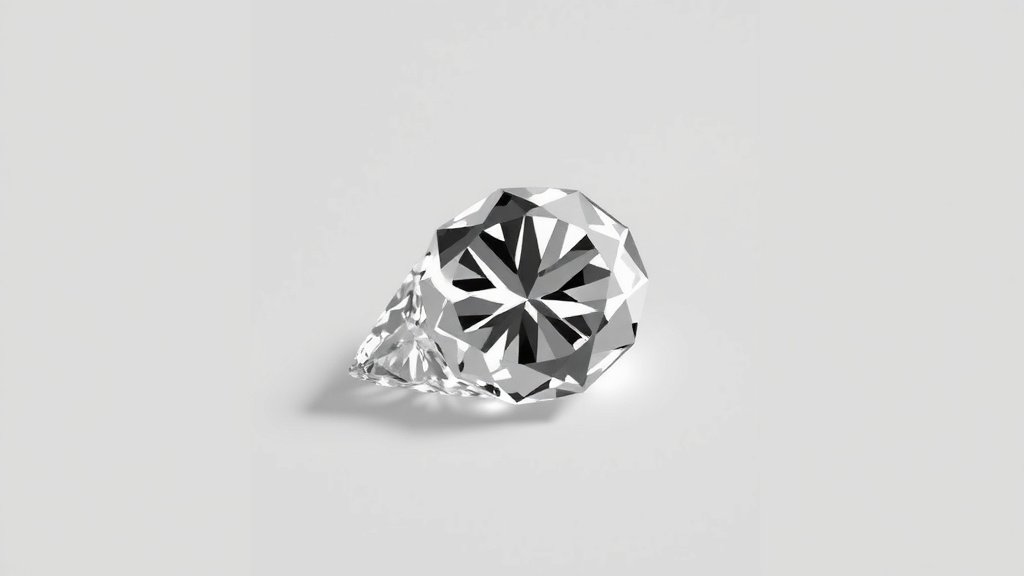
An old mine cut diamond is a vintage diamond shape with a unique, cushion-like outline. It has a smaller table and a higher crown than modern cuts. This creates a distinct sparkle that differs from today’s popular diamonds. You might see them in older jewelry pieces.
These diamonds were popular from the 1800s to the early 1900s. They were hand-cut, giving them a charming imperfection. Many collectors love them for their historical charm and unique fire. Unlike modern cuts, they often show broad flashes of light rather than tiny, sharp ones.
- Old mine cut diamonds are vintage cushion-shaped stones.
- They feature a high crown and small table.
- Their sparkle is characterized by broad flashes of light.
- They were popular from the 1800s to the early 1900s.
- They are prized for their historical appeal and unique look.
Let’s dive into the captivating world of old mine cut diamonds and discover what makes them so special.
Understanding the Old Mine Cut Diamond
So, you’ve heard about old mine cut diamonds and are wondering what makes them so unique? You’re in the right place! An old mine cut diamond is essentially a precursor to today’s popular cushion cut. It’s a beautiful, hand-cut diamond that offers a distinct charm and sparkle all its own. Think of it as the original cushion diamond, with a story to tell.
These diamonds were all the rage from the 1700s through to the early 1900s. Before modern machinery, every single diamond was meticulously shaped and polished by hand. This means no two old mine cut diamonds are exactly alike. They possess a certain warmth and character that modern, machine-cut diamonds often lack.
A Look at Its Distinctive Features
What visually sets an old mine cut apart from other diamonds? It starts with its shape and how it was cut. They generally have a squarish cushion shape, but with softer, more rounded corners than a modern cushion cut. This classic shape gives them a vintage appeal that’s hard to resist.
The Crown and Pavilion: A Deeper Dive
One of the most noticeable differences lies in the diamond’s proportions. Old mine cut diamonds typically feature a higher crown. The crown is the top part of the diamond, above the girdle. A higher crown means the diamond sits a bit taller. This affects how light enters and reflects within the stone, creating its unique sparkle.
You’ll also find they usually have a smaller table. The table is the largest, flat facet on the top of the diamond. A smaller table, combined with the higher crown, contributes to a different kind of brilliance. Instead of tiny, sharp flashes, these diamonds tend to show broader flashes of light and a lovely, fiery glow.
Understanding the Culet
Another key characteristic is the culet. The culet is the very bottom point of a diamond. In old mine cut diamonds, it’s often visible to the naked eye. It can appear as a small, flat surface or even a tiny facet. This is a tell-tale sign you’re looking at an older cut. Modern cuts, especially round brilliants, are typically cut without a visible culet to maximize brilliance and avoid a “fish-eye” effect.
The Sparkle Factor: Fire and Brilliance
How does an old mine cut diamond sparkle? It’s a dance of light that’s different from what you see in a modern round brilliant. Because of their deeper pavilions and higher crowns, these diamonds tend to exhibit more “fire”. Fire refers to the dispersion of light into its spectral colors, like a rainbow. You’ll see these lovely flashes of color play across the stone.
While they may not have the same level of sharp, icy brilliance as a modern cut, old mine cuts offer a warmer, softer glow. Many people adore this romantic sparkle. It’s less about a million tiny pinpricks of light and more about larger, more captivating flashes. It truly feels alive on your finger.
Why Are Old Mine Cuts So Sought After Today?
You might be wondering, with all the advancements in diamond cutting, why do people still seek out these older styles? It really boils down to a few compelling reasons. They aren’t just gemstones; they’re pieces of history.
A Connection to the Past
Wearing an old mine cut diamond means you’re wearing a piece of history. These diamonds were popular during a time of great change and craftsmanship. Many were cut during the Georgian and Victorian eras. Owning one is like holding a tangible connection to the past. It’s a reminder of the artistry and dedication that went into creating beautiful things long before lasers and computers.
Unique Character and Charm
Unlike the uniformity often found in modern cuts, old mine cuts boast unique imperfections and character. Because they were cut by hand, slight variations are common. These aren’t flaws; they’re part of the diamond’s individuality. This charm is what draws many collectors and vintage jewelry enthusiasts to them. They have a personality all their own.
The Allure of Rarity
As time goes on, genuine old mine cut diamonds become rarer. Many have been recut into modern shapes to appear more brilliant or are simply lost to time. Finding one in its original condition can be a delightful discovery. This rarity adds to their desirability and value for those who appreciate vintage pieces.
Identifying an Old Mine Cut Diamond
If you’re browsing vintage jewelry or thinking about adding a unique diamond to your collection, how can you spot an old mine cut? There are a few key things to look for. Remember, it’s a bit like being a detective for beautiful gems!
Visual Cues to Watch For
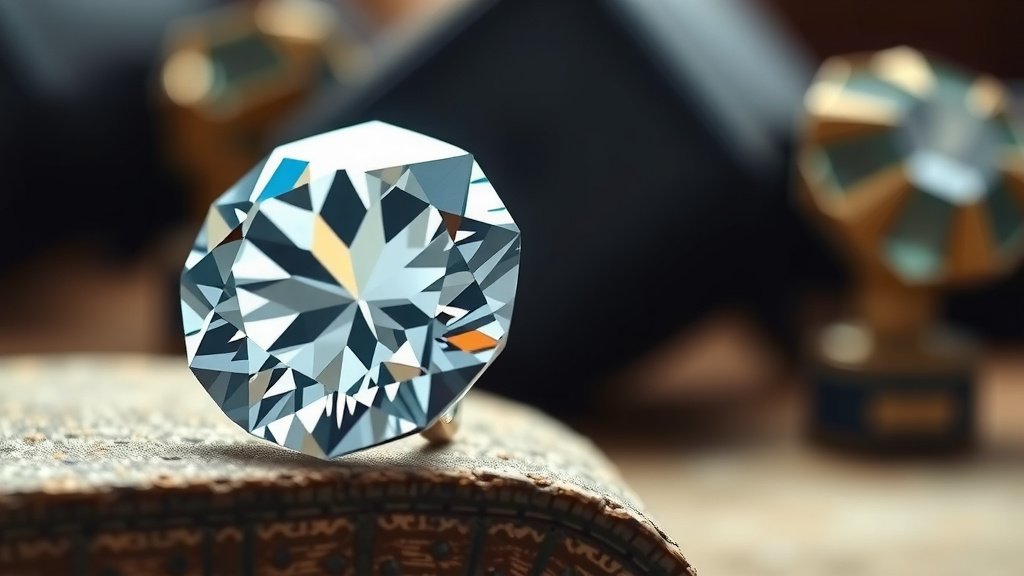
First, consider the overall shape. Does it look like a cushion shape with rounded corners? Is it a bit squarish rather than perfectly rectangular? Then, look at the proportions. Does the diamond seem to sit quite high on its setting? Does it have a noticeably small table on top?
Next, examine the sparkle. Are you seeing broader flashes of light and color rather than sharp, tiny facets? And as mentioned before, can you see the culet at the very bottom point? These visual clues are your best indicators of an authentic old mine cut. It’s the combination of these traits that truly defines the stone.
What About Modern Cushion Cuts?
It’s important to distinguish old mine cuts from modern cushion cuts. While they share a resemblance, modern cushion cuts are designed with current technology. They often have larger tables, lower crowns, and are optimized for maximum brilliance. They also tend to have more facets. Old mine cuts have a more traditional, antique appeal.
Here’s a quick comparison:
| Feature | Old Mine Cut | Modern Cushion Cut |
|---|---|---|
| Shape | Squarish cushion, rounded corners | Can be square or rectangular, sharper corners |
| Table | Generally smaller | Generally larger |
| Crown | Typically higher | Typically lower |
| Sparkle | Broad flashes of light, more fire | Sharp brilliance, more scintillation |
| Culet | Often visible | Usually absent or very small |
| Cutting Style | Hand-cut | Machine-assisted or fully automated |
Where to Find These Gems
You’re most likely to find old mine cut diamonds in vintage and antique jewelry stores. Estate sales and auctions are also excellent places to look. Sometimes, they appear in modern “vintage-inspired” pieces, but true old mine cuts are usually set in older settings. When you’re shopping, don’t hesitate to ask the jeweler about the diamond’s history and cut.
Here’s a quick checklist for spotting an old mine cut:
- Look for a squarish cushion shape with rounded corners.
- Notice if the diamond sits high with a noticeable crown.
- Check for a smaller table (the top flat surface).
- Observe the sparkle for broad flashes of light and color.
- See if the culet (bottom point) is visible.
- Consider its overall antique character and charm.
Conclusion
You’ve learned that old mine cut diamonds offer a captivating window into jewelry history. Their unique charm comes from being hand-cut, resulting in a distinctive squarish cushion shape and a warmer, broader sparkle than modern diamonds. These gems aren’t just beautiful; they carry the artistry and romance of centuries past. If you’re drawn to their historical appeal and one-of-a-kind character, your next step is to visit a trusted vintage or estate jeweler. You might just find the perfect piece of history for your collection.
Frequently Asked Questions
Are old mine cut diamonds more valuable than modern cuts?
The value of an old mine cut diamond depends on several factors, including its quality (cut, color, clarity, carat) and its rarity. While some rare and high-quality old mine cuts can command high prices, it’s not a universal rule. Their historical significance and unique charm are often a major part of their appeal and perceived value to collectors.
Can an old mine cut diamond be worn every day?
Yes, you can absolutely wear an old mine cut diamond every day. However, because they were hand-cut and may have slightly softer edges or a visible culet, they can be more prone to chipping than modern, precisely engineered cuts. It’s wise to be mindful of this and perhaps opt for a protective setting like a bezel. Consider a protective setting like a bezel to safeguard your vintage gem.
What is the difference between an old mine cut and a cushion cut?
An old mine cut is essentially the original version of the cushion cut. While both have a cushion-like shape, old mine cuts typically have higher crowns, smaller tables, and more rounded corners, leading to a broader, warmer sparkle. Modern cushion cuts are often more symmetrical and optimized for maximum brilliance, with larger tables and lower crowns.
How can I tell if a diamond is truly an old mine cut?
Look for a squarish cushion shape with rounded corners, a higher profile (it sits taller), a smaller flat surface on top (the table), and broader flashes of light rather than tiny, sharp ones. A visible culet (the bottom point) is also a strong indicator. It’s always best to consult with a knowledgeable jeweler.
Are old mine cut diamonds hard to find today?
Genuine old mine cut diamonds are becoming rarer as time passes. Many have been recut into modern shapes over the years, or they are simply part of older jewelry pieces that are passed down. Finding one in its original state can be a rewarding discovery for those who appreciate antique gems.