What Is a Polished Finish Ring: A Complete Guide
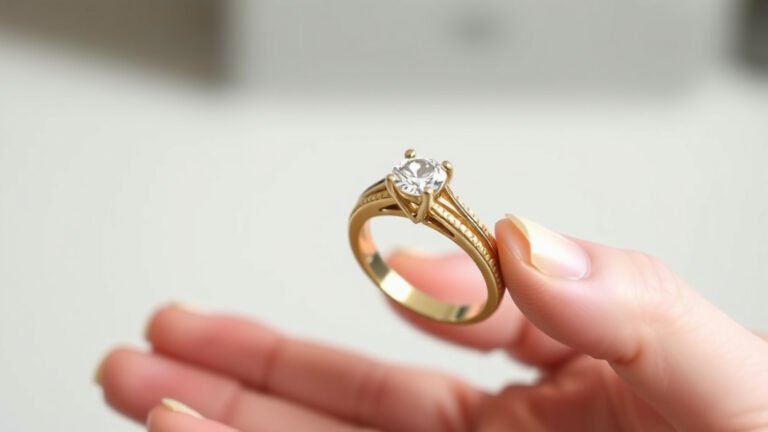
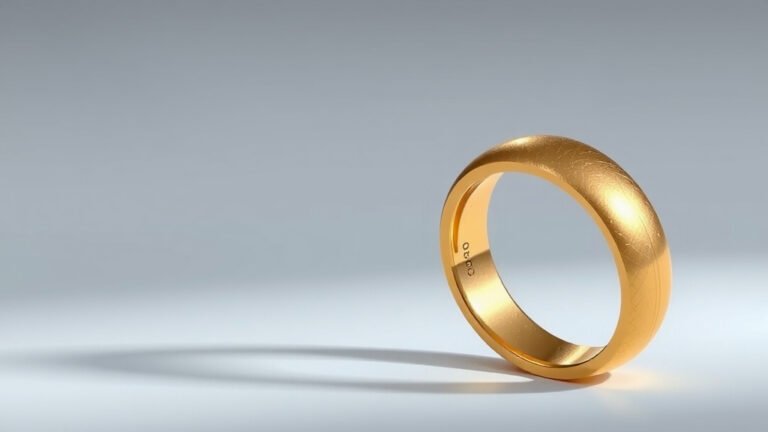
A polished finish ring is a ring with a smooth, shiny surface that reflects light. This popular finish is achieved by carefully buffing and polishing the metal until it gleams. It’s often the go-to choice for those seeking a classic and elegant look.
This bright, mirror-like appearance makes rings stand out. Polished finishes are a staple for many jewelry styles, from simple bands to elaborate designs. They offer a clean and sophisticated aesthetic that many people love.
- A polished finish ring is smooth and shiny.
- It’s achieved through buffing and polishing.
- This finish offers a classic, elegant look.
- It’s a very popular choice for many ring styles. Polished finishes are a staple for many jewelry styles, from simple bands to elaborate designs.
Let’s walk through what makes a polished finish so special and what you should know before choosing one for your next ring.
So, you’re curious about that sparkling, mirror-like finish on rings? It’s more than just a pretty shine; it’s a specific type of metal treatment that makes a ring pop. Let’s dive into what makes a polished finish ring so appealing and what you should consider when choosing one.
Understanding the Polished Ring Finish
A polished finish means the metal surface of your ring has been meticulously smoothed and buffed. This process removes any tiny scratches or imperfections left from manufacturing. The result is a bright, reflective surface that gleams beautifully under light. Think of it like polishing a car to a mirror shine; the same principle applies here.
This finish is created by using progressively finer abrasive materials. We’re talking about sandpaper with increasingly smaller grits, then special polishing compounds. This careful, multi-step process is what gives the metal its signature smooth feel and high shine. Many jewelry makers consider this the classic standard for a reason.
How is the Shine Achieved?
The journey to a polished finish involves several stages. It starts with a coarser grit to remove any significant tool marks. Then, you move to finer grits, almost like using increasingly smooth sandpaper. After the physical smoothing, chemical or mechanical polishing compounds are used.
These compounds contain very fine abrasives. They work to fill in any microscopic unevenness and create that ultra-smooth surface. Finally, buffing wheels, often made of soft cloth or felt, bring out the mirror-like luster. It’s a labor-intensive process that truly makes the metal shine. We found that the quality of the polish often depends on the skill of the artisan.
What Metals Can Be Polished?
The good news is that most common jewelry metals can achieve a beautiful polished finish. This includes popular choices like:
- Gold: Yellow gold, white gold, and rose gold all take a high polish wonderfully.
- Platinum: Known for its natural white color, platinum offers an exceptionally durable and brilliant polished finish.
- Sterling Silver: A very popular choice, sterling silver can achieve a bright, reflective polish, though it can tarnish over time.
- Stainless Steel: Modern and durable, stainless steel also polishes up to a lovely shine and is resistant to corrosion.
- Titanium: While often known for its matte finishes, titanium can also be polished to a bright sheen.
Even some harder metals like tungsten can be polished, though it requires specialized techniques due to their hardness. The key is that the metal must be workable and able to achieve a smooth surface. We discovered that the inherent color of the metal plays a role in how the polish appears.
The Aesthetic Appeal of Polished Finishes
Why is a polished finish so popular? It really comes down to its classic beauty and versatility. A polished surface reflects light brilliantly, making the metal itself the star of the show. It looks clean, bright, and sophisticated. It’s a look that never truly goes out of style.
Timeless Elegance
Polished rings have a timeless quality. They offer a sense of refined simplicity that complements almost any outfit or occasion. Whether it’s a wedding band, an engagement ring, or a fashion ring, the polished finish provides a bright, eye-catching element. It’s a look that suggests purity and brilliance.
Think about a simple gold band with a polished finish. It’s understated yet impactful. It draws attention to the craftsmanship and the quality of the metal. Many people find this clean aesthetic very appealing. It’s the kind of jewelry that can be passed down through generations and still look stunning. We found that this timelessness is a key reason for its enduring popularity.
Versatility in Design
A polished finish works well with a huge variety of ring designs. It’s not just for plain bands. You’ll see it on rings with elaborate settings, intricate carvings, and gemstone embellishments. The shine of the polished metal can make gemstones appear even more vibrant.
It acts as a perfect backdrop, allowing diamonds or colored stones to truly sparkle. Even with engraved patterns, a polished background can make the design stand out more. It provides a clean contrast that highlights any decorative elements. This makes it a fantastic choice for custom designs too.
Choosing Your Polished Ring: Things to Consider
While a polished finish is beautiful, there are a few things to keep in mind. It’s always good to be fully informed so you can make the best choice for you. What works for one person might not be the perfect fit for another. Let’s look at some practical points.
Durability and Wear
Polished finishes are certainly durable in terms of the metal itself. However, that mirror-like shine can be susceptible to scratches. Everyday wear and tear can introduce tiny abrasions. These can slightly dull the mirror finish over time. It’s like any shiny surface; it shows wear.
The good news is that most scratches on a polished finish are superficial. They don’t typically affect the integrity of the ring. Many jewelers can re-polish a ring to restore its original shine. This is a service many people take advantage of every few years. We found that this ease of restoration is a significant advantage.
Maintenance and Care
Keeping your polished ring looking its best is relatively simple. Regular cleaning can make a big difference. You can use a soft jewelry cloth to gently buff out smudges and fingerprints.
For a deeper clean, mild soap and warm water are usually effective. Gently scrub with a soft brush, rinse thoroughly, and pat dry with a lint-free cloth. Avoid harsh chemicals or abrasive cleaners, as these can damage the polish. Store your polished rings separately to prevent them from scratching each other.
Here’s a quick checklist for caring for your polished ring:
- Gently wipe with a soft jewelry cloth.
- Use mild soap and warm water for deeper cleaning.
- Avoid harsh chemicals or abrasive cleaners.
- Pat dry thoroughly with a lint-free cloth.
- Store rings separately to prevent scratches.
Comparison to Other Finishes
It’s helpful to see how polished finishes stack up against others. Here’s a quick look:
| Finish Type | Appearance | Pros | Cons |
|---|---|---|---|
| Polished | Bright, mirror-like, reflective | Classic, elegant, shows gemstone brilliance | Shows scratches more easily |
| Matte/Brushed | Dull, non-reflective, textured | Hides scratches well, modern look | Can look less formal, doesn’t enhance stone sparkle |
| Satin | Soft, subtle sheen, smooth | Elegant but understated, hides minor scratches | Less reflective than polished |
As you can see, each finish offers a unique look and set of characteristics. The “best” finish really depends on your personal style and how you plan to wear your ring. A polished finish is perfect if you love that classic, brilliant shine and don’t mind a little occasional upkeep to keep it looking its absolute best. It’s a choice that offers enduring beauty.
Conclusion
You’ve learned that a polished finish ring offers a classic, mirror-like shine that truly catches the light. This popular aesthetic is achieved through meticulous buffing and polishing, making metals like gold, platinum, and silver gleam. While this finish provides timeless elegance and versatility for any design, it’s good to know it can show scratches more easily than other types. The ease of re-polishing means you can restore its brilliance. Now that you understand the appeal and care of polished rings, you’re ready to choose one that perfectly suits your style. Consider a polished finish if you love that bright, sophisticated sparkle!
Frequently Asked Questions
How often should I polish my ring if it has a polished finish?
You don’t need to polish your ring often. A gentle wipe with a soft jewelry cloth after wearing can remove fingerprints and smudges. For a deeper clean, mild soap and water work well. Re-polishing is typically only needed every few years if visible scratches dull the shine, or when you want it to look brand new again.
Can a polished ring be repaired if it gets scratched?
Yes, absolutely! Scratches on a polished finish are usually superficial. Most jewelers can easily re-polish your ring to remove minor scratches and restore its original mirror-like shine. This makes polished finishes a very practical choice for everyday wear, as their beauty can be revived.
Does a polished finish make gemstones sparkle more?
A polished finish can enhance a gemstone’s sparkle. The bright, reflective surface of the metal acts like a mirror, bouncing light back through the gemstone. This often makes diamonds and other stones appear more brilliant and lively. It provides a clean backdrop that lets the stone truly stand out.
Are polished rings good for everyday wear?
Polished rings can be great for everyday wear, but it depends on your lifestyle. While the metal itself is durable, the shiny surface can show scratches from daily activities. If you work with your hands or are prone to bumping your rings, you might notice wear sooner. However, the ease of re-polishing makes them a resilient choice.
What’s the difference between a polished and a brushed finish on a ring?
A polished finish is very smooth, shiny, and mirror-like, reflecting light intensely. A brushed finish, on the other hand, has a matte, non-reflective appearance with fine lines or texture. Brushed finishes tend to hide minor scratches better, while polished finishes show them more readily but can be restored.