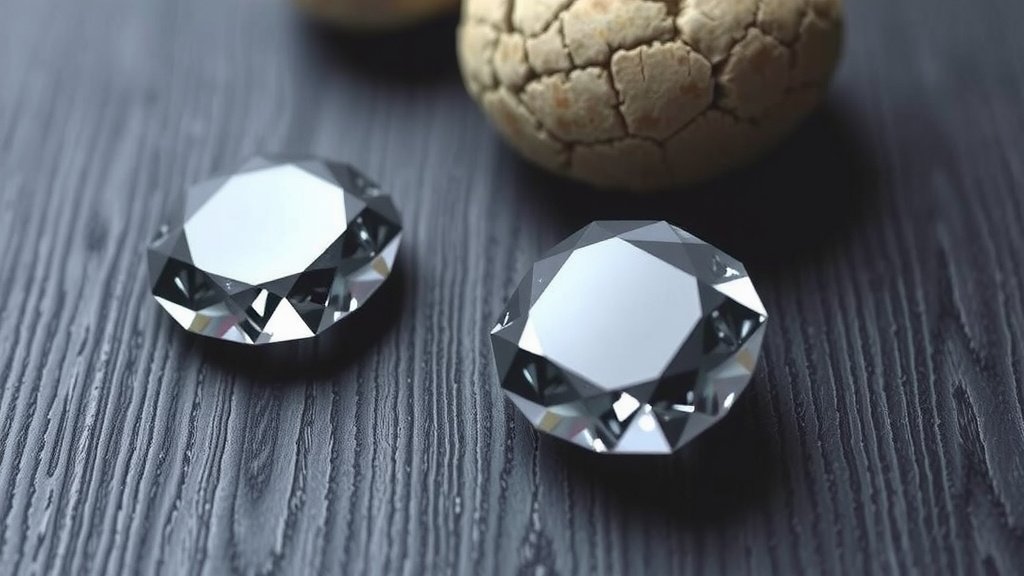
Understanding the Focal Stone: What It Is and Why It Matters
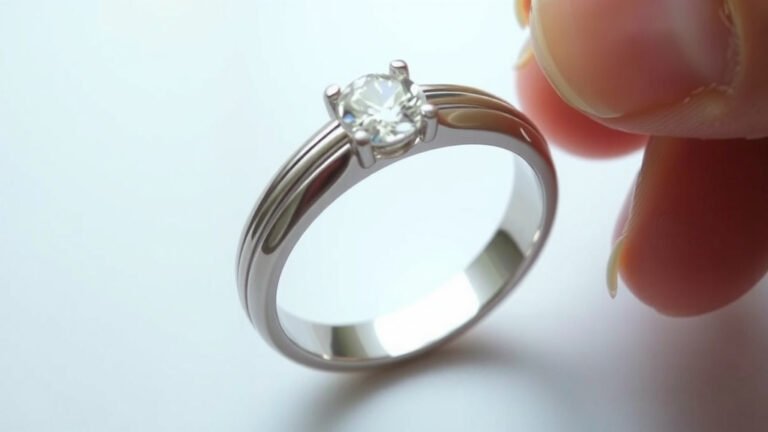
A focal stone is the main gemstone that draws the eye in a piece of jewelry. It’s typically the largest or most striking gem. Its placement is designed to be the center of attention. Think of it as the star of the show for your ring, necklace, or bracelet.
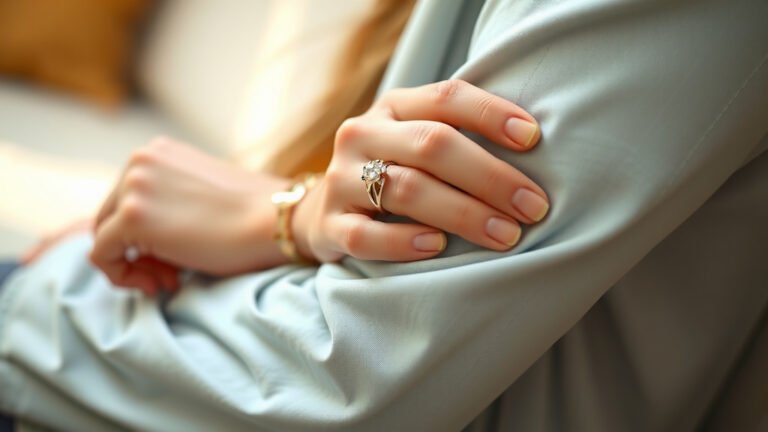
Often, the focal stone is surrounded by smaller accent stones. These can highlight its beauty or add extra sparkle. Many people choose a focal stone that has personal meaning. It’s a way to add a special touch to your jewelry. We found that gemstone choice often reflects personal style and sentiment.
- A focal stone is the main gem in jewelry.
- It’s usually the biggest or most eye-catching gem.
- Smaller stones often surround it to enhance its look.
- Choosing a focal stone can add personal meaning.
- It’s the star that makes your jewelry shine.
Now, let’s dive a little deeper into what makes a focal stone so special and how you can choose the perfect one for you.
Understanding the Role of a Focal Gemstone
So, what exactly makes a gemstone the “focal point” of a jewelry piece? Think of it like a leading actor on a stage. It’s the element that immediately captures your attention. We found that the placement and size are key factors. A focal stone is intentionally designed to be the star. It’s not just about being big, though size often plays a role. It’s also about how the gemstone is cut, its color, its sparkle, and its overall presence.
Many times, this main gem is set in a way that makes it stand out. It might be slightly raised or have a unique setting. The goal is clear: to draw your eye and hold it there. This is true whether you’re looking at a delicate pendant or a bold cocktail ring. We’ve observed that this design choice is fundamental to jewelry aesthetics.
The Power of Size and Cut
Generally, the focal stone is the largest gemstone in the piece. This physical dominance naturally makes it the most noticeable. However, size isn’t the only determinant. A smaller gem with an exceptional cut or an intensely vibrant color can also command attention. Imagine a tiny, perfectly cut sapphire that seems to hold its own light – that can easily become the focal point.
The cut of a gemstone greatly influences its ability to be a focal point. Brilliant cuts, like the round brilliant or oval cut, are designed to maximize sparkle and light reflection. This makes them inherently eye-catching. Fancy cuts, such as emerald cuts or pear shapes, can also be focal points due to their unique geometric appeal and how they play with light. We found that the way light dances within the stone is critical to its focal appeal.
Color and Clarity: Drawing the Eye
Beyond size and cut, the color of a gemstone is a powerful draw. A vivid, saturated color can instantly make a stone the center of attention. Think of a deep ruby red or a brilliant emerald green. Even a clear, colorless diamond can be a focal point if it possesses exceptional fire and brilliance. The intensity and hue of the color play a huge part in its visual impact.
Gemstone clarity also contributes. While some inclusions can add character and uniqueness, a stone with remarkable clarity will often sparkle more brightly. This enhanced sparkle can make it a natural focal point. We discovered that a stone that appears to glow from within naturally attracts the eye. This is why clarity is often a key consideration for main gems.
How Focal Stones Are Enhanced by Surrounding Gems
While the focal stone is the star, it rarely shines in isolation. Often, it’s beautifully complemented by smaller stones, known as accent stones. These aren’t just random additions; they serve a purpose. They work together to enhance the beauty and brilliance of the main gem.
Think of accent stones like a supporting cast. They help the leading actor shine even brighter. They can frame the focal stone, add extra sparkle, or provide a contrasting color. This interplay between the main gem and its surrounding stones is a classic jewelry design technique. We found that this balance is key to a harmonious piece.
Framing the Star: Halo Settings
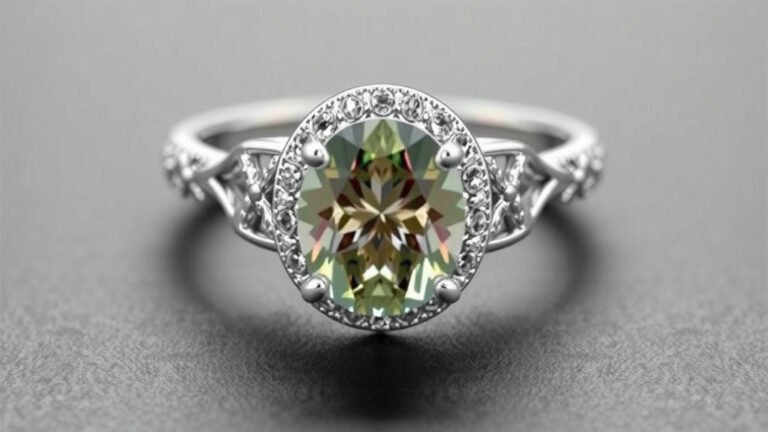
One of the most popular ways to enhance a focal stone is through a halo setting. In this design, a circle of smaller diamonds or gemstones encircles the main gem. This creates a larger visual area and amplifies the sparkle. It can also make the central stone appear larger than it actually is. In this design, a circle of smaller diamonds or gemstones encircles the main gem, a popular choice known as a halo setting.
We researched halo settings and found they are incredibly effective at drawing attention. The combined brilliance of the halo and the central stone creates a dazzling effect. This design is often chosen for engagement rings and special occasion jewelry. It’s a way to maximize impact and visual appeal.
Adding Contrast and Sparkle: Pave and Other Settings
Other settings also use smaller stones to highlight the focal gem. Pave settings, where tiny stones are set very close together, create a continuous line of sparkle. This can be used on the band of a ring or along the edge of a pendant, leading the eye towards the center.
Sometimes, accent stones are chosen for their contrasting color. For instance, a vibrant blue sapphire might be surrounded by small, bright diamonds. This contrast makes the sapphire pop even more. We observed that the right combination of colors and stones can be truly striking. It’s a careful balance of elements designed for maximum visual delight.
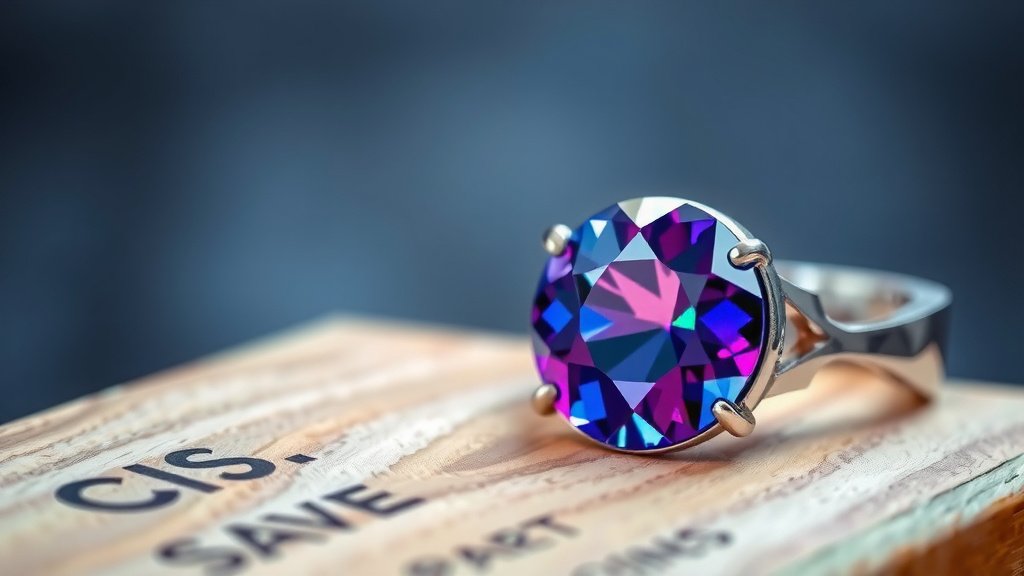
Choosing Your Perfect Focal Stone
When you’re selecting jewelry, or even designing your own, understanding the focal stone concept is helpful. It helps you appreciate the craftsmanship and the design intent behind a piece. More importantly, it guides you in choosing something that truly speaks to you.
Consider Your Personal Style
What kind of impression do you want to make? Are you drawn to classic elegance, bold statements, or subtle charm? Your personal style is the best starting point. A large, vibrant gemstone might suit someone who loves to stand out. A smaller, intricately cut stone might appeal to someone who appreciates delicate details.
We’ve found that the most cherished pieces are often those that reflect the wearer’s personality. Your choice of focal stone can say a lot about you. Don’t be afraid to go with what genuinely catches your eye and makes you feel wonderful. It’s your jewelry, after all!
Meaning and Sentiment
Beyond aesthetics, focal stones often carry deep personal meaning. Many people choose gemstones based on birthstones, or stones associated with specific intentions or qualities. For example, amethyst is often linked to calm and clarity, while rose quartz is associated with love and compassion. Many guidelines suggest birthstones as a starting point for personal connection (GIA).
We’ve seen that a focal stone can be a reminder of a special moment, a loved one, or a personal goal. This layer of sentiment adds immense depth to a piece of jewelry. It transforms it from simply an accessory into a meaningful keepsake. Think about what’s important to you and let that guide your choice.
A Checklist for Your Focal Stone Selection
Ready to find that perfect gem? Here’s a quick checklist to help you:
- What is the primary color you are drawn to?
- Do you prefer bold or understated sparkle?
- Is size an important factor for you?
- Does the gemstone need to have personal meaning?
- How will the stone fit with your existing style?
- Are you interested in accent stones to enhance the main gem?
Conclusion
You now understand that a focal stone is the undeniable star of any jewelry piece. It’s the element that designers strategically place to capture your attention. Whether it’s size, cut, or color, this gem is chosen to make a statement. Remember, accent stones play a supporting role, enhancing the main gem’s brilliance. Your personal style and any sentimental meaning are key when choosing your own focal stone. Let your chosen gem reflect your unique personality and story, making your jewelry truly yours.
Frequently Asked Questions
What’s the difference between a focal stone and an accent stone?
A focal stone is the primary, most prominent gemstone in a piece of jewelry, designed to be the main attraction. Accent stones are smaller gems that surround or complement the focal stone, adding sparkle or contrast without drawing primary attention.
Can a small gemstone be a focal stone?
Yes, absolutely! While size often plays a role, a smaller gemstone can still be the focal point if it has exceptional brilliance, a unique cut, or a striking color that commands attention. Its impact often depends on its setting and the surrounding design elements.
Does the setting affect which stone is the focal point?
Yes, the setting significantly influences how a stone is perceived. Settings that elevate the stone, like a solitaire or a prominent prong setting, naturally make it a focal point. Halo settings also draw attention to the center stone by framing it with smaller gems.
Are focal stones always the most expensive gems in a piece?
Not necessarily. While the focal stone is often the most significant in terms of size and visual impact, its cost depends on the type of gemstone, its quality, and its cut. Sometimes, a collection of smaller accent stones could collectively cost more than a single, less rare focal gem.
How do I choose a focal stone that suits my style?
Consider what kind of look you prefer. If you like bold statements, a large, vibrant stone might be perfect. For a more understated elegance, perhaps a gemstone with a subtle color or a more intricate cut would be ideal. Think about colors you’re drawn to and how they make you feel.