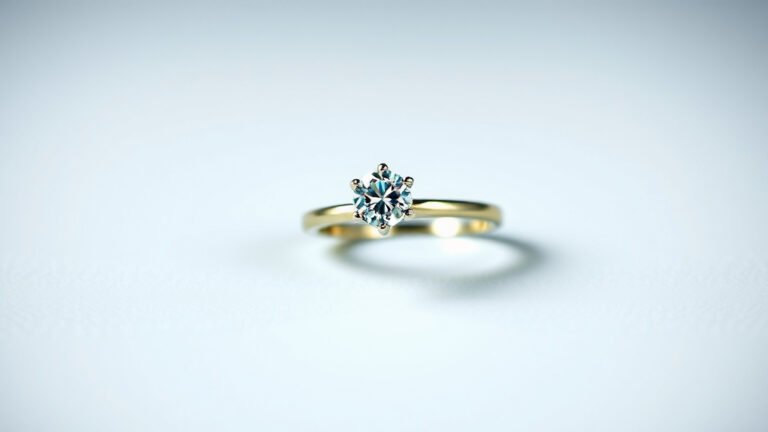
What is a Satin Finish Ring? Your Guide to This Unique Style
A satin finish ring is a type of jewelry with a smooth, matte surface that has a subtle sheen, unlike highly polished rings. It’s known for its soft glow and is a popular choice for wedding bands because it’s less reflective than a mirror finish. This finish gives rings a sophisticated yet understated look that many people adore.
Think of it as a happy medium between a shiny, mirror-like polish and a completely dull, brushed look. The satin finish catches the light gently, offering a understated elegance. Many jewelry makers achieve this look through a special brushing process, giving the metal a finely textured, velvety appearance that’s both modern and timeless.
- A satin finish ring has a smooth, matte look.
- It offers a subtle sheen, not a high polish.
- This finish is less reflective and very elegant.
- It’s often created by brushing the metal surface.
- Perfect for wedding bands and everyday wear.
Let’s dive into what makes a satin finish ring so special and how it compares to other finishes you might see! If you’re interested in the broader category of simple metal circles, our guide to what is a band ring explains their versatility.
Understanding the Satin Finish on Rings
So, what exactly is a satin finish ring? It’s a type of jewelry finish that gives the metal a smooth, matte appearance. Instead of a mirror-like shine, you get a soft, understated glow. Many people choose this finish for its sophisticated and subtle beauty. It offers a middle ground between a highly polished, bright ring and one that looks completely brushed or dulled.
What Creates the Satin Look?
The distinctive look of a satin finish is usually achieved through a mechanical process. Jewelers use fine abrasive materials to gently brush the surface of the metal. This creates very fine, parallel lines. These lines diffuse light rather than reflecting it directly. Think of it like sanding wood to make it smooth but not shiny. This subtle texturing is what gives the ring its velvety feel and gentle sheen. If you’re exploring durable metal options, a titanium ring offers a unique set of properties.
How Satin Compares to Other Finishes
It’s helpful to see how a satin finish stacks up against other popular ring finishes. Each offers a unique aesthetic and wearability. Understanding these differences can help you pick the perfect ring for your style.
Polished Finish
A polished finish is what most people think of when they picture a ring. It’s highly reflective, like a mirror. This finish makes the metal appear very bright and shiny. It can draw a lot of attention to the ring. However, it’s also more prone to showing scratches and smudges. A tiny scratch can really stand out on a mirror-like surface.
Brushed Finish
A brushed finish is even more matte than satin. It has more visible lines, giving it a distinctly textured, non-reflective look. Some might describe it as having a “worn-in” appearance from the start. It hides scratches well but lacks the soft glow that satin offers. It’s a very casual and rugged look.
Matte Finish
Matte is a general term for a non-shiny finish. Satin and brushed are both types of matte finishes. However, “matte” on its own might imply a finish with little to no sheen at all, perhaps more textured than a typical satin. It’s a broad category that includes satin.
Hammered Finish
A hammered finish involves deliberately creating small indentations on the metal’s surface with a hammer. This results in a unique, dappled texture. It’s quite distinct from the smooth, directional lines of a satin finish. It’s eye-catching and often has a more rustic or artisanal feel.
Here’s a quick comparison:
| Finish Type | Appearance | Reflection Level | Scratch Visibility |
|---|---|---|---|
| Polished | Mirror-like, bright shine | Very High | High |
| Satin | Soft, subtle glow, matte | Low | Moderate |
| Brushed | Dull, textured, non-reflective | Very Low | Low |
| Hammered | Textured with indentations | Low to Moderate | Low |
Why Choose a Satin Finish Ring?
Many people are drawn to satin finish rings for several good reasons. Its understated elegance is a major appeal. It offers a sophisticated look without being flashy. This makes it a very versatile choice for everyday wear. It doesn’t demand attention but complements your style beautifully. Plus, the way it interacts with light is truly lovely.
Durability and Wearability
One of the biggest advantages of a satin finish is how it handles daily wear. Because the surface isn’t perfectly smooth and reflective, minor scratches are less noticeable. A polished ring shows every tiny scuff mark almost immediately. With a satin finish, small imperfections tend to blend in more. This means your ring can maintain its attractive appearance for longer. Many experts suggest that textured finishes like satin offer better scratch concealment (American Gem Society).
Aesthetic Appeal
The aesthetic of a satin finish is its strong suit. It’s a modern classic. It feels contemporary yet timeless. The soft glow is flattering on any skin tone. It doesn’t glare under bright lights like a polished ring might. This makes it ideal for those who prefer subtle beauty. It’s a finish that feels refined and mature. It’s a popular choice for wedding bands precisely because it’s elegant yet understated.
Perfect for Wedding Bands
Wedding bands are worn every single day. They go through a lot of wear and tear. A satin finish is an excellent choice for these significant pieces of jewelry. It balances beauty with practicality. You get a ring that looks stunning but can also withstand the rigors of daily life. It’s a symbol of your commitment that will hold its beauty over time. Many couples find this finish to be the perfect representation of their lasting bond.
Caring for Your Satin Finish Ring
Taking care of a satin finish ring is generally quite simple. You want to preserve that lovely matte look. Harsh chemicals can dull the finish over time. Regular, gentle cleaning is usually all that’s needed.
Gentle Cleaning Routine
We recommend cleaning your ring with mild soap and warm water. Use a soft brush, like a baby toothbrush, to gently clean the surface. Rinse thoroughly with warm water. Pat it dry with a soft, lint-free cloth. Avoid abrasive cleaners or polishing compounds. These can alter the satin texture. For more stubborn dirt, consult a jeweler.
When to Seek Professional Help
If your satin finish ring loses some of its luster or develops deeper scratches, you might consider professional refinishing. A jeweler can reapply the satin finish for you. They have the tools and expertise to restore its original look. This is a service many jewelers offer to keep your rings looking their best. It’s a good way to refresh a well-loved piece.
Making the Right Choice
Choosing a ring finish is a personal decision. Consider how you want your ring to look and how you live your life. If you appreciate subtle elegance and want a ring that’s both beautiful and resilient, a satin finish might be your perfect match. It offers a sophisticated charm that’s hard to beat.
Here’s a quick checklist to help you decide:
- Do you prefer a subtle sheen over a high shine?
- Is scratch resistance a priority for your ring?
- Are you looking for a versatile finish for daily wear?
- Does an understated, elegant look appeal to you?
- Do you want a finish that feels modern yet timeless?
- Are you planning a wedding band that balances beauty and durability?
Conclusion
You’ve learned that a satin finish ring offers a beautiful balance. It provides a soft, subtle glow that’s less reflective than a mirror polish. This makes it exceptionally practical for everyday wear, as minor scratches tend to blend in. Whether you choose it for its understated elegance or its durability, a satin finish is a sophisticated choice. Consider this finish for your next ring purchase if you appreciate subtle beauty that lasts. Your perfect ring awaits!
Frequently Asked Questions
Will a satin finish ring scratch easily?
While no ring is completely scratch-proof, a satin finish is more forgiving than a high-polish finish. The fine texture diffuses light, making small scuffs and scratches less noticeable. This means your ring can maintain its attractive appearance with daily wear. It’s a great choice if you want a ring that looks good without constant worry.
How do I clean a satin finish ring?
Cleaning your satin finish ring is simple. Use a mild soap with warm water and a very soft brush, like a baby toothbrush. Gently scrub the surface to remove dirt or oils. Rinse it thoroughly and pat it dry with a soft, lint-free cloth. Always avoid harsh chemicals or abrasive cleaners, as they can damage the finish.
Can a satin finish be restored if it gets damaged?
Yes, a damaged satin finish can often be restored. If your ring develops deeper scratches or loses its luster, a professional jeweler can reapply the satin finish. They have the specialized tools to recreate that smooth, matte look. This service can make your well-loved ring look almost new again.
Is a satin finish good for men’s wedding bands?
Absolutely. Satin finishes are very popular for men’s wedding bands. They offer a sophisticated, understated look that many men prefer. The durability and ability to hide minor scratches make it practical for daily wear. It’s a finish that combines elegance with resilience, perfect for a lifelong symbol of commitment.
What’s the main difference between satin and brushed finishes?
The primary difference lies in the texture and reflectivity. A satin finish has a smoother feel and a subtle glow, created by very fine, directional lines that diffuse light gently. A brushed finish is typically more matte, with more visible, coarser lines that result in a less reflective, more textured appearance. Both are matte, but satin offers a softer sheen.