Understanding Milgrain Rings: A Definitive Guide
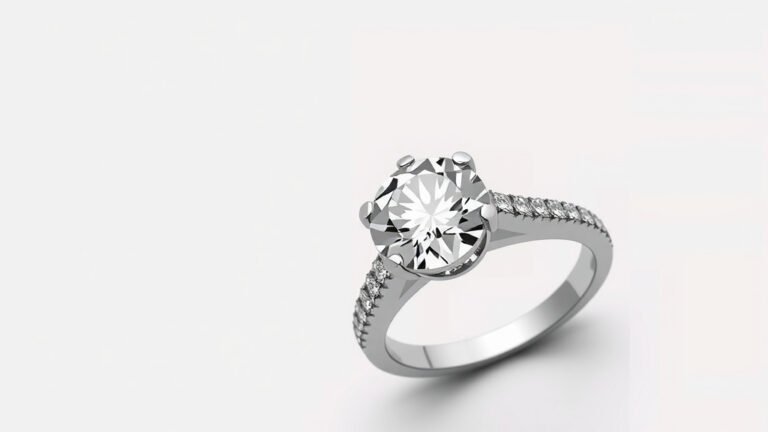
A milgrain ring is a piece of jewelry featuring a border of tiny, bead-like metal grains along its edges. This decorative detail, often seen on engagement rings and wedding bands, adds a touch of vintage charm and delicate texture. Milgrain is created by pressing tiny beads of metal close together to form a beautiful, textured line.
You’ll often find milgrain detailing on rings with gemstones, especially diamonds. It’s a popular choice for those seeking a romantic or antique-inspired aesthetic. This technique can be applied to various metals, including gold and platinum, enhancing their visual appeal and perceived value.
- Milgrain rings have a decorative border of tiny metal beads.
- This detail adds vintage charm and texture to jewelry.
- It’s commonly seen on engagement rings and wedding bands.
- Milgrain can be applied to various metals and gemstone settings.
- It’s a popular choice for those wanting an antique look.
Ready to learn more about this beautiful jewelry technique? Below, we’ll dive into the specifics of what makes a milgrain ring so special and how it’s made.
Understanding Milgrain Detailing on Rings
So, what exactly is this charming milgrain detail you’re seeing on rings? Milgrain, pronounced ‘mil-grahn,’ is a French term meaning ‘a thousand grains.’ It describes a specific type of decorative edging on jewelry. This edging is made up of tiny, closely-spaced beads. Think of it like a delicate beaded border. It’s a craft that adds a wonderful sense of vintage elegance. Many people are drawn to its romantic and classic appearance.
This technique isn’t new; it has a rich history in jewelry making. It was particularly popular during the Art Deco period. It also saw a resurgence in the Edwardian era. Today, it continues to be a beloved design element. It adds a touch of old-world craftsmanship to modern pieces. You’ll often find it on engagement rings and wedding bands. It’s also used on other jewelry like pendants and earrings. This detail can transform a simple piece into something truly special.
The Art of Creating Milgrain
Ever wondered how those tiny beads are made? The creation of milgrain involves a careful process. A specialized tool, often called a beading tool or millgrain wheel, is used. This tool has a small wheel with a pattern of beads or indentations. The jeweler gently rolls this tool along the edge of the metal. They apply consistent pressure. This creates a repeating pattern of small beads. It’s a skilled technique that requires a steady hand. The precision involved is quite remarkable.
This process can be done by hand or with specialized machinery. However, hand-engraved milgrain is often considered more desirable. It can have a slightly more organic and unique feel. Machine-made milgrain can be very uniform and precise. The choice often depends on the desired aesthetic and the jeweler’s preference. Either way, the result is a beautiful textured edge. It adds depth and visual interest to the ring.
Metals and Milgrain
Milgrain detailing can be applied to nearly any precious metal. This makes it incredibly versatile. Your jeweler can create this effect on rings made from yellow gold. White gold and rose gold also work beautifully. Platinum, known for its durability, is another excellent option. The contrast between the polished metal and the textured beads is striking. Sometimes, the milgrain beads themselves are made from a different colored metal. This creates an even more unique look. For example, a platinum ring might have milgrain edges in yellow gold.
The type of metal can influence how the milgrain appears. Softer metals might allow for more pronounced beads. Harder metals require more careful application. Regardless of the metal, milgrain adds a refined finish. It’s a subtle detail that makes a big difference. It shows attention to detail and quality craftsmanship. It’s a sure sign of a well-made piece of jewelry.
Where You’ll Find Milgrain
Milgrain is most frequently seen on engagement rings. It’s especially popular on vintage-inspired designs. Many rings featuring diamonds or other gemstones will have this detail. It can frame the center stone beautifully. It can also run along the band itself. Milgrain adds a delicate border. This can make a center diamond appear larger. It can also help to secure the gemstones. The tiny beads can act as a subtle prong setting. They hug the edges of the stones. This is often seen on pave or channel settings. Milgrain can be applied to various metals and gemstone settings, such as a bezel setting.
Milgrain on Wedding Bands
Wedding bands are another common place to spot milgrain. It adds a touch of elegance to these everyday rings. A simple band can be transformed with a milgrain edge. It brings a classic and timeless appeal. Many couples choose milgrain wedding bands to match their engagement rings. This creates a cohesive and harmonized bridal set. The texture can also provide a comfortable feel on the finger. It softens the hard edges of the metal.
Milgrain in Different Settings
You’ll see milgrain used in various jewelry settings. It’s not limited to just engagement and wedding rings. Vintage-style necklaces can feature milgrain on their pendants. Earrings with milgrain edges can add a sophisticated touch. Bracelets sometimes incorporate this beading detail. It’s a versatile embellishment. It can enhance many different types of jewelry. Its popularity spans across various styles and eras.
The Benefits of Choosing a Milgrain Ring
Why opt for a ring with milgrain detailing? For starters, it offers a distinctive aesthetic. It sets your ring apart from more contemporary styles. It brings a sense of history and romance to your jewelry. If you appreciate vintage or antique looks, milgrain is a perfect fit. It’s like wearing a small piece of history on your finger. Many experts say this detail adds character and charm that modern designs sometimes lack.
Milgrain also adds texture and dimension. A plain metal band can sometimes look a bit flat. Adding milgrain creates visual interest. It catches the light in a unique way. The tiny beads create a subtle shimmer. This enhances the overall sparkle of the ring. It’s a sophisticated detail that adds perceived value. It speaks to the artistry involved in its creation. It’s a detail that’s noticed and appreciated.
Durability and Milgrain
You might wonder if the tiny beads are fragile. Generally, milgrain is quite durable. It is created by forming the metal itself. It’s not an added component that can easily fall off. However, like any fine jewelry, it requires proper care. Very sharp impacts could potentially damage the beads. But in everyday wear, milgrain holds up well. Many people wear milgrain rings daily for years without issue. The surrounding metal settings can even offer some protection. They help to guard the milgrain edges. Consider this when choosing your everyday rings.
A Checklist for Your Milgrain Ring Search
Ready to find your perfect milgrain ring? Here’s a quick checklist to help you:
- Decide on your preferred metal (gold, platinum, etc.).
- Consider the style of milgrain: fine and delicate, or bolder beads?
- Think about where you want the milgrain placed: edges, around stones, on the band?
- Look at how the milgrain complements the center stone or design.
- Ensure the milgrain fits your personal aesthetic and desired look.
- Discuss care instructions with your jeweler for longevity.
By keeping these points in mind, you’re well on your way to finding a beautiful ring. A milgrain ring is more than just an accessory; it’s a piece of art. It carries a timeless elegance that can be cherished for a lifetime. Its intricate details tell a story of craftsmanship. It adds a special touch to any occasion.
Conclusion
You’ve now learned that a milgrain ring is defined by its charming border of tiny metal beads. This detail adds a touch of vintage elegance and unique texture to your jewelry. It’s a versatile technique that enhances rings made from various metals and settings. Whether you’re drawn to its historical roots or its ability to make gemstones pop, milgrain offers something special. When you’re ready to shop, use the checklist provided. Your perfect milgrain ring awaits – a timeless piece you’ll cherish.
Frequently Asked Questions
Is milgrain difficult to clean?
Cleaning a milgrain ring is similar to cleaning any other piece of jewelry. You can use a soft brush, warm water, and mild soap. Gently brush the milgrain details to remove any dirt or debris. Be sure to rinse thoroughly and dry with a soft cloth to maintain its shine and prevent water spots.
Can milgrain be added to an existing ring?
Yes, in many cases, a skilled jeweler can add milgrain detailing to an existing ring. This process involves carefully applying the beaded edge to the metal. It’s best to consult with a professional jeweler to assess the feasibility and cost for your specific ring design.
Does milgrain make a ring more expensive?
Rings with milgrain detailing can sometimes be slightly more expensive than plain bands. This is due to the extra labor and craftsmanship involved in creating the beaded edges. However, the added detail often contributes to the perceived value and aesthetic appeal of the ring.
How do I know if my ring has milgrain?
Look closely at the edges of your ring. You should see a delicate line of tiny, raised beads or indentations along the metal. This pattern is the signature milgrain detail. It often follows the contours of the ring’s band or frames gemstones.
Is milgrain suitable for everyday wear?
Milgrain detailing is generally quite durable for everyday wear. The beads are formed from the metal itself, making them less likely to detach. While very sharp impacts could potentially cause damage, proper care ensures that milgrain rings hold up well over time for regular use.