What is a Retro Ring? A Style Guide
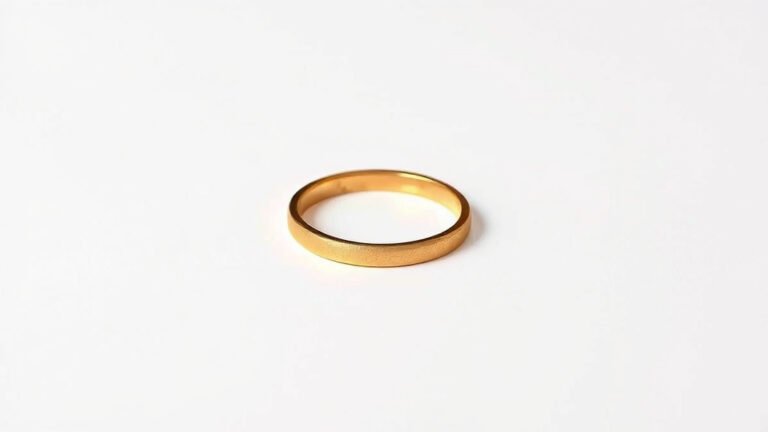
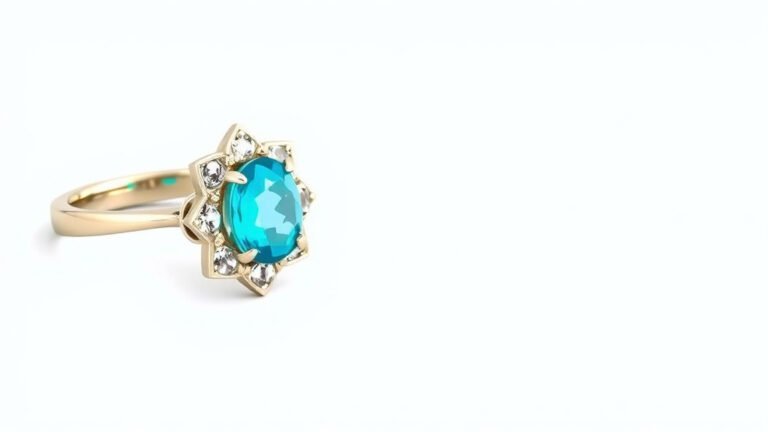
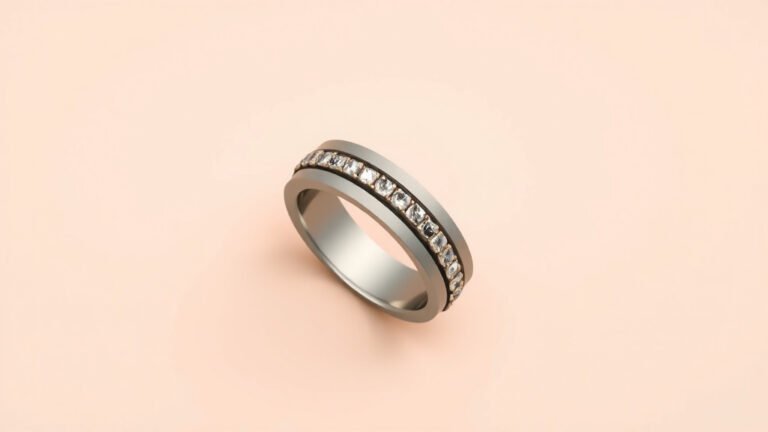
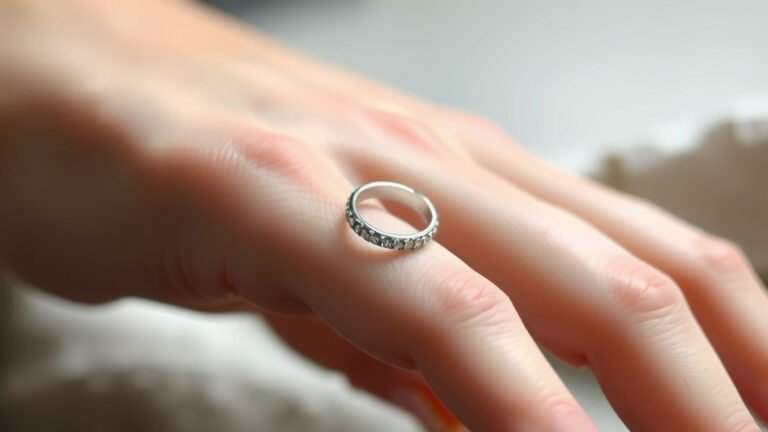
A retro ring is a piece of jewelry designed to **emulate the styles and aesthetics** of a past era. Think of it as a **fashion throwback for your finger**, often drawing inspiration from vintage periods like Art Deco, Victorian, or Mid-Century Modern. These rings capture the **unique charm and craftsmanship** of their historical counterparts.
When you see a retro ring, you’re likely noticing details like specific metalwork, gemstone cuts, or design motifs common in earlier decades. They stand out because they offer a distinct alternative to contemporary jewelry trends. Many people love them for their **storytelling quality and nostalgic appeal**.
- Retro rings borrow design elements from past eras.
- They capture the look and feel of vintage jewelry styles.
- Common inspirations include Art Deco, Victorian, and Mid-Century Modern looks.
- These rings are popular for their unique charm and historical connection.
Ready to dive deeper? We’ve gathered the key details to help you understand what makes a ring truly retro.
Understanding the Appeal of Retro Rings
So, what exactly makes a ring “retro”? It’s all about the **design inspiration**. These aren’t always antique pieces, though some might be. Often, they are modern rings created to look and feel like they’re from a specific past decade or era. Think of them as a love letter to vintage style, handcrafted for today’s wearer.
They capture the essence of a bygone time. You’ll notice details that set them apart from current trends. It’s like wearing a little piece of history on your hand.
Key Design Elements of Retro Rings
Retro rings draw their charm from distinct design characteristics. These elements are what often signal a ring’s retro status. They reflect the craftsmanship and artistic styles popular in earlier times.
Art Deco Influence (1920s-1930s)
The Art Deco period was all about bold geometry and luxury. You’ll often see symmetrical designs in retro rings inspired by this era. Think clean lines, geometric shapes like squares, rectangles, and chevrons. These often feature milgrain detailing, which is tiny beaded edging.
Common gemstones include diamonds, sapphires, and emeralds. They are usually set in platinum or white gold. The overall look is elegant and sophisticated, with a touch of glamour from the Roaring Twenties.
Victorian Charm (Mid-to-Late 19th Century)
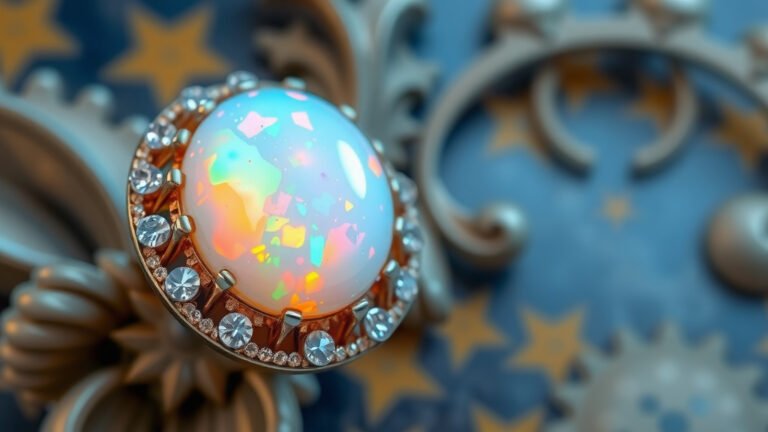
Victorian-inspired retro rings often showcase intricate metalwork and symbolic motifs. Popular themes included love, mourning, and nature. You might find detailed filigree, floral patterns, and even small engravings.
This era favored detailed craftsmanship. Gemstones like pearls, rubies, and garnets were common. Gold was a popular choice, often in warmer tones. These rings feel romantic and personal, like a secret whisper from the past.
Mid-Century Modern Flair (1940s-1960s)
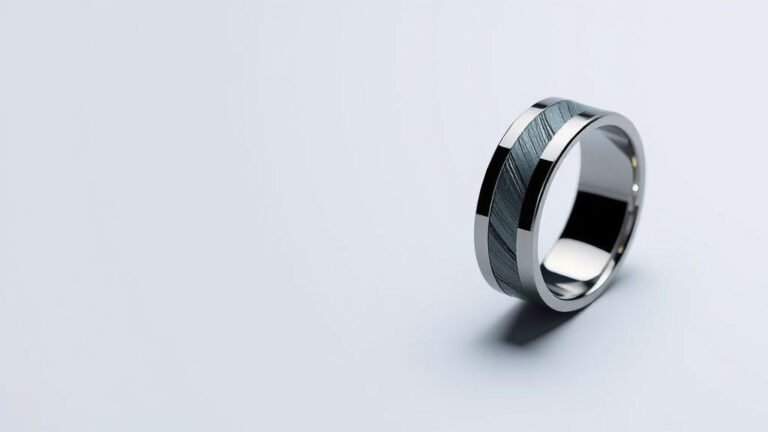
Mid-century designs are known for their boldness and unique shapes. Retro rings from this inspiration might feature abstract or sculptural elements. Think clean lines with a hint of atomic or futuristic style.
Gemstones like diamonds and colored stones, such as aquamarine or amethyst, were frequently used. Settings could be more substantial, with a focus on the overall form of the ring. These pieces have a distinctive, stylish, and often playful character.
Other Era Inspirations
While Art Deco, Victorian, and Mid-Century are common, other eras also contribute to retro ring design. You might find influences from the Edwardian era’s delicate styles or even the more ornate Baroque period.
Each era brings its own set of aesthetic rules. This variety means there’s a retro ring style to suit almost any taste. It’s like a historical fashion survey for your finger.
What Sets Retro Rings Apart?
Retro rings stand out due to their unique stylistic cues. They aren’t just old; they are designed with a specific vintage aesthetic in mind. This intentional nod to the past gives them a special character.
Craftsmanship and Detail
Many retro rings, whether vintage originals or modern reproductions, highlight superior craftsmanship. You’ll often find detailed metalwork, such as filigree, engraving, or milgrain. These small touches add a level of artistry not always seen in mass-produced contemporary jewelry.
The settings are often meticulously made. They show a dedication to detail that can make a ring feel truly special. It’s the difference between a simple band and a work of art.
Distinctive Gemstone Cuts and Settings
The way gemstones are cut and set also signals a retro style. Older cuts, like the European or Old Mine cut diamonds, have a different sparkle than modern cuts. They tend to be warmer and more subdued.
Settings like bezel or prong settings can vary greatly by era. For example, Art Deco rings might use geometric settings to highlight the stone’s shape. Victorian rings might feature elaborate claw settings.
Nostalgia and Storytelling
For many, the appeal of retro rings lies in their nostalgic charm. They connect us to a sense of history and personal stories. Owning a retro ring can feel like holding a piece of someone else’s journey.
These rings often evoke feelings of romance, elegance, or timelessness. They carry a certain gravitas that contemporary designs might lack. It’s like wearing a story on your hand.
Retro Rings vs. Vintage Rings: A Quick Look
It’s common to confuse retro and vintage rings. While related, they aren’t exactly the same. Understanding the difference helps you appreciate their unique qualities.
| Feature | Retro Ring | Vintage Ring |
|---|---|---|
| Age | Can be modern, designed to *look* old. | Must be authentically old (typically 20-100 years old). |
| Design Inspiration | Inspired by past eras. | Represents the actual style of its time. |
| Condition | Usually new, excellent condition. | May show signs of wear and age. |
| Availability | Can be found in new jewelry stores. | Found in antique shops, estate sales, specialized dealers. |
So, a modern ring designed in an Art Deco style is retro. An actual ring made in the 1930s is vintage. Both can be beautiful and hold significant appeal.
Choosing Your Retro Ring Style
When you’re looking for a retro ring, consider what era speaks to you most. Think about the shapes, styles, and stories you connect with. Do you love the geometric boldness of Art Deco?
Perhaps the romantic intricacy of the Victorian era calls to you. Or maybe the clean, stylish lines of Mid-Century Modern designs are more your speed. Your personal taste is the best guide here.
A Quick Checklist for Identifying Retro Appeal
Here’s a simple way to spot the retro vibe:
- Look for geometric patterns.
- Notice ornate or delicate metalwork.
- Check for unique gemstone cuts.
- Consider the overall design silhouette.
- Does it feel like it stepped out of a past era?
By paying attention to these details, you can better appreciate and identify rings that capture the spirit of yesteryear. Finding that perfect retro piece is a rewarding experience.
Conclusion
You’ve now explored what makes a retro ring so special. It’s more than just jewelry; it’s a wearable piece of history. These rings capture the unique spirit and design of bygone eras, from the geometric flair of Art Deco to the romantic details of the Victorian age, and the bold forms of Mid-Century Modern. Whether you prefer an authentic vintage find or a modern ring with a retro design, you’re choosing a piece with charm and a story. Ready to find yours? Start by identifying which era’s aesthetic truly speaks to your personal style and begin your search!
Frequently Asked Questions
Are retro rings always old?
No, retro rings are not always old. While they emulate vintage styles, a retro ring can be newly manufactured to look like it’s from a past era. The key is the design inspiration, not necessarily the age of the piece itself.
What are the most popular retro ring eras?
The most frequently referenced retro ring eras are Art Deco (1920s-1930s), Victorian (mid-to-late 19th century), and Mid-Century Modern (1940s-1960s). Each offers distinct design motifs and craftsmanship styles that are widely admired.
How can I tell if a ring is retro?
You can often tell a ring is retro by its distinctive design elements. Look for specific metalwork like milgrain, geometric patterns, unique gemstone cuts common in past eras, or a silhouette that clearly references vintage jewelry styles.
What’s the difference between a retro ring and a vintage ring?
A vintage ring is authentically old, typically between 20 and 100 years old. A retro ring, on the other hand, is designed *in the style* of a past era, but can be a brand-new creation. Vintage rings show their age; retro rings mimic it.
Are retro rings more expensive than modern rings?
The price of a retro ring can vary widely. While some modern retro-style rings are affordably mass-produced, others, especially those with high-quality craftsmanship or precious gemstones, can be quite costly. Authentic vintage pieces also have price points influenced by age, rarity, and condition.