How to Clean Your Silver Ring: Easy & Effective Methods
The easiest way to clean a tarnished silver ring is by using a gentle soap and water or a specialized silver cleaning cloth. You can also make a simple paste with baking soda and water for a bit more scrubbing power. These methods are quick and effective for restoring your ring’s shine without harsh chemicals. We found that regular light cleaning prevents heavy tarnish buildup.
Keeping your silver jewelry looking its best doesn’t require a trip to the jeweler. Many everyday items around your house can help. From simple kitchen staples to readily available cleaning products, you have options. We found that the key is to be gentle and avoid abrasive materials that could scratch your precious ring. Your silver deserves a little love!
- Use mild dish soap and warm water.
- Try a paste of baking soda and water.
- A silver polishing cloth works wonders.
- Store your ring properly to prevent tarnish.
Ready to make your silver ring sparkle again? Let’s walk through exactly how to achieve that beautiful shine step by step.
Restoring the Shine to Your Silver Rings
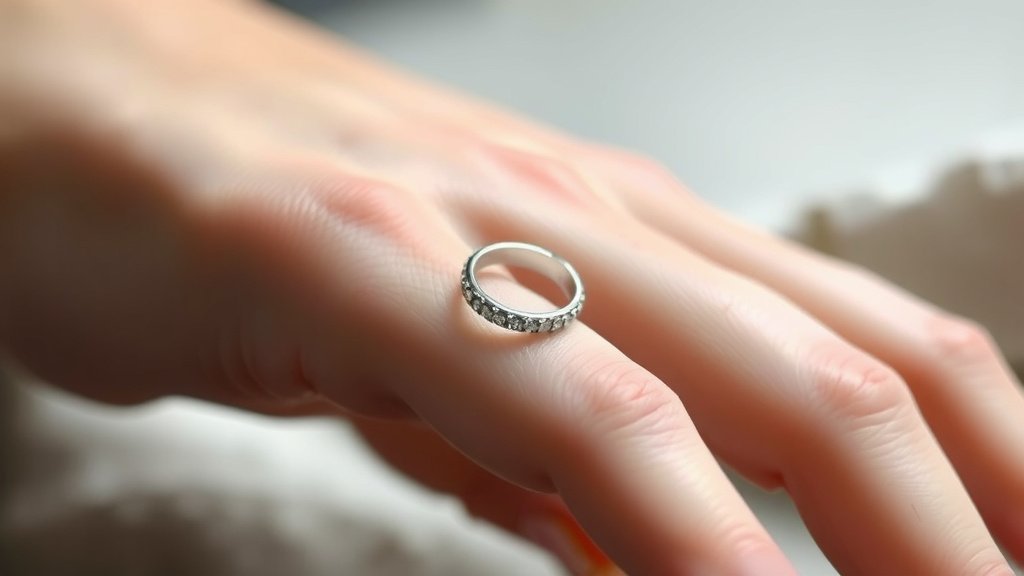
Your silver ring likely lost its sparkle over time. Tarnish is a natural process for silver. It happens when silver reacts with sulfur in the air. This creates a dull, dark layer on the surface. Don’t worry; cleaning it is usually quite straightforward. We found that a few simple household items can bring back its brilliant shine.
Gentle Cleaning Methods for Everyday Shine
For regular upkeep and light tarnish, simple methods work best. You want to avoid anything too harsh. Harsh chemicals can damage your ring, especially if it has gemstones or intricate details. We found that a gentle touch is key to preserving your jewelry.
The Power of Soap and Water
This is often the easiest and safest first step. Mild dish soap is excellent for removing oils and dirt that dull your ring. Warm water helps to loosen grime. You’ll need a soft cloth for drying and polishing.
What You’ll Need
- Mild dish soap
- Warm water
- A soft, lint-free cloth (like microfiber)
Step-by-Step Guide
- Fill a small bowl with warm water.
- Add a drop or two of mild dish soap.
- Stir gently to mix.
- Submerge your silver ring in the soapy water.
- Let it soak for a few minutes. This helps loosen dirt.
- Gently rub the ring with your fingers or a very soft brush. Focus on any tarnished areas.
- Rinse the ring thoroughly under cool running water. Make sure all soap is gone.
- Pat your ring dry with a soft, lint-free cloth.
- Buff the ring with a clean, dry part of the cloth. You should see a shine emerge.
We found this method is perfect for daily wear rings. It’s quick and effective. It won’t remove heavy tarnish, but it keeps things looking fresh.
The Baking Soda Paste Method
When soap and water aren’t enough, a baking soda paste can offer more scrubbing power. Baking soda is a mild abrasive. It can gently lift away tarnish without scratching, when used correctly. We found that this is a popular DIY solution.
What You’ll Need
- Baking soda
- Water
- A small bowl
- A soft cloth or soft toothbrush
How to Make and Use the Paste
- In your small bowl, mix baking soda with just enough water to form a thick paste. It should be like toothpaste consistency.
- Apply a small amount of the paste to your silver ring.
- Gently rub the paste over the tarnished areas with your fingers or a soft toothbrush. Work in small, circular motions.
- Be sure not to scrub too hard. You don’t want to scratch the silver.
- Rinse the ring thoroughly under cool running water. Ensure all paste residue is removed.
- Dry your ring completely with a soft cloth.
- Buff gently to restore its shine.
This paste can be very effective for more noticeable tarnish. However, many experts advise caution with porous gemstones like pearls or opals, as the paste can affect their finish (GIA).
Using a Silver Polishing Cloth
Silver polishing cloths are designed specifically for this purpose. They contain a special cleaning solution and polishing agents embedded in the fabric. They are an excellent tool for maintaining your silver.
How They Work
These cloths work by gently removing tarnish as you rub. They also leave a protective layer that helps slow down future tarnishing. We found that they are very convenient and portable.
Getting the Best Results
- Use the cloth dry. Do not wet it.
- Gently rub the tarnished areas of your ring. Use firm, back-and-forth strokes.
- As the cloth darkens, you’re seeing the tarnish being removed.
- Continue polishing until the desired shine is achieved.
- Avoid using the cloth on gemstones. They can be scratched or damaged by the polishing agents.
A good quality silver polishing cloth can last for a long time. Just keep it clean and dry. It’s a simple way to keep your silver looking its best.
When to Choose Specialized Silver Cleaners
For very heavy or stubborn tarnish, you might consider commercial silver cleaning solutions or dips. These products are generally more potent than household remedies. We found that they can be very effective but require careful use.
Understanding Silver Dips
Silver dips use stronger chemicals to dissolve tarnish quickly. You typically dip your ring for a very short period. They work fast, but they can also remove the protective patina that gives antique silver its character. Also, they can be harsh on certain gemstones and alloys. Many sources suggest avoiding dips for delicate or valuable pieces (Jeweler’s Association).
Using Silver Cleaning Lotions and Pastes
These are usually less aggressive than dips. They often work similarly to the baking soda paste but with stronger cleaning agents. Follow the product instructions precisely. Always test on an inconspicuous area first if possible.
Important Precautions for Silver Jewelry Care
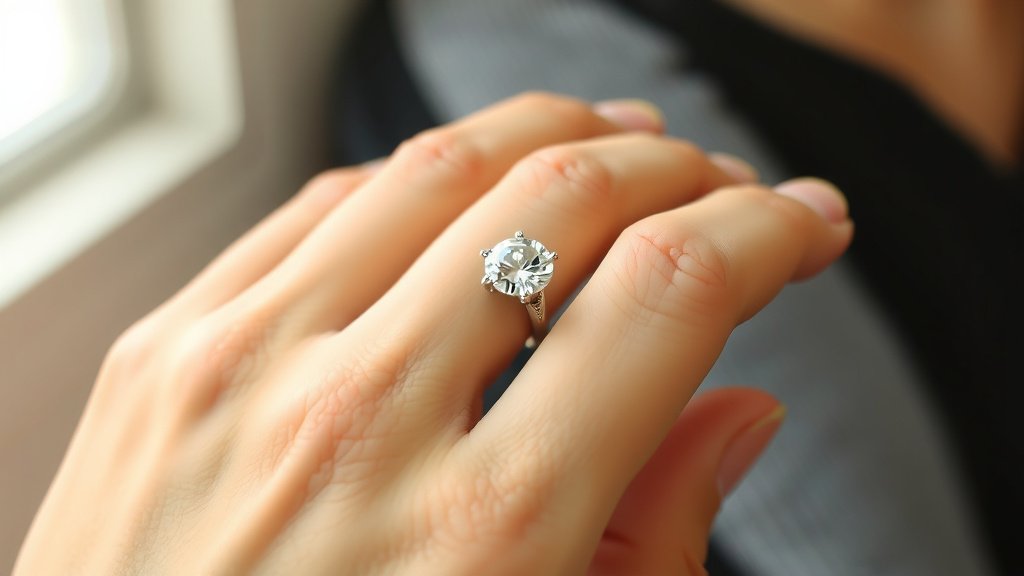
While cleaning is important, so is preventing tarnish in the first place. A little preventative care goes a long way. We found that simple habits can make a big difference in how often you need to clean your ring.
What to Avoid
- Harsh chemicals: Avoid bleach, ammonia, and acetone. They can damage silver and any gemstones.
- Abrasive cleaners and scrubbers: Steel wool or abrasive pads will scratch your ring.
- Exposing silver to certain substances: Sulfur is the main culprit. This is found in some foods (like eggs and mayonnaise) and even in some rubber materials.
- Chlorine: Avoid wearing silver in swimming pools or hot tubs. Chlorine can cause significant damage.
Storage for Longevity
Proper storage is one of the best ways to prevent tarnish. After cleaning and drying your ring, store it properly.
Consider these storage tips:
- Tarnish-resistant bags: These are specially lined bags that help prevent air from reaching your silver.
- Soft pouches: Individual pouches prevent rings from scratching each other.
- Airtight containers: Small plastic containers with a tight-fitting lid can also work well.
- Anti-tarnish strips: Place these strips in your jewelry box to absorb sulfur compounds.
Many jewelry experts recommend storing silver items separately. This prevents them from rubbing against each other, which can cause scratches. We found that keeping your silver in a cool, dry place is also beneficial.
Quick Checklist for Sparkling Silver Rings
Here’s a quick rundown to keep your silver ring shining bright:
- Always start with the gentlest method first (soap and water).
- Use soft cloths; never use paper towels or rough fabrics.
- Test stronger cleaners on a small area if unsure.
- Rinse thoroughly after cleaning to remove all residue.
- Dry your ring completely before storing or wearing.
- Store your silver in an airtight environment to slow tarnish.
Conclusion
You’ve now learned how to bring back the sparkle to your favorite silver rings. Remember, the key is gentle care. Start with simple methods like soap and water or a polishing cloth for everyday shine. For tougher tarnish, a baking soda paste can work wonders, but always proceed with caution. Proper storage is your best defense against future tarnish. By following these steps, you can ensure your silver jewelry remains beautiful for years to come. Now, go ahead and give your ring the shine it deserves!
Frequently Asked Questions
Can I use toothpaste to clean my silver ring?
While toothpaste is often suggested as a DIY cleaner, it’s generally not recommended for silver. Many toothpastes contain abrasives that can scratch the delicate surface of your ring. We found that gentler methods like mild soap and water or a baking soda paste are safer and more effective alternatives.
How often should I clean my silver ring?
The frequency of cleaning depends on how often you wear your ring and where you live. For rings worn daily, a quick wipe with a polishing cloth or a gentle wash with soap and water every few weeks can maintain shine. If you notice tarnish starting to appear, it’s time for a more thorough cleaning.
Will cleaning damage my silver ring if it has gemstones?
You must be careful when cleaning silver rings with gemstones. Harsh chemicals and abrasive cleaners can damage delicate stones like pearls, opals, or turquoise. Always use the gentlest method possible, like mild soap and water, and avoid soaking rings with porous or treated gemstones.
Why does my silver ring tarnish so quickly?
Silver tarnishes when it reacts with sulfur compounds in the air. Factors like humidity, pollution, and even certain cosmetics or perfumes can speed up this process. Wearing your ring regularly and exposing it to substances like chlorine or rubber can also contribute to faster tarnishing.
Is it safe to use commercial silver dips?
Commercial silver dips can be very effective for heavy tarnish, but they should be used with extreme caution. These solutions often contain strong chemicals that can strip away antique patina or damage certain gemstones. We found that they are best reserved for situations where other methods fail and for pieces that are not particularly delicate or valuable.