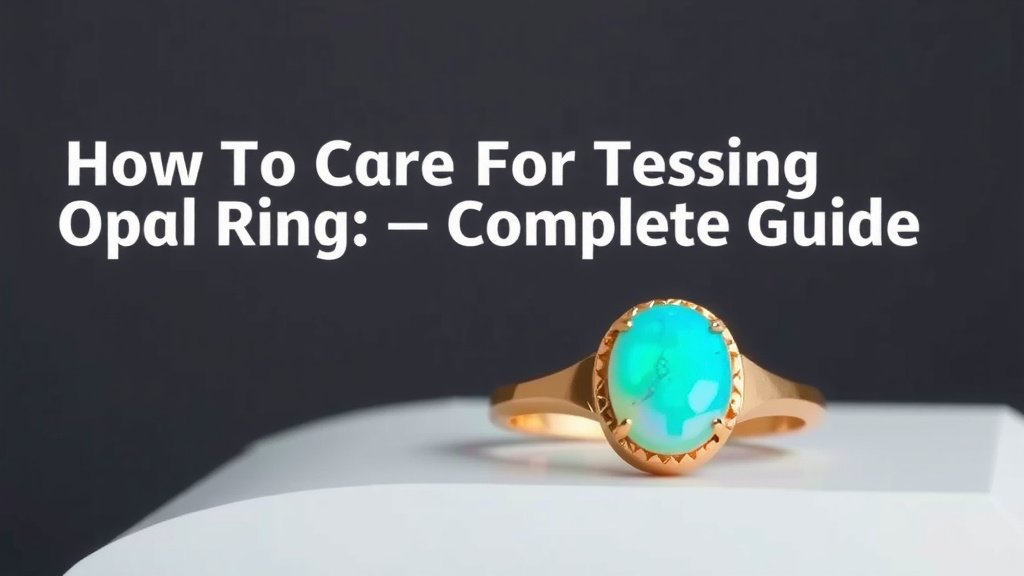
How to Care for an Opal Ring: A Complete Guide
Caring for an opal ring comes down to three things: keep it gentle cleaning only, keep it away from heat and harsh chemicals, and store it somewhere safe with a little moisture. Opals are softer and more delicate than most gemstones, so a little extra care goes a long way.
Here’s the thing: opals contain water, which makes them prone to cracking if they dry out or take a hard knock. That’s why your opal needs different treatment than a diamond or sapphire. We researched what jewelers and gem experts recommend, and the good news is that daily care is simple once you know the rules.
- Clean your opal with mild soap, lukewarm water, and a soft cloth.
- Never use ultrasonic cleaners, steam, or harsh chemicals.
- Remove your ring before chores, workouts, and swimming.
- Store it in a soft pouch, away from other jewelry.
- Avoid direct heat and very dry places, which can dry the stone out.
Below, we walk you through exactly how to clean, wear, and store your opal ring step by step, so it stays beautiful for years to come.
Cleaning Your Opal Ring the Right Way
The safest way to clean an opal ring is with mild dish soap, lukewarm water, and a soft cloth. That’s it. No fancy products, no scrubbing pads, no shortcuts.
Here’s how we found the process works best, step by step:
- Fill a small bowl with lukewarm water and a drop of gentle dish soap.
- Soak your ring for a few minutes to loosen dirt.
- Gently wipe the stone with a soft microfiber cloth or your fingertips.
- Rinse with clean lukewarm water.
- Pat dry with a soft towel — never rub hard.
Sounds easy, right? It is. The trick is knowing what not to do, which we’ll cover next.
Why Ultrasonic Cleaners Are a Hard No
Ultrasonic cleaners use sound waves and vibration to blast dirt off jewelry. Great for diamonds. Terrible for opals.
Opals contain water inside their structure. The vibration and heat from these machines can cause crazing — those tiny spiderweb cracks that ruin a stone’s surface. Many jewelers warn that one cycle in an ultrasonic cleaner can permanently damage an opal (Gemological Institute of America guidance on opal care).
Skip steam cleaners too. Heat plus moisture plus pressure is a bad combo for this stone.
What to Avoid When Cleaning
Some everyday products seem harmless but can dull or damage your opal. Watch out for these:
| Product or Tool | Why It’s a Problem |
|---|---|
| Bleach or ammonia | Harsh chemicals can discolor and dry out the stone |
| Vinegar or lemon juice | Acids can etch the opal’s surface over time |
| Toothpaste | Abrasive particles scratch the soft stone |
| Stiff brushes | Scratches the polished surface |
| Hot water | Sudden temperature changes can cause cracks |
Think of your opal like a bar of fine soap. Anything rough, hot, or acidic will wear it down faster than you’d like.
Everyday Habits That Protect Your Opal
The biggest threats to an opal ring aren’t dramatic — they’re everyday moments. Dishwater, gym gloves, garden soil. Your ring doesn’t need to live in a vault, but it does need smart timing.
We found that most opal damage happens during routine activities, not special occasions. Here’s a quick checklist to run through before you leave the house (or start the dishes):
- Take your ring off before washing dishes or cleaning.
- Remove it before gardening, workouts, or lifting anything heavy.
- Leave it in a safe spot before swimming — pool chlorine is harsh.
- Put it on after applying lotion, perfume, and hairspray.
- Check the prongs occasionally to make sure the stone sits snugly. Wondering how those little claws hold your stone? Our guide to the prong setting explains how they work.
A good rule of thumb: if your hands might touch something hot, wet, or rough, the ring comes off first.
Can You Wear an Opal Ring Every Day?
Yes, you can — with a few adjustments. Opals rank about 5.5 to 6.5 on the Mohs hardness scale, which makes them softer than quartz (the main ingredient in everyday dust). That means even a stroll down a dusty street can slowly scratch the surface.
Many experts say opals work well as occasional-wear or careful daily-wear rings. If your lifestyle involves lots of hands-on work, consider wearing your opal on days when you’re less active. Or choose a protective setting like a bezel, which wraps metal around the stone’s edge.
Water, Heat, and Sunlight: The Fine Line
Here’s where opals get a little quirky. They need some moisture, but direct heat and bone-dry air can pull water out of the stone and cause cracking.
Everyday Heat Sources to Watch
- Hot kitchens, ovens, and dishwashers
- Direct sunlight through a car window
- Saunas, hot tubs, and heated pools
- Hair dryers aimed at your hands
- Heated jewelry displays or sunny windowsills
Short exposure isn’t a disaster. The risk comes from repeated or sudden temperature swings. Think of it like glass — a slow warm-up is fine, but a quick shock can crack it.
Does an Opal Need to “Drink” Water?
You may have heard that you should soak opals in water occasionally. There’s some debate here. Many gem experts say solid opals are fine without soaking, since they were formed with water locked inside (GIA gem notes on opal structure).
One common exception: doublets and triplets. These are opal slices layered with other materials and glued together. Soaking them can weaken the glue and cause the layers to separate. If you’re not sure which type you have, ask your jeweler before soaking anything.
Storing Your Opal Ring Between Wears
Proper storage does more for an opal’s lifespan than any cleaning routine. The goal is simple: keep it safe from scratches and away from extreme dryness.
Your best options:
- A soft fabric pouch, closed and kept in a drawer
- A fabric-lined jewelry box with its own compartment
- Away from harder gems like diamonds, which scratch opals easily
Live somewhere very dry, like Arizona or Nevada? Some jewelers suggest storing the ring with a slightly damp cotton pad nearby — just not touching the stone directly. This keeps the air around it from getting too arid.
Traveling With an Opal Ring
Travel adds risk. Temperature swings in car trunks and airplane cargo areas can be brutal on opals. Keep the ring in your carry-on, in its padded pouch, inside a hard-sided case if you have one.
And resist the urge to toss it loose in your bag. One zipper scratch and you’ll be kicking yourself on the beach.
When to See a Professional Jeweler
Some jobs are best left to the pros. We found that an annual check-up catches problems early — loose prongs, worn settings, or surface damage you might not notice.
Book a visit if you notice any of these:
- The stone wiggles or clicks when tapped gently
- A prong looks bent, thin, or lifted
- Fine cracks or dull patches appear on the surface
- The ring catches on fabric more than it used to
Many jewelers offer free inspections, especially if you bought the ring from them. It costs you five minutes and saves you the heartbreak of a lost stone.
Conclusion
An opal ring doesn’t ask for much — just a soft cloth, some lukewarm water, and a little common sense. Keep it away from ultrasonic cleaners, harsh chemicals, and sudden heat. Store it in its own soft pouch, away from harder gems. Take it off before the dishes, the gym, or the garden, and give it a quick professional check-up once a year. We found that these small habits make the difference between an opal that dulls in a year and one that glows for decades. Your next step? Tonight, give your opal a gentle soap-and-water cleaning and find it a dedicated spot in your jewelry box. That five-minute routine is the easiest insurance you’ll ever buy.
Frequently Asked Questions
Can I shower with my opal ring on?
It’s best to take it off. Soap scum can build up on the stone and dull its surface, and sudden hot water isn’t great for opals either. Ten seconds of removing your ring saves you a lot of polishing later.
How often should I clean my opal ring?
A quick wipe with a soft cloth after wearing it keeps oils and lotion from building up. Give it a full soap-and-water cleaning every few weeks, or whenever it starts looking cloudy. Gentle and often beats deep and aggressive every time. Not sure what schedule suits your wear habits? Our guide to how often to clean a ring covers the timing.
Why is my opal ring turning cloudy or dull?
Usually it’s a buildup of hand cream, soap film, or tiny surface scratches rather than damage to the stone itself. Try a gentle cleaning first with mild soap and lukewarm water. If the dullness sticks around, a jeweler can polish the surface back to life.
Can I use jewelry polishing cloths on an opal?
Only the soft, untreated kind. Many polishing cloths are treated with chemicals or mild abrasives made for metals, which can scratch or dull an opal’s surface. Stick with a plain microfiber cloth for the stone, and use treated cloths on the band only.
What should I do if I accidentally cracked my opal?
Stop wearing it right away so the crack doesn’t catch on something and worsen. Take it to a reputable jeweler for an assessment — they can tell you whether the stone is stable or needs resetting or replacing. Don’t try glue or home fixes, as they usually make professional repair harder.