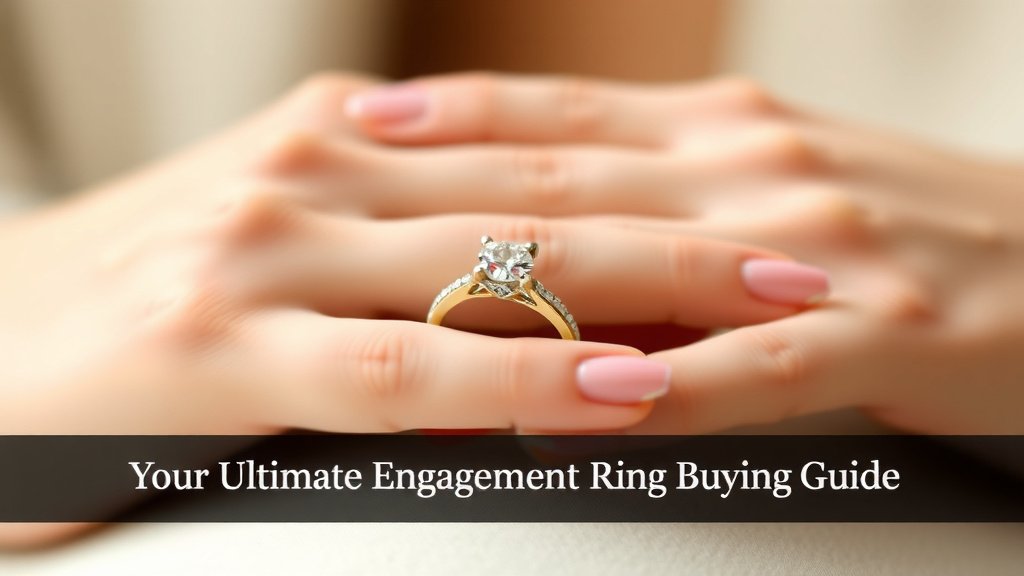
Your Ultimate Engagement Ring Buying Guide
Buying an engagement ring can feel like a huge decision. Don’t worry, we’ve got you covered! Finding the perfect engagement ring is about understanding a few key things, primarily focusing on the 4 Cs: cut, color, clarity, and carat weight. These factors will help you determine both the beauty and the value of the diamond.
It’s more than just picking a pretty stone. We found that considering your partner’s personal style is just as important as the technical specs. Think about their existing jewelry and their general aesthetic. This guide will help you navigate the options, from setting styles to metal choices, ensuring you make a choice you’ll both cherish.
- Understand the 4 Cs: cut, color, clarity, carat.
- Match the ring to your partner’s style.
- Choose the right metal (gold, platinum).
- Consider different setting types (solitaire, halo).
- Set a realistic budget.
Let’s walk through exactly what goes into choosing a stunning engagement ring that fits your budget and your love story.
Your Guide to Choosing a Diamond Engagement Ring
So, you’re ready to pop the question! That’s fantastic news. Picking the perfect engagement ring can feel a bit daunting, but think of it as a fun treasure hunt. We’re here to help you navigate the process smoothly, ensuring you find a ring that shines as brightly as your love.
The Four Cs: The Diamond’s DNA
The 4 Cs are the universal language for describing a diamond’s quality and beauty. Understanding them is your first big step. They determine both how the diamond looks and its overall worth. Mastering these will make you feel confident in your choice.
1. Cut: The Sparkle Factor
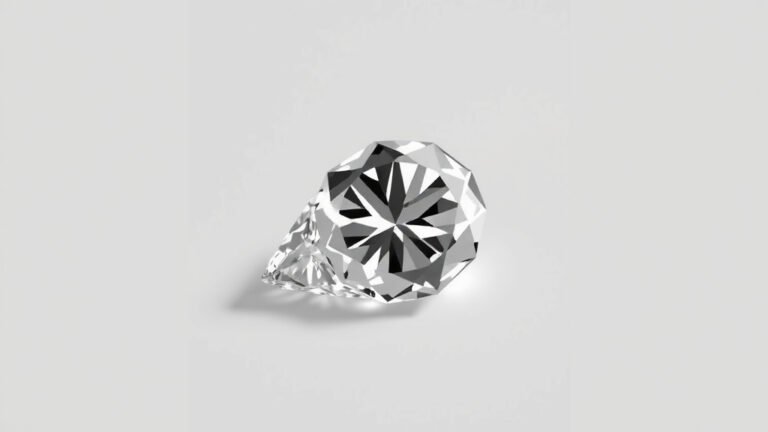
Ever wondered why some diamonds just seem to sparkle more than others? That’s often down to the cut. A diamond’s cut refers to its proportions, symmetry, and polish. It’s not about the shape (like round or princess), but how well the diamond is shaped.
A well-cut diamond allows light to enter and reflect back beautifully. This creates that dazzling brilliance you see. Poorly cut diamonds can look dull or lifeless. We found that many jewelers consider the cut the most important C for sparkle. Aim for grades like Excellent or Very Good for the best light performance.
2. Color: Beyond Clear
When we talk about diamond color, we’re actually looking for the absence of color. The less color a diamond has, the rarer and more valuable it typically is. Diamonds are graded on a scale from D (completely colorless) to Z (light yellow or brown).
For most people, the difference between nearby grades is nearly impossible to see. Many experts suggest looking at grades in the G to J range. These diamonds appear colorless to the naked eye but can save you a bit of money. It’s a smart way to get great beauty without the premium price tag.
3. Clarity: Inside and Out
Clarity refers to any natural imperfections within a diamond, called inclusions, or on its surface, called blemishes. Think of them like tiny birthmarks. The fewer and smaller these marks, the higher the clarity grade and the more valuable the diamond.
The clarity scale ranges from Flawless (no visible imperfections) to Included (obvious flaws). For most engagement rings, we found that a grade of SI1 or SI2 (Slightly Included) is often the sweet spot. These diamonds can appear eye-clean, meaning you won’t see any flaws without a jeweler’s loupe. It’s a budget-friendly choice that still offers beautiful clarity.
4. Carat Weight: The Size Matters (Sort Of!)
Carat weight is simply the diamond’s size, measured in carats. One carat is equal to 200 milligrams. It’s easy to think bigger is always better, but carat weight alone doesn’t tell the whole story.
A larger diamond might appear less brilliant if its cut is poor. Also, prices jump significantly at certain “magic” sizes like 1.00 carat. You might find a diamond that’s just under a full carat, like 0.90 or 0.95 carats, offers a similar visual size for a better price. We found that strategic carat weight choices can maximize your budget beautifully.
Beyond the 4 Cs: Other Important Factors
While the 4 Cs are your diamond’s foundation, other elements contribute to the ring’s overall appeal and your partner’s happiness. Don’t overlook these!
Metal Choices: The Ring’s Foundation
The metal you choose for the band impacts the ring’s look, durability, and cost. The most popular options are gold and platinum.
Gold: Classic and Versatile
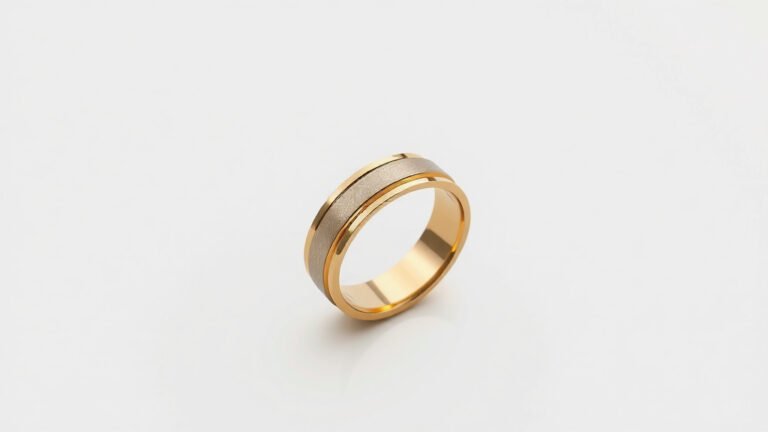
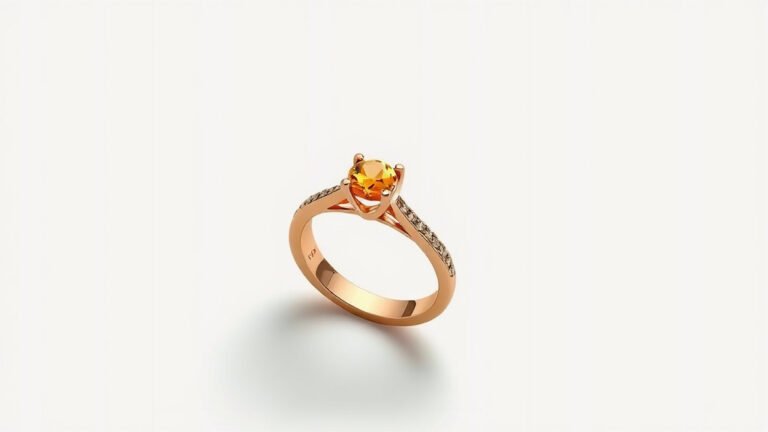
Gold engagement rings come in different colors: yellow, white, and rose gold. Yellow gold is traditional and warm. White gold is plated with rhodium for a bright, silvery finish. Rose gold has a romantic, pinkish hue.
Gold is measured in karats (K), indicating its purity. 14K gold is 58.3% pure gold, and 18K is 75% pure gold. Lower karat gold is more durable but less pure. Many jewelry guidelines suggest 14K or 18K for engagement rings.
Platinum: Durable and Hypoallergenic
Platinum is a naturally white metal known for its superior durability and weight. It’s also naturally hypoallergenic, making it a great choice for sensitive skin. Platinum is typically used in its purest form (95%) for jewelry.
While platinum is more expensive than gold, its durability means it can last a lifetime with minimal wear. We found that platinum bands resist scratches better than gold.
Setting Styles: Framing Your Diamond
The setting holds the diamond in place and significantly affects the ring’s overall design. It can make a diamond appear larger or add extra sparkle. Here are some popular choices:
Solitaire: Timeless Elegance
A solitaire setting features a single diamond. It’s a classic choice that puts all the focus on the center stone. Simple, elegant, and always in style.
Halo: Extra Sparkle
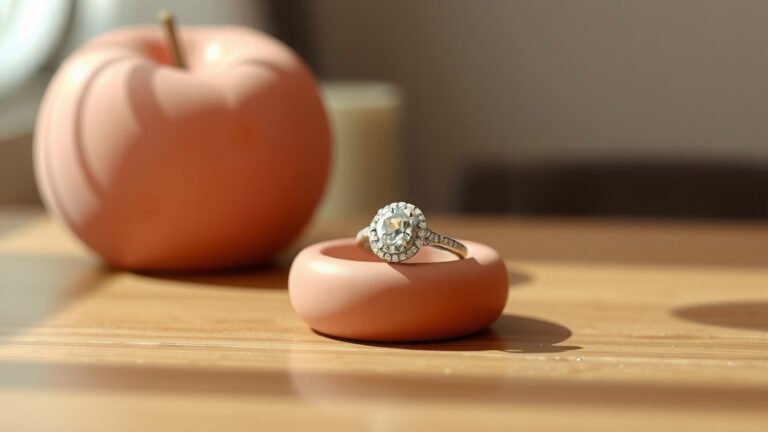
A halo setting surrounds the center diamond with a circle of smaller diamonds. This makes the center stone look larger and adds significant brilliance. It’s a dazzling option for those who love sparkle.
Three-Stone: A Symbolic Choice
This setting features a center diamond flanked by two smaller diamonds. Each stone can represent your past, present, and future together. It offers beautiful symmetry and sparkle.
Your Partner’s Style: The Ultimate Guide
This is perhaps the most important part! What does your partner actually like? Think about their current jewelry. Do they prefer delicate and minimalist pieces or bold and statement styles? Observing their taste is your best research.
Do they wear a lot of yellow gold, or do they lean towards silver-toned metals? Do they have a favorite gemstone that isn’t a diamond? These clues will guide you toward a ring they’ll love to wear every day. Many stylists say matching the ring to their personal aesthetic is key to them loving it.
Budgeting for Your Ring
Setting a realistic budget is essential. Engagement rings can range widely in price. Think about what you can comfortably afford without causing financial stress. Remember, the thought and love behind the gift are what truly matter.
Don’t feel pressured by old traditions or what others might spend. Focus on finding the best ring within your means. Many jewelers offer financing options if needed. We found that being upfront about your budget helps jewelers guide you to the best options.
Checklist for Your Engagement Ring Purchase
- Talk to friends or family about your partner’s style preferences.
- Observe the jewelry your partner wears daily.
- Research the 4 Cs: Cut, Color, Clarity, and Carat.
- Consider the metal type and color.
- Explore different setting styles.
- Set a clear budget before you start shopping.
Conclusion
You’re now equipped to find a truly special engagement ring. Remember, the 4 Cs (cut, color, clarity, carat) are your diamond’s blueprint for beauty and value. Balancing these with your partner’s unique style, your chosen metal, and the setting will lead you to the perfect symbol of your love. Don’t forget to set a budget you’re comfortable with; the most important thing is the commitment you’re making.
Take a deep breath, trust your instincts, and enjoy this exciting journey. Your next step? Start observing your partner’s style and perhaps have a casual chat with a trusted jeweler to see your options.
Frequently Asked Questions
What’s the most important of the 4 Cs?
Many experts consider the diamond’s cut to be the most important C for overall sparkle. A well-cut diamond reflects light beautifully, creating brilliance and fire. While the other Cs affect size and appearance, the cut truly makes the diamond shine.
How much should I realistically spend on an engagement ring?
There’s no single “right” amount to spend. Focus on a budget that you can comfortably afford without causing financial strain. We found that setting a realistic budget upfront helps jewelers guide you to the best options within your means. Setting a realistic budget upfront helps jewelers guide you to the best options within your means.
Is platinum or gold better for an engagement ring?
Both are excellent choices, but they offer different benefits. Platinum is naturally white, incredibly durable, and hypoallergenic, though more expensive. Gold (yellow, white, or rose) is also durable and comes in various colors, with 14K or 18K being popular for engagement rings.
Can I choose a diamond shape other than round?
Absolutely! While round brilliant is the most popular, many other beautiful diamond shapes exist, such as princess, oval, emerald, and pear. Your choice of shape often depends on your partner’s personal style and preference.
What does “eye-clean” mean for diamond clarity?
An “eye-clean” diamond means that any inclusions or blemishes are not visible to the naked eye. You would need a jeweler’s loupe to see them. Grades like SI1 or SI2 often achieve this and offer a great balance of clarity and affordability.