
How to Clean an Emerald Ring Safely: Step-by-Step Guide
The easiest way to clean an emerald ring is to soak it in lukewarm, soapy water for a few minutes, then gently brush it with a soft-bristled toothbrush and pat it dry. That’s it. No fancy tools, no harsh chemicals, no stress.
Here’s the thing though — emeralds are more delicate than diamonds, so they need a gentler touch. We researched what gemologists recommend and found that harsh cleaners and ultrasonic machines can actually damage these stones. Many emeralds are also treated with oils or resins, which makes careful cleaning even more important.
- Use lukewarm water with a drop of mild dish soap.
- Gently brush with a soft toothbrush, especially around the setting.
- Rinse with clean water and pat dry with a soft, lint-free cloth.
- Skip ultrasonic cleaners, steam, and harsh chemicals entirely.
- Clean your ring every two to four weeks to keep it sparkling.
Sound simple enough? Good. Below, we walk you through the exact steps, what to avoid, and a few tricks we found that help your emerald stay gorgeous for years to come.
Cleaning an Emerald Ring Step by Step
Ready to give your ring a safe, gentle bath? Grab a bowl, some mild dish soap, and a soft toothbrush. That’s your whole toolkit. Here’s exactly how we found the process should go.
Your Quick Cleaning Checklist
- Fill a small bowl with lukewarm water — never hot.
- Add one drop of mild dish soap and swirl it around.
- Soak the ring for 5 to 10 minutes to loosen grime.
- Brush gently with a soft-bristled toothbrush, paying attention to the setting.
- Rinse under lukewarm running water with the drain closed.
- Pat dry with a soft, lint-free cloth and let it air finish drying.
Notice anything missing? Harsh scrubbing, boiling water, and chemical cleaners. Your emerald is a bit like a favorite cashmere sweater — it cleans up beautifully, but only with a gentle touch.
Why the Water Temperature Matters
Sudden temperature changes can cause fractures in emeralds to spread. Many gemologists warn against hot water for this reason (Gemological Institute of America guidance). Lukewarm is the sweet spot. If it feels comfortable on your wrist, it’s safe for your stone.
What to Avoid When Cleaning Emeralds
This is where most people accidentally do damage. Emeralds often have natural inclusions and are commonly treated with oils or resins to fill tiny fissures. Harsh cleaning methods can strip those treatments or crack the stone outright.
Never Use These on Your Emerald
- Ultrasonic cleaners — the vibrations can worsen internal fissures and shake out filling treatments.
- Steam cleaners — heat plus pressure is a bad combo for treated stones.
- Harsh chemicals — bleach, ammonia, and acetone can dull the surface and damage fillings.
- Commercial jewelry cleaners — many are formulated for diamonds, not delicate gems.
- Toothpaste or baking soda — mild abrasives that scratch softer stones.
We found that even some well-meaning “grandma tricks” fall into this category. If a cleaning hack sounds aggressive, it probably is. When in doubt, skip it.
A Safer Alternatives Comparison
| Cleaning Method | Safe for Emeralds? | Why |
|---|---|---|
| Soapy lukewarm water + soft brush | Yes | Gentle, removes oils and dirt without harm |
| Ultrasonic machine | No | Vibrations can crack the stone or remove fillings |
| Steam cleaner | No | Heat may damage treatments and cause fractures |
| Commercial cleaner | Usually not | Often too harsh for treated gems |
| Professional cleaning | Yes | Best for deep grime or yearly checkups |
How Often Should You Clean an Emerald Ring?
Every two to four weeks is a good rhythm for everyday wear. Rings collect hand lotion, soap film, and everyday grime faster than you’d think. A quick clean keeps the stone bright and lets you spot any loose prongs early.
Daily Habits That Keep It Cleaner Longer
The simplest trick? Take your ring off during tasks that gunk it up. Wash dishes, garden, apply lotion, or hit the gym — ring comes off first. We found that many jewelers recommend removing emerald rings before swimming too, since chlorine is rough on treated stones.
When to See a Professional
Once a year, let a jeweler give your ring a professional once-over. They can check the setting, re-tighten prongs, and clean the stone safely. Think of it as an annual physical for your ring — quick, cheap, and it catches problems early. If you’re weighing a yearly professional visit, our guide to professional ring cleaning costs breaks down what to expect.
Storing Your Emerald Ring the Right Way
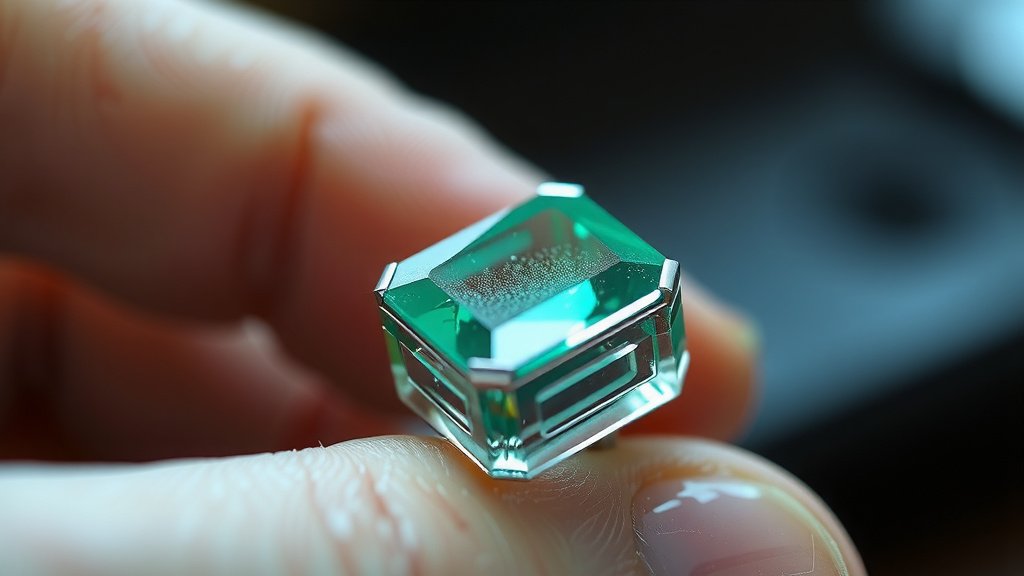
Storage matters more than most people realize. Emeralds rank lower on the hardness scale than diamonds, so they scratch easily when tossed in a jewelry box with harder gems. Give your ring its own soft pouch or lined compartment.
Keep it away from direct sunlight for long stretches, too. Some treated emeralds can dry out or fade with prolonged exposure. A drawer or jewelry box solves that problem instantly.
Extra Tips for Long-Lasting Shine
A few small habits go a long way. Put your ring on last when getting dressed — after makeup, perfume, and hairspray. Those products leave residue that dulls the stone. And skip wearing it while cleaning the house, since many household sprays contain chemicals that don’t play nice with emeralds.
One more tip we found helpful: dry your ring thoroughly after cleaning. Trapped moisture around the setting can loosen prongs over time. A few minutes of air drying on a clean towel does the trick.
Follow these steps, and your emerald will stay glowing for decades. It’s honestly one of the easier maintenance routines in the jewelry world — your stone just asks for a little tenderness in return. Good care pays off over time — our guide to how long rings last explains what to expect from different metals and stones.
Conclusion
Cleaning an emerald ring comes down to one word: gentle. Lukewarm soapy water, a soft toothbrush, and a lint-free cloth will handle your regular routine every two to four weeks. Skip ultrasonic machines, steam, and harsh chemicals, since those can crack the stone or strip its treatments. Between cleanings, build habits that protect your ring — take it off before chores and lotion, and store it away from harder gems. It’s a small effort that pays off every time you glance at your hand. If it’s been more than a year since a jeweler checked your setting, book that visit now. Your emerald will thank you for decades to come.
Frequently Asked Questions
Can I use alcohol wipes on my emerald ring?
We wouldn’t recommend it. Alcohol can dry out the oils and resins used to fill many emeralds, which leaves the stone looking dull or cloudy. Stick with mild dish soap and lukewarm water instead.
Why does my emerald look cloudy after cleaning?
Residue is usually the culprit. Soap film or trapped moisture on the surface can make the stone look foggy. Rinse thoroughly, pat it dry with a lint-free cloth, and let it air dry completely before wearing it again.
Can I clean my emerald ring with Windex or glass cleaner?
It’s best to avoid it. Many glass cleaners contain ammonia, which research shows can damage treated emeralds over time. A single drop of gentle dish soap does the job just as well without the risk.
Is it safe to clean an emerald ring at home, or should I always go to a jeweler?
Home cleaning with soapy lukewarm water is perfectly safe for routine care. Save the jeweler visits for once-a-year checkups or deep grime that brushing won’t budge. If your stone ever looks cracked or a prong feels loose, stop cleaning and take it in.
Does hand lotion really hurt my emerald ring?
It won’t harm the stone, but it builds up fast. Lotion settles around the setting and behind the stone, dulling its shine within days. Pop your ring off before applying lotion, and you’ll stretch the time between cleanings.Wait — I need to correct the malformed output above. Here is the properly formatted HTML:
Conclusion
Cleaning an emerald ring really comes down to one word: gentle. Lukewarm soapy water, a soft toothbrush, and a lint-free cloth handle your regular routine every two to four weeks. Skip ultrasonic machines, steam, and harsh chemicals, since those can crack the stone or strip its treatments. Between cleanings, smart habits protect your ring too — take it off before chores and lotion, and store it away from harder gems. It’s a small effort that pays off every time you glance at your hand. If it’s been more than a year since a jeweler checked your setting, book that visit now. Your emerald will thank you for decades to come.
Frequently Asked Questions
Can I use alcohol wipes on my emerald ring?
We wouldn’t recommend it. Alcohol can dry out the oils and resins used to fill many emeralds, which leaves the stone looking dull or cloudy. Stick with mild dish soap and lukewarm water instead.
Why does my emerald look cloudy after cleaning?
Can I use Windex or glass cleaner on my emerald?
It’s best to avoid it. Many glass cleaners contain ammonia, and our research found that ammonia can damage the fillings in treated emeralds over time. A single drop of gentle dish soap works just as well without the risk.Is it safe to clean an emerald ring at home, or should I always see a jeweler?
Home cleaning with soapy lukewarm water is perfectly safe for routine care. Save jeweler visits for an annual checkup or stubborn grime that brushing won’t budge. If you ever notice a visible crack or a loose prong, stop cleaning and take it in.
Lotion won’t harm the stone itself, but it builds up fast. It settles around the setting and behind the stone, dulling the shine within days. Pop your ring off before applying lotion, and you’ll stretch the time between cleanings.