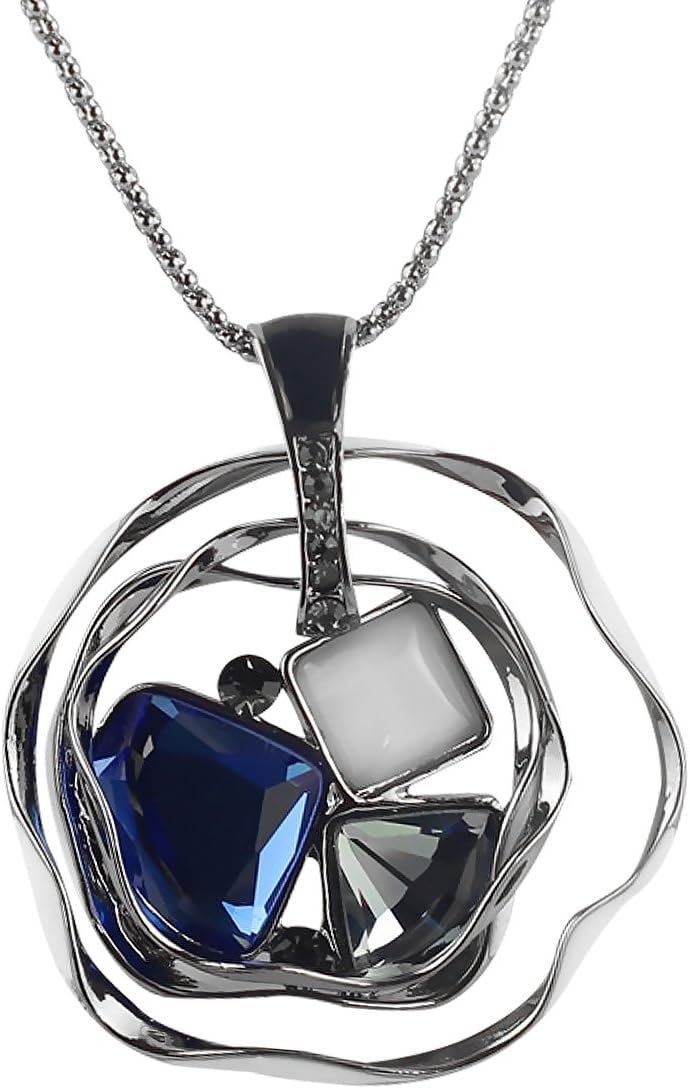
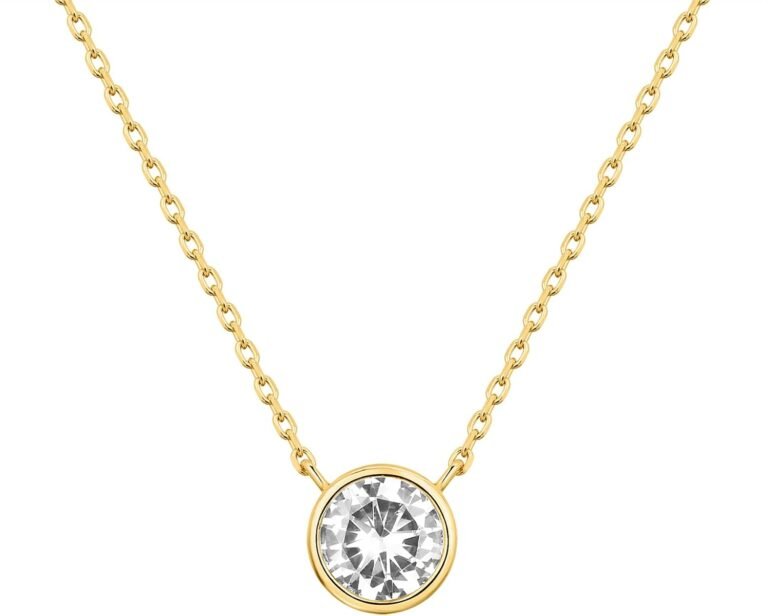
How to Layer a Diamond Pendant Necklace
The easiest way to layer a diamond pendant necklace is to start with a shorter chain (16-18 inches) and pair it with a longer one (20-24 inches) that has a slightly different texture or thickness. This creates a balanced, stylish look without tangling. Layering diamond pendants is all about mixing lengths and letting each piece shine on its own.
We found that the key to a great layered look is choosing the right chain styles and avoiding pieces that compete for attention. Whether you’re dressing up for a night out or adding sparkle to a casual tee, the right combination makes all the difference. Mixing metals and chain textures adds depth, while keeping the pendants at different heights ensures they don’t clash or get tangled.
- Rule of thumb: Stick to two or three necklaces max to keep it elegant.
- Length matters: Aim for a 2-inch difference between each chain for perfect spacing.
- Texture contrast: Pair a delicate cable chain with a chunky curb or box chain.
- Pendant size: Keep one pendant small and one larger for a curated, intentional look.
- Metal mixing: Yellow gold, white gold, and rose gold can absolutely be worn together.
Below, we break down the simple steps to help you master this look, including how to avoid knots and which pieces work best together. Let’s walk through exactly how to style your diamond pendants like a pro.
Mastering the Art of Layered Diamond Pendants
You have a gorgeous diamond pendant, but it feels lonely on its own. We get it. Layering adds dimension and personality to any outfit. The trick is making it look effortless, not accidental.
We found that starting with the right foundation is key. You want your diamonds to catch the light at different points. This creates a beautiful, cascading sparkle that draws the eye upward.
Why Layering Works So Well
Layering is about telling a story. Each piece can represent a memory or a milestone. When you combine them thoughtfully, you create a unique look that is completely you.
It also solves a practical problem. A single short necklace can get lost in a high neckline. Layering lets you adapt your jewelry to any outfit, from turtlenecks to scoop necks.
The Golden Rule of Three
Stick to two or three necklaces maximum. More than that can look cluttered. It can also be heavy on your neck. We found that three is the sweet spot for a balanced, curated look.
Think of it like a good outfit. You have a base, a middle layer, and a statement piece. Your necklaces should work the same way.
Selecting the Perfect Chain Combinations
Before you start draping chains, you need to pick the right players. The chain style matters just as much as the pendant. You want contrast, not competition.
Many stylists agree that mixing textures is the secret sauce. A delicate rope chain paired with a chunky link looks intentional. It adds visual interest without trying too hard.
Mixing Textures and Thicknesses
Don’t wear two chains that look identical. If they are the same style and thickness, they will tangle and look like a mistake. Variety is your friend here.
- Pair a fine cable chain with a bold curb link.
- Combine a smooth box chain with a textured rope chain.
- Mix a simple solitaire with a diamond tennis necklace.
Understanding Chain Lengths
Length is the most critical factor. You need a clear gap between each necklace. We recommend a difference of at least two inches between each chain. This prevents them from bunching up together.
Here is a simple breakdown of common lengths and where they sit on your body:
| Chain Length | Placement | Best For |
|---|---|---|
| 16 inches | Sits at the collarbone | A choker-style base layer |
| 18 inches | Just below the collarbone | The most common solo length |
| 20 inches | Hits the upper chest | A great middle layer |
| 24 inches | Sits at the sternum | A dramatic bottom layer |
| 30+ inches | Longer than the bust line | Statement or evening wear |
Building Your Layered Look Step by Step
Now that you have your chains picked out, it is time to put them on. There is a method to the madness. Start with your longest piece and work your way up to the shortest.
We found that this order helps the chains fall naturally. It also makes it easier to clasp them without tangling. Here is the simple process we recommend.
Step 1: Start with the Longest Chain
Put on your longest necklace first. This is your foundation piece. It should be the one with the larger pendant if you have one. This creates a strong anchor for the rest of the look.
Let it rest naturally against your chest. Don’t adjust it too much yet. You want it to settle into a natural position.
Step 2: Add the Middle Layer
Next, add your middle-length chain. This one should have a slightly different texture than the first. This contrast is what makes the layering look professional.
Fasten it and give it a gentle tug. Make sure it sits about two inches higher than your first chain. If it is too close, you risk tangling.
Step 3: Finish with the Shortest Chain
Finally, add your shortest chain. This is usually the focal point. It could be a delicate pendant with a single diamond or a simple diamond tennis necklace.
This top layer should sit right at or just above your collarbone. It frames your face and adds a pop of sparkle near your neckline.
Styling Your Pendants for Different Occasions
Your layered look can change based on where you are going. A casual brunch calls for a different vibe than a formal gala. The good news? You can adapt your layers easily.
We found that thinking about the neckline of your outfit helps. You want your necklaces to complement the clothes, not fight with them.
Casual Daytime Looks
For a simple tee or a button-down shirt, keep it light. Pair a 16-inch pendant with an 18-inch chain. Choose delicate pieces that add a hint of shine without being flashy.
Mix your diamond pendant with a simple gold chain. This adds a touch of luxury to a relaxed outfit. It looks like you put in effort, even when you didn’t.
Office and Professional Attire
At work, you want to look polished and put-together. Stick to two layers to keep it clean. Use a classic solitaire pendant as your focal point.
Keep the metal colors consistent for a more formal look. All yellow gold or all white gold reads as more professional. It shows attention to detail.
Evening and Formal Events
This is where you can go bigger. Use three layers with bolder chains. A diamond tennis necklace layered over a longer pendant is a stunning combo.
Don’t be afraid of longer lengths. A 24-inch chain with a diamond pendant adds drama to a low-cut neckline. It draws the eye down and creates a beautiful silhouette.
Preventing Tangles and Knots
Tangled necklaces are the worst. We have all been there, wrestling with a knot for ten minutes. It is frustrating and can even damage your delicate chains.
Luckily, there are a few tricks to keep your layers smooth. It starts with the types of chains you choose. Some chains are simply more prone to tangling than others.
Choosing Tangle-Resistant Chains
We found that certain chain styles are better for layering. Box chains and snake chains are the most tangle-resistant. They are smooth and don’t have gaps that catch on each other.
Rope chains and cable chains tangle more easily. They have more texture. If you love these styles, be prepared to untangle them occasionally.
Quick Fixes for Knots
If you do get a knot, don’t yank at it. That only makes it tighter. Instead, lay the necklaces flat on a table.
Use a fine needle or a pin to gently tease the knot apart. Work slowly and patiently. A little bit of baby powder can help lubricate the chains and make them slip apart easier.
Choosing the Right Pendant Sizes
The size of your pendants matters for balance. You don’t want two giant diamonds competing for attention. You also don’t want two tiny specks that get lost.
Think about creating a focal point. One pendant should be the star of the show. The others should support it.
Balancing Proportions
Pair a larger, statement pendant with smaller, delicate ones. This creates a visual hierarchy. The eye knows where to look first.
Alternatively, use one diamond pendant and one plain chain. This lets the diamond truly shine. The plain chain acts as a supporting actor to your leading lady.
Mixing Metals with Confidence
Gone are the days when you had to stick to one metal. Mixing yellow gold, white gold, and rose gold is totally on-trend. It adds a modern, curated feel to your jewelry.
Many jewelers now design pieces with mixed metals in mind. If you are unsure, start with two metals. Yellow and white gold is a classic combination.
Creating a Cohesive Mixed-Metal Look
Use one metal as your base. For example, wear a yellow gold chain as your main piece. Then add a white gold chain as your secondary layer.
This gives you a cohesive look while still being playful. It is a great way to wear all your favorite pieces, regardless of their metal color.
Your Final Layering Checklist
You are almost ready to master this look. We put together a quick checklist to run through before you head out the door. Use this to ensure your layers look perfect.
- Check the lengths: Ensure there is a 2-inch difference between chains.
- Verify the textures: Mix a delicate chain with a chunkier one.
- Confirm the focus: Make sure one pendant is the clear focal point.
- Assess the neckline: Ensure your layers complement your outfit’s neckline.
- Test for tangles: Move around a bit to see if the chains stay put.
- Trust your eye: Step back and look in the mirror. If it feels right, it looks right.
Conclusion
Layering diamond pendants is simpler than you think. Start with a long chain, add a middle piece, and finish with a short focal point near your collarbone. Keep a two-inch gap between each layer and mix textures for visual interest.
You don’t need a jewelry expert to nail this look. Pick two or three pieces you love, check the lengths, and trust your reflection. Your style is personal, so wear what makes you feel confident.
Try your first layered combo tonight. Pull out your favorite diamond pendant, grab a second chain with a different texture, and put them on. You will see how easy it is to create a polished, custom look in under a minute.
Frequently Asked Questions
Can you layer a diamond pendant with a plain chain?
Yes, absolutely. A plain gold or silver chain works perfectly as a supporting layer. It lets your diamond pendant stand out without competing for attention. This combo is elegant, understated, and easy to wear daily.
What is the best way to store layered necklaces to prevent tangling?
Store each necklace separately in a jewelry box with individual slots or small pouches. You can also use a jewelry stand and hang them side by side. Keep them apart before wearing, and you will avoid most knots.
How many diamond pendants should you layer at once?
We recommend sticking to two or three pendants maximum. More than that can look busy and weigh down your neck. Three is the sweet spot for a balanced, curated appearance that still feels lightweight.
Can you layer a diamond pendant with a pearl necklace?
Yes, mixing diamonds with pearls creates a classic, elegant look. Choose a delicate diamond pendant and pair it with a simple pearl strand. Keep the lengths different so both pieces get their own space to shine.
Should your diamond pendants match in metal color?
No, mixing metals is completely on-trend and looks intentional. Yellow gold, white gold, and rose gold can all work together beautifully. Start with two metals if you are unsure, and add a third once you feel confident.