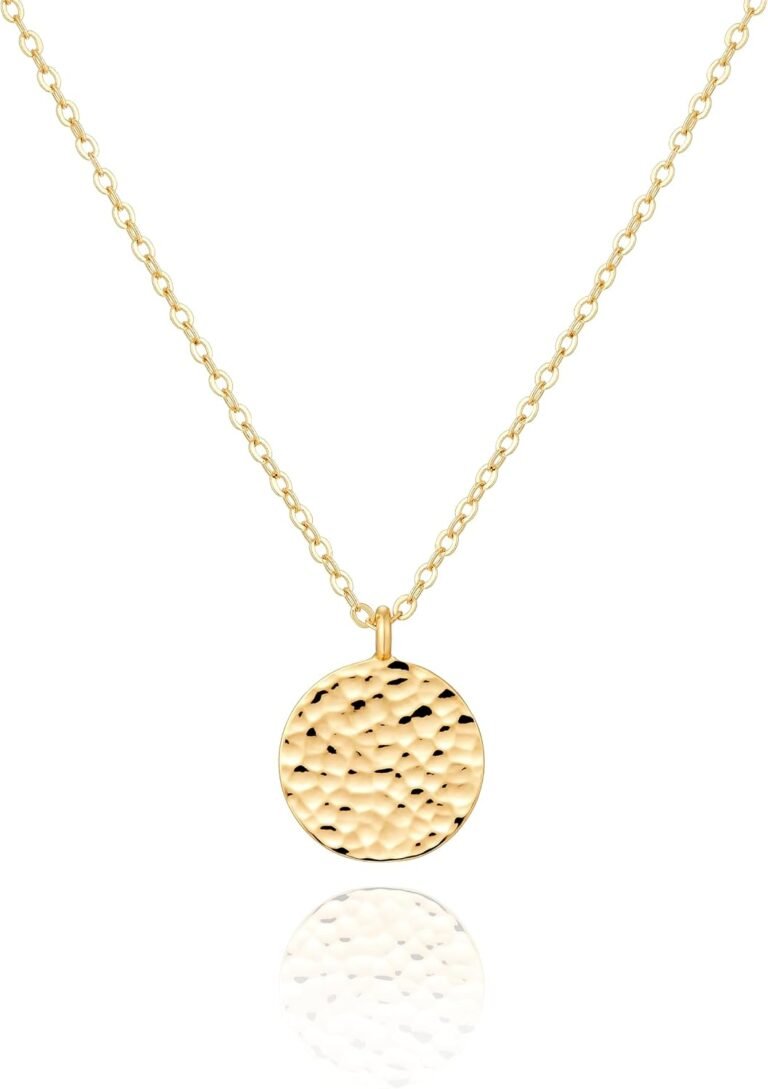
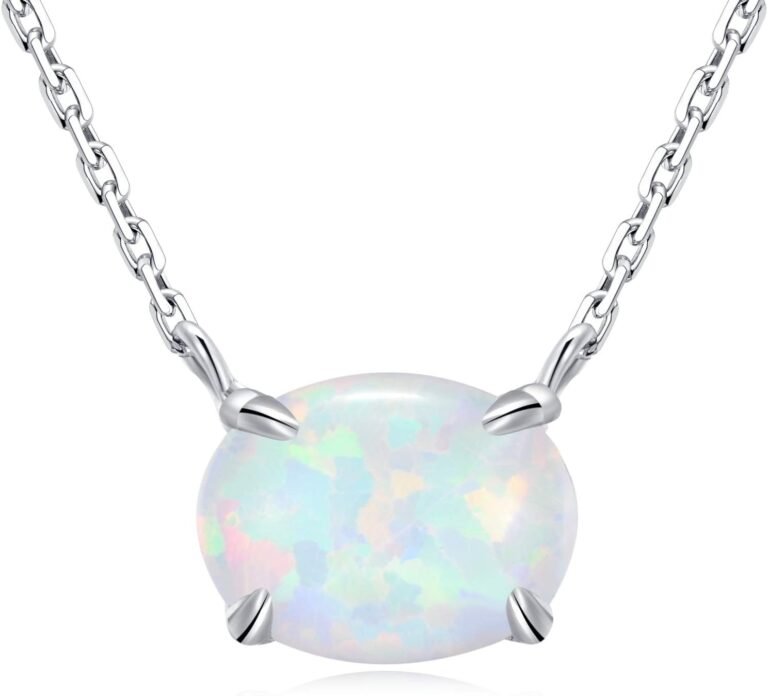
How to Layer a Necklace With a Pendant
The best way to layer a necklace with a pendant is to start with a short choker or chain at the top, then add your pendant necklace as the second or third layer so it sits at your collarbone or just below. This creates a balanced, stylish look without tangling. You want to mix lengths and keep the pendant as the focal point of your stack.
Layering necklaces is a fun way to add personality to any outfit. But when a pendant is involved, you have to be a bit more careful. The goal is to make your favorite piece stand out, not get lost in a jumble of chains. We found that choosing the right chain lengths and textures makes all the difference, and it is easier than you think to get a professional look at home.
- Rule of thumb: Mix at least two different chain lengths to prevent tangling.
- Keep it simple: Limit your stack to two or three necklaces so the pendant stays the star.
- Consider the pendant size: Bigger pendants need simpler chains, while delicate pendants pair well with chunky ones.
- Use a lobster clasp extender: This simple tool lets you adjust lengths and makes putting them on a breeze.
- Prioritize comfort: Always layer with lightweight chains so the stack feels as good as it looks.
Below, we break down exactly how to layer your necklaces with a pendant, from choosing the right pieces to avoiding that tangled mess. Let’s walk through it step by step so you can confidently style your jewelry every day.
Layering Your Pendant Necklace the Right Way
You want your pendant to shine, not hide. The secret is building your stack around it. Start with a simple base chain and let the pendant take center stage. This method works for any style, from dainty gold pieces to bold statement pendants. For a broader take on styling pendants, our guide on how men can wear pendant necklaces covers the basics.
We found that most people overthink this. You only need two or three chains. One should be shorter, one longer, and your pendant sits right in the middle. That is the whole trick.
Why Length Matters More Than You Think
Chain length controls the whole look. Too close together and they bunch up. Too far apart and the stack feels disconnected. The sweet spot is a difference of about 2 to 3 inches between each layer.
Think of it like a staircase for your neckline. Each step leads the eye down to your pendant. That is what creates a polished, intentional look.
Picking Your Base Layer
Your base layer is the shortest chain. It should sit right at the base of your neck, like a choker. A simple cable chain or a delicate snake chain works best. Keep it plain so it does not fight with your pendant.
We recommend a 14 to 16 inch length for this bottom layer. It acts as a frame. It also keeps the whole stack visually grounded.
Positioning the Pendant Layer
Your pendant necklace is the star. It should sit at your collarbone or just below. That usually means an 18 to 20 inch chain. This length is flattering on most body types and keeps the pendant visible.
If your pendant is small, go shorter. If it is large, let it hang a bit lower. The goal is to have it rest naturally against your chest without getting lost in your shirt.
Choosing Necklaces That Work Together
Texture is your best friend here. Mixing different chain styles adds depth. A chunky curb chain paired with a fine rope chain looks intentional. Two identical chains look like a mistake.
We found that mixing metals is totally fine. Gold and silver can live together. The key is to keep the pendant as the unifying piece. If your pendant is gold, add at least one other gold chain to tie it all together.
The Role of Chain Thickness
Thickness creates balance. If your pendant is bold and heavy, use thinner chains around it. This gives the pendant room to breathe. If your pendant is tiny and delicate, a thicker chain adds contrast and makes the small piece feel more substantial.
Many stylists suggest a simple ratio. One chain should be fine, one medium, and one bold. That mix covers all bases and looks good with any outfit.
Matching Pendant Size to Chain Style
Big pendants need simple chains. A heavy chain plus a big pendant can look clunky. A smooth, thin chain lets a large stone or coin pendant stand out.
Small pendants can handle more texture. Try a beaded chain or a rope chain. The added detail gives the tiny pendant more presence.
How to Prevent Tangling for Good
Tangled necklaces are the worst. We found that a few simple habits stop this before it starts. The biggest trick is to put your necklaces on in the right order. Always clasp the shortest chain first. Then the next longest. Finish with your pendant necklace last.
This keeps the chains from crossing over each other. It also lets the pendant sit on top of the stack, not underneath it.
Using a Clasp Extender for Easy Layering
A lobster clasp extender is a game changer. It is a small chain that attaches to the end of your necklace. It gives you extra length options in seconds. You can adjust each piece to sit exactly where you want it.
These tools are cheap and easy to find. Many experts say they are the simplest fix for necklace layering issues. Just clip the extender onto your necklace and adjust the length.
Quick Tips for Untangling Fast
Even with the best plan, tangles happen. Do not yank or pull hard. Lay the necklaces flat on a table. Use a pin or a toothpick to gently work out the knots. Patience is key here.
You can also apply a tiny drop of baby oil to the knot. This helps the chains slide apart. Just wipe off any excess oil afterward.
Picking the Right Pendant for Your Stack
Not every pendant layers well. We found that flat pendants are the easiest. They sit nicely against your chest and do not flip over. Coin pendants, bar pendants, and small lockets all work great.
Pendants with a lot of depth, like a large crystal or a chunky charm, can be tricky. They might spin around. If you love a big pendant, use a single chain with it. Save the full stack for flatter pieces.
Matching Your Pendant to Your Neckline
Your outfit matters just as much as your jewelry. A crew neck top calls for a shorter pendant layer. A V-neck shirt gives you room for a longer drop. A simple rule: your pendant should hang inside the neckline, not on top of it.
We found that this simple match makes the whole outfit look more pulled together. It takes two seconds to check in the mirror.
Layering With a Pendant and a Watch
Do not forget your wrist. A watch on one arm and a stack of bracelets on the other balances the whole look. It draws the eye up to your face and neck area. Keep it simple so your pendant stays the focal point.
If you wear a smartwatch, try a delicate chain bracelet on the same wrist. This ties the modern and classic looks together.
Common Mistakes to Skip When Layering
Most layering fails come from one simple error: too many pieces. Three is the magic number. Four or five chains look messy and tangle fast. We found that sticking to three keeps things clean and stylish.
Another mistake is ignoring the clasp. A heavy clasp can pull the chain forward and make the pendant sit wrong. Look for necklaces with small, lightweight clasps when you shop.
A Simple Checklist Before You Head Out
- Limit your stack: Keep it to two or three necklaces max.
- Vary the lengths: Make sure each chain is 2 to 3 inches different.
- Check the clasp: Make sure it is small and sits at the back.
- Feel the weight: The whole stack should feel light and comfy.
- Look in the mirror: Confirm the pendant sits at your collarbone.
- Move around: Bend and twist to test for tangles before you leave.
That last one is important. Do a quick spin in front of the mirror. If nothing catches or pulls, you are good to go.
Building a Layering Collection on a Budget
You do not need a jewelry box full of gold to layer well. We found that two or three quality pieces beat ten cheap ones. Start with one plain chain and one pendant. Add a second chain in a different texture later.
Look for sets that are sold together. Many brands sell a pre-made layering set. This takes the guesswork out of matching. Just be sure the set includes a pendant or leave room to add your own.
Caring for Your Layered Necklaces
Layered necklaces rub against each other. This can cause scratches over time. We recommend storing each necklace separately. Use a jewelry box with individual slots or small zipper bags.
Clean your stack weekly. A soft cloth and mild soap work well. This keeps the chains shiny and prevents buildup from lotions or perfume.
When to Skip the Pendant
Some outfits just do not need a pendant. A busy pattern or a high neckline might look better with plain chains only. Trust your eye. If it feels like too much, take one piece off.
Many stylists follow the rule of “one focal point.” If your earrings are bold, keep the necklace simple. If your pendant is the star, go easy on the rest of your jewelry.
Making Your Pendant the Star of the Show
At the end of the day, layering is personal. You get to decide what looks good. But the core idea stays the same. Use simple chains as the supporting cast. Let your pendant take the lead.
We found that confidence is the final accessory. When you feel good in your stack, it shows. So put on your favorite pendant, add a chain or two, and wear it like you mean it.
| Pendant Style | Best Chain Length | Companion Chain Type |
|---|---|---|
| Small delicate pendant | 16 to 18 inches | Chunky curb or rope chain |
| Medium coin or bar | 18 to 20 inches | Fine cable or box chain |
| Large statement piece | 20 to 22 inches | Thin, simple chain only |
Use this as a starting point. You can adjust based on your body type and the neckline of your shirt. The right combination will feel balanced and look effortless.
Conclusion
Layering a pendant necklace is all about balance. You want your favorite piece to stand out, not get lost in a pile of chains. Keep your stack to two or three pieces, mix up the lengths, and let the pendant sit front and center.
We found that the magic combo is a short base chain, a pendant layer at 18 to 20 inches, and a third chain with a different texture for depth. That simple formula works for almost any outfit or pendant style you own.
Your next step is easy. Grab your favorite pendant and two plain chains from your jewelry box. Try the lengths we talked about and see how it feels. You will get the hang of it in minutes, and soon you will be layering like a pro.
Frequently Asked Questions
How many necklaces should I layer with a pendant?
Stick to two or three necklaces max. Your pendant needs room to shine, and adding more than three chains creates a tangled mess. We found that three pieces gives you that polished, styled look without going overboard.
Should my pendant go on the shortest or longest chain?
Put your pendant on a middle or longer chain so it sits at your collarbone or just below. The shortest chain acts as a frame near your neck. This keeps the pendant visible and makes it the natural focal point of your stack.
Can I mix gold and silver chains when layering with a pendant?
Yes, mixing metals works great and looks intentional. The trick is to match your pendant to at least one of the chains. If your pendant is gold, add one gold chain to tie the whole look together.
How do I stop my pendant from flipping over when I wear it?
Choose flat pendants like coins, bars, or small lockets. These sit nicely against your chest and stay put. If your pendant flips, add a small silicone disc behind it on the chain to keep it facing forward.
What is the best necklace length for layering with a pendant?
Start with a 14 to 16 inch choker as your base layer. Then add your pendant on an 18 to 20 inch chain. If you want a third piece, go with a 22 to 24 inch chain for a longer drop.