Pendant vs Necklace: Key Differences Explained
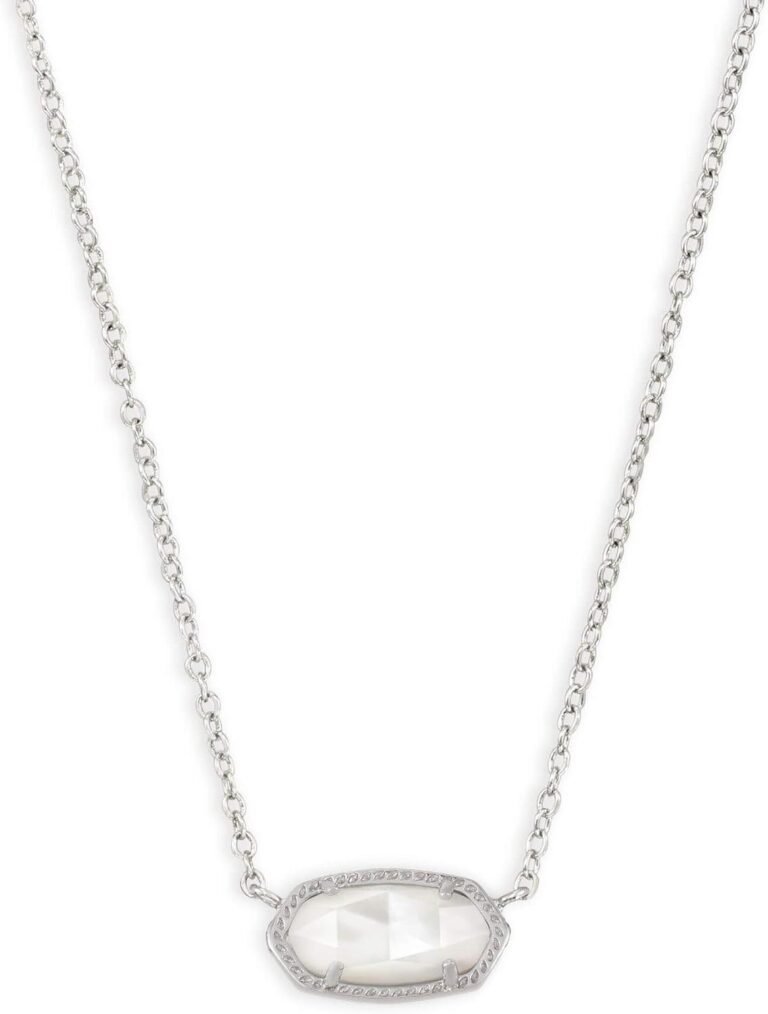
A pendant and a necklace are not the same thing, but they work together as a pair. A pendant is the decorative charm or gemstone that hangs, while a necklace is the chain or band that holds it around your neck. Think of the pendant as the star and the necklace as the stage.
We found that mixing up these two jewelry terms is super common, and it matters when you are shopping or styling your look. Knowing the difference helps you pick the right chain length and style for your favorite charm. It also makes sure you buy the right piece when you are searching online or in a store.
- Pendant is the hanging ornament itself.
- Necklace is the chain, cord, or band that goes around your neck.
- A necklace can exist without a pendant, but a pendant always needs a necklace to hang on.
- Your chain choice (length and thickness) changes how the pendant looks.
- You can wear a pendant on different necklaces to create new looks.
Below, we break down the exact differences, the best chain styles for your pendants, and how to pick the perfect combination for any outfit.
Pendant Vs Necklace: What’s the Actual Difference?
Here’s the simple breakdown: a necklace is the chain that wraps around your neck, and a pendant is the piece that dangles from it. You can wear a necklace all by itself. But a pendant has no purpose unless you put it on a necklace.
Think of it like a key and a keyring. The keyring holds the key, just like the necklace holds the pendant. One works for function, and the other adds the flair.
When you shop online, you might see items labeled “pendant necklace.” That just means the chain and the charm are sold together as one ready-to-wear piece.
Why the Confusion Happens So Often
Most people use the words interchangeably, and it’s totally understandable. You walk into a store and ask to see necklaces, but you actually mean you want a new charm to hang on an old chain. For a deeper look at how men can pull off this look, our men’s pendant style guide covers the essentials.
We found that jewelry descriptions on social media blur the lines too. Influencers say “look at this necklace” while holding up a giant gemstone pendant. It gets messy fast.
Once you know the core definitions, you will never mix them up again. You will also shop with way more confidence.
What Counts as a Necklace?
A necklace is any piece of jewelry that encircles your neck. It can be made from many materials and comes in many styles.
- Metal chains (gold, silver, platinum)
- Beaded strands (pearls, glass, wood)
- Cords or ropes (leather, satin, cotton)
- Collar or choker styles that sit tight against the skin
Necklaces have one job: to decorate your neckline. Whether they hold a pendant or not is up to you.
What Counts as a Pendant?
A pendant is the hanging decorative piece that suspends from a necklace or cord. It dangles and moves as you walk.
Pendants come in endless shapes. You have lockets, crosses, birthstones, initials, and abstract metal art. Some are heavy and bold, while others are tiny and delicate.
Here is the rule we found that sticks: if it doesn’t hang, it’s not a pendant. Earrings are not pendants. Bracelets are not pendants. The piece must be suspended.
Can a Pendant Be Worn Without a Necklace?
The short answer is no. A pendant needs something to hang from, and that something is the necklace.
You could technically thread a pendant onto a ribbon or a shoelace, but that ribbon is now acting as a necklace. So the rule still holds.
Many experts in jewelry design point out that the pendant and necklace relationship is one of give and take. The chain provides support, while the pendant provides personality.
Choosing the Right Chain Length for Your Pendant
Your necklace length changes how your pendant sits on your body. This is the most important styling choice you will make when building a layered look.
We found that getting this right instantly upgrades your outfit. Get it wrong, and even a gorgeous pendant looks off.
Here is a quick guide to standard lengths:
| Chain Length | Where It Sits | Best For |
|---|---|---|
| 16 inches | At the collarbone | Chokers and small pendants |
| 18 inches | Just below collarbone | Medium pendants (most common) |
| 20 inches | At the chest | Statement pieces and layering |
| 24 inches | Below the bust line | Bold or heavy pendants |
If you are tall or have a longer neck, you might need an inch or two extra. Always measure a necklace you already love to get your sweet spot.
Chain Thickness Matters Too
Thin chains and heavy pendants do not mix. We found that a heavy stone on a delicate 1mm chain is a recipe for a broken necklace.
Match the weight of your pendant to the gauge of the chain. Heavy pendant? Go thick. Light and airy pendant? A fine chain works beautifully.
Experts in jewelry craftsmanship suggest that a pendant should not weigh more than the chain can reasonably support. If in doubt, ask the seller before you buy.
The Main Styles of Pendants You Should Know
Pendants come in distinct categories, and each has a different vibe. Knowing these helps you talk to jewelers and pick pieces that match your wardrobe.
Classic Solitaire Pendants
This is a single gemstone or diamond held by a simple prong setting. It hangs alone on a chain for a timeless and clean look. These are the go-to for everyday wear.
Locket Pendants
Lockets open up to hold a photo or a tiny keepsake. They carry sentimental value and usually look best on a longer chain so you can handle them easily.
Charm Pendants
Charms can represent hobbies, faith, or memories. You can stack several on one necklace for a personalized story. Only one charm on a chain is a pendant; a bunch becomes a charm necklace.
How to Buy the Perfect Pendant and Necklace Combo
Whether you are treating yourself or buying a gift, you want a pair that looks like they were made for each other. We found these factors make the biggest difference:
- Metal matching: Gold pendant on gold chain. Silver on silver. Mixing metals can look intentional but it is harder to pull off.
- Bail size: The bail is the loop on top of the pendant. Make sure it fits over your chain. Some chains are too thick for small bails.
- Style synergy: A modern geometric pendant looks odd on a super ornate vintage chain. Keep the vibe consistent.
- Clasp quality: Lobster clasps are sturdy and reliable. Magnetic clasps are easy for older hands but weaker under tension.
- Everyday wear: If you plan to wear it daily, choose a durable metal like 14k gold or sterling silver.
Many jewelry stores let you pick the pendant and chain separately. That is often a smarter move than buying a set because you control every detail.
Ways to Style Necklaces With and Without Pendants
You do not always need a pendant. In fact, a bare necklace can be a statement on its own. Layered plain chains look trendy and modern without a single charm in sight.
Layering Necklaces Like a Pro
Grab three chains of different lengths. Put a pendant on just the middle one. This creates depth without chaos.
Keep the pendants small when you layer. Too many big charms makes the stack look cluttered. We found that one focal pendant plus two plain chains is a winning formula.
Wearing One Pendant on Different Bases
The same pendant can look completely new on different necklaces. Put your mother’s vintage locket on a long leather cord for a casual weekend look. Then move it to a classic 18-inch gold curb chain for brunch. Two outfits, one pendant, zero new purchases.
Final Styling Checklist for Pendant and Necklace Pairings
Before you commit to a look, run through this quick mental list. It takes about ten seconds and saves you from common mistakes.
- Does the pendant slide through the chain’s opening?
- Is the chain strong enough to hold the pendant’s weight?
- Does the pendant sit at a flattering spot on your chest?
- Does the metal color flatter your skin tone?
- Will the pendant snag on knit or fuzzy sweaters?
- Does the clasp feel secure when you put it on?
Answer yes to all six, and you are ready to walk out the door. If you answer no to any, tweak one element before you go.
Remember this: the necklace is the frame, and the pendant is the artwork. When they work together, you have a masterpiece that fits right around your neck.
Conclusion
You now know the real difference: the necklace is the chain, and the pendant is the charm that hangs from it. That one simple fact changes how you shop, style, and layer your jewelry.
We covered how chain length and thickness matter for how your pendant sits and hangs. You also learned how to match metals and pick the right bail size for a secure fit. A bare necklace can be a bold statement, and a single pendant can transform across different chains.
Here is your next step: grab a pendant you already own and try it on a different chain tonight. You will quickly see how one small swap creates a brand new look.
Frequently Asked Questions
Can I wear a pendant on a bracelet or anklet?
Yes, you can. A pendant is any hanging ornament, and it does not have to hang from a necklace specifically. You can attach a small charm to a bracelet or an anklet for a playful touch.
Just make sure the bail fits the chain or cord you are using. A heavy pendant might feel clunky on a delicate bracelet, so keep it light.
What is the best metal for a pendant necklace that I wear every day?
You want a metal that can handle daily wear without tarnishing or bending. 14k gold, sterling silver, and platinum are all solid choices for everyday use.
We found that 14k gold is a favorite because it is durable without being too soft. It also resists tarnish better than higher-karat gold options.
How do I keep a pendant from flipping upside down on the chain?
Flipping happens when the pendant is heavier at the top or the chain is too thin. The best fix is to make sure the bail is centered and the pendant is balanced.
You can also add a small rubber disc or a jewelry stopper behind the bail. This keeps the pendant in place and stops it from sliding or turning.
Can I put multiple pendants on one necklace?
Yes, you can absolutely stack several pendants on a single chain. This is a popular trend and looks great when the pieces share a similar metal or theme.
Just be careful about the total weight. Too many heavy charms can stretch or break a delicate chain. Keep it to two or three lightweight pendants for the best look.
Is a locket considered a pendant or a necklace?
A locket is a type of pendant. It is the decorative hanging piece that holds a photo or keepsake inside.
When you place a locket on a chain, the chain is the necklace and the locket is the pendant. You can swap a locket onto different chains to change how it hangs and feels.