Layered Pendant Necklaces: How to Style for Any Look
The easiest way to layer pendant necklaces is to start with a shorter choker-style piece, add a mid-length pendant around 18 inches, and finish with a longer 24-inch necklace for depth. This three-tier rule creates instant balance and prevents tangling. You can layer pendant necklaces successfully by mixing chain styles and textures while keeping your focal points visually separated.
Getting the right look isn’t just about throwing on a few chains. You want to avoid overwhelming your neckline and make sure each pendant gets its moment to shine. We found that choosing pendants of different sizes and placing them at varying lengths creates the most polished, intentional look. The goal is to create a visual triangle that draws the eye upward without looking cluttered.
- Stick to 3 necklaces max for a clean, curated look.
- Keep your shortest layer between 14 and 16 inches.
- Use a 24-inch chain for your longest pendant to create separation.
- Match metals for a cohesive style, or mix them for a trendier vibe.
- Add a lobster clasp extender to adjust lengths and prevent knots.
Below, we break down the exact steps to build a layered pendant stack that works for any neckline, outfit, or occasion. Let’s walk through this together so you can nail the look without the frustration.
Building Your Pendant Necklace Layers the Smart Way
Let’s get you set up for success. We found that the secret to great layering is planning your stack before you put it on. You don’t need a jewelry box full of options. You just need a few key pieces and a simple strategy. Think of your necklaces like a team. Each one has a job, and they work best when they cooperate. This guide will help you pick the right pieces and put them together with confidence. We’ll break down the whole process step by step, so you can create a look that feels effortlessly you.
Selecting Your Three Core Necklace Lengths
Length is the foundation of any good necklace stack. It creates the visual rhythm that your eye follows. The goal is to have each necklace sit at a different point on your collarbone or chest. This prevents them from bunching up and getting tangled. We recommend a simple formula that works for almost everyone.
- 14 to 16 inches: This is your choker layer. It sits right at the base of your neck. This piece acts as your anchor. It sets the tone for the entire stack.
- 18 inches: This is your classic pendant length. It falls right at your collarbone. This is often your main statement piece. It carries the most visual weight.
- 24 inches: This is your longest layer. It creates depth and draws the eye downward. It gives your whole look a sense of balance and length.
These three lengths create a nice, even staircase effect. This spacing is key. It gives each necklace its own space to shine. You can adjust these numbers slightly based on your height and neck length. The principle stays the same: vary the lengths for a clean, layered look. Many stylists point to this three-length system as the most foolproof way to approach layering.
Choosing the Right Pendants for a Cohesive Look
Now for the fun part—picking your pendants. This is where your personality comes through. But you still want to keep a sense of order. We found that choosing pendants of different sizes is more important than matching them perfectly. You want a clear visual hierarchy. You don’t want three big, heavy pendants all competing for attention.
Picking Your Focal Point Pendant
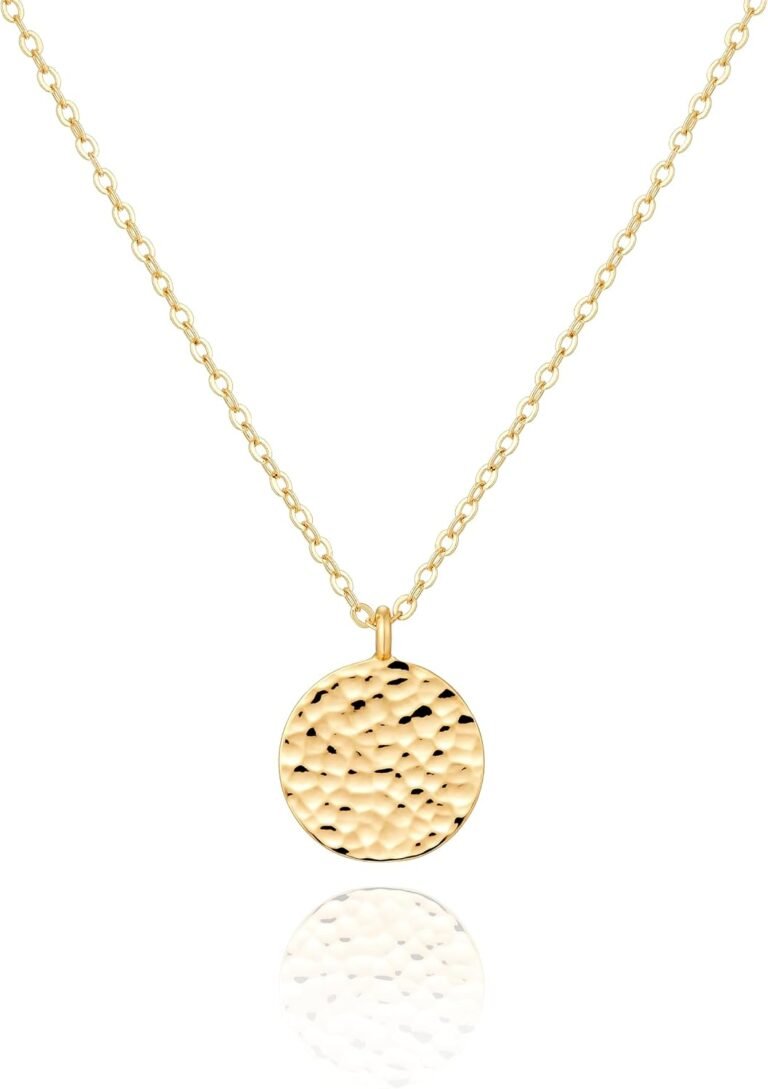
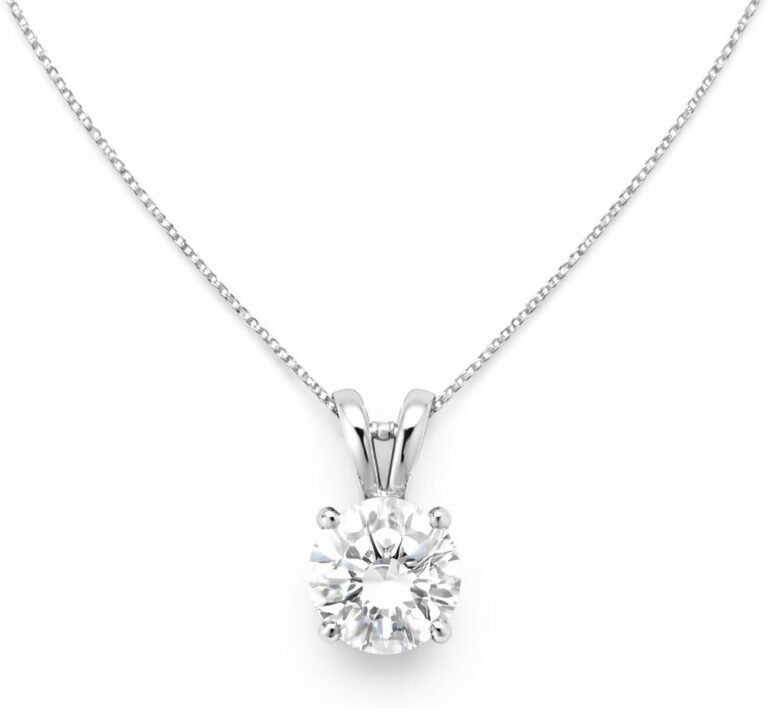
Start with your main piece. This is usually the largest or most detailed pendant you own. It should go on your 18-inch chain. This sits right at your collarbone, which is a natural focal point. This is the piece you want people to notice first. It anchors your entire stack. Everything else should support this star piece. We recommend choosing a pendant with a simple shape for this spot. Think of a coin, a gemstone, or a meaningful symbol.
Selecting Supporting Charms and Coins
Next, you’ll want smaller pieces to fill in the gaps. Your shortest chain (14-16 inches) can hold a delicate bar or a tiny charm. It sits high up, close to your throat. This adds a subtle layer of interest without being loud. For your longest chain (24 inches), you can use a medium-sized pendant. It should be smaller than your focal point. This creates a nice sense of progression and balance. Many experts suggest thinking of it like a triangle. Your focal point is the top, and the other pendants create the base. This shapes the eye and keeps the look from feeling chaotic.
Mixing Chain Textures and Styles on Purpose
Here is where you can really have fun. Mixing chain styles adds depth and dimension to your stack. This is a key trick that separates a good stack from a great one. It adds a touch of intentionality. You’re not just wearing three chains; you’re creating a curated composition. We found that combining different textures makes the whole look more interesting. It catches the light in different ways. It also adds a tactile element that feels luxurious.
- Cable chain: This is your classic, timeless chain. It’s smooth and understated. It works well as a base for a focal pendant.
- Rope chain: This has a twisted, textured look. It adds a touch of elegance and sparkle. It’s great for your longest layer.
- Beaded chain: This can be made of pearls, gemstones, or metal beads. It adds a pop of color and a different shape. It’s perfect for your choker layer to add some personality.
- Box chain: This is a clean, modern chain. It’s strong and smooth. It’s a great alternative to a cable chain.
When you mix these, the differences become the design. For example, a delicate beaded choker looks amazing against a sleek, modern box chain. That contrast is what makes the stack feel special. It shows that you put thought into your look. You are building a story with your jewelry.
How to Put Your Layered Pendants On Without a Fight
This is the moment of truth. You have your pieces picked out. Now you need to get them on without creating a knotted mess. We’ve all been there. It’s frustrating. It makes you want to give up and just wear one necklace. But there’s an easy method that works every time. It takes a little patience, but it’s worth it. You’ll get the look you want without the stress.
The Easiest Way to Fasten Each Layer
The trick is to work from shortest to longest. Put on your choker first. Fasten it securely. Then, put on your 18-inch necklace. Finally, add your longest 24-inch piece. This simple order prevents tangling. It’s a logical, step-by-step process. If you have an extender chain, add it to the longest necklace before you put it on. This gives you a little more room to play with. It also gives you a way to adjust the fit. You can also use a magnetic clasp if you struggle with lobster claws. These are easier to handle, especially when you’re in a hurry.
A Simple Trick to Keep Your Pendants Facing Forward
One of the most annoying things is when your pendants flip over. You want the beautiful side facing out. There is a simple trick to help with this. This trick is a game-changer. Before you put on your necklace, slide a small, clear silicone bead onto the chain. Then, thread your pendant onto the chain, and add another bead on the other side. This sandwiches the pendant in place. It stops it from sliding around and flipping over. This is a tiny, invisible hack that makes a huge difference. It keeps your design perfectly in place all day long.
Using a Clasp Extender to Adjust Length
An extender is a small piece of chain that clips onto your necklace clasp. It adds anywhere from two to four inches of length. This is a very useful tool for layering. We found that having one on hand makes it so much easier to create perfect spacing. If your necklaces are too close together, you can use an extender on one of them. This adds just enough length to create that needed separation. It also makes it easier to put your necklaces on and take them off. You can leave the extender attached and just use the larger clasp. This saves you time and hassle.
Putting Together Your Layered Pendant Stack
Now that you have the basics down, let’s talk about style. You want your stack to complement your outfit. It should enhance your neckline, not compete with it. Here is a quick guide on how to pair your layers with different tops. This will help you look put-together for any occasion. We’ve found that matching your necklace to your neckline is a simple way to elevate your style. It’s all about creating a balanced silhouette.
| Neckline | Best Layering Strategy |
|---|---|
| V-Neck | Let your longest pendant (24″) fall into the V. Use a shorter 16″ and 18″ layer to frame it. |
| Crew Neck | Keep your layers higher. Use a 16″ choker, an 18″ pendant, and a 20″ or 22″ chain. |
| Off-the-Shoulder | This is a blank canvas. Go for a dramatic look with a 16″, 18″, and a long 24″ or 26″ piece. |
| Cowl Neck | Skip the longest layer. Stick to a 16″ choker and an 18″ pendant to sit above the fabric. |
| Turtleneck | Long layers are your friend. Use a 20″, 24″, and 28″ chain for a sleek, elongating effect. |
This table is a great starting point. Use it as a cheat sheet. In a few seconds, you can decide which necklaces to wear. You will feel more confident and less stressed about your jewelry choices.
Pro Tips for Tangle-Free Layers That Last
Nobody wants to spend ten minutes untangling their jewelry. It’s the worst way to start your day. We have some simple habits you can build to keep your necklaces knot-free. These are small things that make a big difference over time. They will save you from so much frustration. You’ll be able to grab your favorite pieces and go.
Storing Your Necklaces to Prevent Knots
The way you store your necklaces matters. Tossing them all in a jewelry box together is a recipe for disaster. They will become a tangled mess. We recommend storing each necklace separately. This is the best way to prevent knots. You can use a jewelry tray with individual slots. You can also hang them on a jewelry stand. A simple corkboard with push pins works great too. The key is to keep them from touching each other. This simple step will save you a lot of time and patience.
Quick Fixes for a Tangled Pendant Mess
Even with the best storage, tangles happen. When they do, don’t panic. We have a simple trick that works wonders. Lay the tangled necklaces flat on a table. Sprinkle a little baby powder or cornstarch on them. This makes the chains slippery. Then, use a sewing needle or a straight pin to gently work out the knots. The powder helps the chains slide apart. It is a simple, effective trick. It works much better than pulling and tugging, which only makes the knots tighter.
Quick Checklist for a Perfect Pendant Stack
Here is a simple checklist to review before you walk out the door. Use it to make sure your layers look intentional and put-together. This is your final quality check. It takes just a few seconds. But it ensures you always look your best. We found that having a mental checklist like this is the key to consistent style.
- Check the lengths: Ensure your three necklaces are visibly different lengths.
- Check the pendants: Make sure your focal pendant is on the middle (18″) chain.
- Check the sizes: Verify that your supporting pendants are smaller than your main piece.
- Check the textures: Mix at least two different chain styles for visual interest.
- Check the placement: Look in the mirror and make sure all pendants are facing forward.
- Check the balance: Make sure the stack doesn’t feel too heavy or crowded on your neckline.
Go through this list, and you are good to go. You will have a stylish, functional, and beautiful necklace stack. It will look like you spent a lot of time on it, but you’ll know it only took a few minutes. This is the power of having a simple system. It takes the guesswork out of getting dressed and lets your personal style shine through. It’s a reliable way to look polished every single day. We think you are going to love how easy it is.
Conclusion
Layering pendant necklaces is all about planning your lengths, choosing a clear focal point, and mixing textures with purpose. You now have a simple three-tier system that works for any outfit. Stick to three necklaces max, vary your lengths between 16, 18, and 24 inches, and keep your main pendant front and center.
The best part? You already own pieces that can work together. Start by pulling three necklaces from your collection and lay them out on your dresser. Follow the checklist we shared, put them on shortest to longest, and check your mirror before you head out. You’ll nail this look with a little practice, and soon it will feel totally effortless.
Frequently Asked Questions
Can you layer two pendant necklaces or do you need three?
You can absolutely layer just two pendants. Pair a 16-inch choker with an 18-inch pendant for a simple, clean look. Two layers work great for work settings or when you want something more minimal. Three layers just give you more depth and visual interest.
Should all my pendant necklaces match in metal color?
Matching metals creates a cohesive, polished look, but mixing metals is totally on-trend right now. If you’re new to layering, start with all gold or all silver for an easy win. Once you feel confident, try mixing yellow gold with rose gold or silver for a modern, personalized vibe.
How do you keep pendant necklaces from tangling when you wear them?
The best way to prevent tangles is to put your necklaces on from shortest to longest. This keeps the chains from crossing over each other while you fasten them. You can also add a small clasp extender to your longest chain for easier handling. Storing each necklace separately overnight also keeps them knot-free for the next morning.
What pendant shapes work best for layering?
Coin pendants, small bars, and delicate gemstones are the easiest shapes to layer. They sit flat against your chest and don’t catch on other chains. Avoid oversized or overly ornate pendants for your supporting layers. Keep your largest or most detailed pendant on the middle chain as your focal point.
Can you layer pendant necklaces with a statement necklace?
Yes, but keep the statement piece as your focal point on the middle chain. Pair it with very delicate, simple chains above and below it. Your supporting pieces should be thin and understated so they don’t compete. This creates a balanced look where the statement pendant still gets all the attention.