Necklace vs Pendant: Key Differences Explained
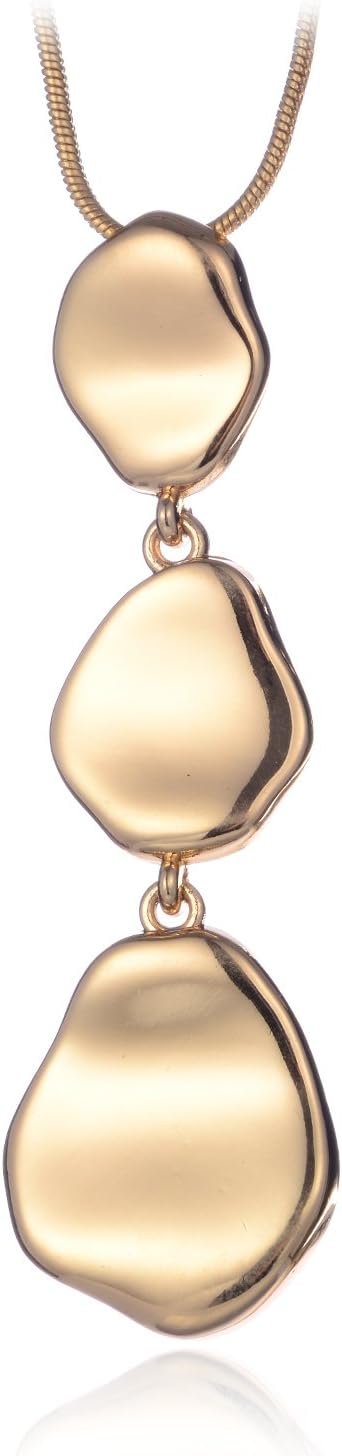
A necklace is the jewelry that goes around your neck, while a pendant is the decorative piece that hangs from the chain. Think of it this way: the necklace is the complete piece of jewelry, and a pendant is the charm or ornament attached to it. All pendants are part of a necklace, but not all necklaces have pendants.
You can wear a plain chain with no adornment, and that’s still a necklace. But the moment you add a charm, a locket, or a gemstone drop to that chain, you’ve created a necklace with a pendant. We found that this simple distinction changes how you shop, style, and layer your jewelry.
- The short version: A necklace is the full piece you wear around your neck. A pendant is just the hanging part attached to the chain.
- You can wear a necklace without a pendant — a simple chain works perfectly on its own.
- You can’t wear a pendant without a necklace (or a cord or chain) to support it.
- Pendants let you swap styles easily — one chain can hold a dozen different pendants.
- Necklace length matters for pendants — shorter chains (chokers) and longer chains (ropes) change how a pendant sits on your chest.
Below, we break down the key differences between necklaces and pendants, how to choose the right one for your outfit, and tips for mixing and matching both. You’ll know exactly what to shop for next.
Necklace and Pendant: What Each Piece Does
You already know the basic idea: the chain is the necklace, and the charm is the pendant. But there is more to it than that. Each piece plays a different role in your outfit and your jewelry box.
The necklace is the foundation. It is the part that wraps around your neck and sets the length and style. The pendant is the focal point. It catches the light and draws the eye. We found that thinking of the pendant as the “star” and the necklace as the “stage” helps a lot.
Why the Chain Matters More Than You Think
Many people pick a pendant first and grab any chain to hold it. That is a mistake. The chain determines how the pendant sits, swings, and shines.
A delicate 16-inch chain will hug your throat like a choker. A longer 24-inch chain rests lower on your chest. This changes the entire look of the same pendant. The chain material matters too. Gold feels warm and classic. Silver feels cool and modern. We found that mixing metals between chain and pendant can look intentional, but matching them is safer for a polished look.
Chain Thickness and Weight
Heavy pendants need sturdy chains. A thick crystal or a big coin pendant will drag a thin rope chain down. It will flip over and never sit straight. Choose a cable chain or a box chain with a thicker gauge for heavier charms.
Light pendants look great on delicate chains like wheat or snake styles. The thin metal lets the charm do all the talking.
How to Choose Between a Necklace and a Pendant
So, when should you buy a full necklace set versus a separate pendant? It actually depends on your wardrobe and your habits. Let’s walk through the pros and cons of each approach.
The Case for Buying a Separate Pendant
Buying a pendant by itself gives you flexibility. One simple gold chain can hold a locket, a birthstone, or a tiny evil eye. You swap them out based on your mood or your outfit. That is a huge win for the price.
- Cost-effective: You buy one quality chain and several budget pendants.
- Versatile: Change your look in seconds without buying a new necklace.
- Sentimental: Add charms over time to tell your story.
We recommend this route if you like to refresh your style often.
Why a Full Necklace Set Might Be Better
A complete necklace with a fixed pendant is often sturdier. The pendant is soldered on or built into the design. There is no risk of the clasp failing or the pendant sliding around.
Full necklace sets also look more cohesive. Designers match the stone, metal, and balance perfectly. We found that many brides and gift-givers prefer this because it feels intentional and finished.
How Pendant Size and Weight Change the Game
Size is not just about looks. It is about physics and comfort too. A huge pendant can pull your neck forward. A tiny one might get lost in a busy shirt pattern.
Matching Pendant Size to Your Body
Smaller frames suit smaller pendants. If you are petite, a giant medallion can overwhelm you. Taller or broader shoulders can handle bold, chunky pieces.
Think about your neck length too. Short necks look better with longer chains and smaller pendants. Long necks can pull off chokers and large drops. Many style guides follow this general rule, and it works for most people.
The Weight Factor
A heavy pendant can cause real neck strain. Researchers note that prolonged wearing of heavy neck jewelry can lead to muscle fatigue. Lightweight options are best for all-day wear. If you love a heavy piece, save it for evenings out. Do not sleep in it.
Layering Necklaces and Pendants Like a Pro
Layering is where the magic happens. You can mix a plain necklace, a pendant necklace, and a longer chain together. The secret is variety in length. Stagger your chains by two inches or more. This stops them from tangling into a mess.
Creating Balanced Layers
Start with a choker or a 16-inch chain. Add an 18-inch piece with a small pendant. Finish with a 22-inch or 24-inch longer chain. This creates a beautiful V-shape that elongates your neck. We found this trick works for both casual tees and formal gowns.
Keep the pendants on different chains. If you put two heavy charms on one delicate chain, it gets tangled. Use a shorter chain for a small droplet and a longer chain for a larger focal piece.
Mixing Metals and Textures
Do not stress about matching every metal. A mixed-metal look is trendy and human. Blend a silver chain with a gold pendant for a modern touch. Mix a smooth snake chain with a bumpy paperclip chain for texture contrast.
Just keep the pieces visually balanced. Too many competing elements look busy. When in doubt, let one piece be the leader and let the rest be quiet support.
Practical Care Tips for Chains and Pendants
Your necklace and pendant need different care even though they live together. The chain gets oils from your skin and contact with hair products. The pendant might be gemstone and require gentler handling.
Chain Care Basics
Store chains flat or hung straight to avoid kinks. Use a jewelry box with individual compartments. A tangled chain is frustrating and can break. Clean your chain with warm water and mild dish soap. Dry it completely before storing. Many experts recommend avoiding harsh chemicals like chlorine which can weaken the metal.
Pendant Protection
Check the bail (the little loop connecting the pendant to the chain) regularly. A weak bail can lose a precious gemstone. Take off your pendant before swimming, exercising, or sleeping.
Longevity and Durability: Necklace vs Pendant
We found that the pendant is usually the piece that fails first. It dangles and swings. It bumps into tables and counters. The chain is protected against your body, but the pendant takes the impact.
| Factor | Necklace (Chain) | Pendant |
|---|---|---|
| Main function | Support and length | Style and focus |
| Wear and tear | Less direct impact | High impact and knocking |
| Maintenance | Cleaning and untangling | Checking bail and prongs |
| Swapping options | Can be worn solo | Requires a chain to hang on |
Check both pieces when you clean them. Give the chain a gentle tug at the clasp. Give the pendant a wiggle to see if the bail is loose. This takes ten seconds and saves you heartbreak later.
Final Styling Checklist Before You Buy
Before you hit “add to cart,” run through this quick list. It helps you avoid the common mistakes we see all the time.
- Weigh your pendant: Can your chosen chain support it?
- Measure your chain: Where do you want the pendant to land?
- Check the bail size: Does it fit the chain width?
- Match your lifestyle: Do you wear it daily or just on weekends?
- Plan your layers: Will it conflict with your go-to stack?
- Set a budget: Is the set more affordable than two separate pieces?
Take your time. Jewelry is personal, and there is no absolute right or wrong. You do you. Just remember the basics, and you will make a good call every time.
Conclusion
You now know the real difference: the necklace is the chain, and the pendant is what hangs from it. That simple split changes how you shop, style, and care for your pieces. A plain chain works solo, but a pendant always needs a chain to live on.
We covered the basics: match your chain weight to your pendant, pick the right length, and check your bail often. You also learned how to layer like a pro and when to buy a set versus a single pendant.
Here is your next step: grab one quality chain you love. Then collect a few pendants that speak to you. Swap them based on your mood. That one combo gives you endless looks without breaking your budget.
Frequently Asked Questions
Can you wear a pendant on any necklace chain?
Most chains work, but you need to check the bail size and chain thickness. The bail loop must fit through the chain links. A heavy pendant also needs a sturdy chain to support its weight without sagging.
Is a locket considered a pendant?
Yes, a locket is a type of pendant. It hangs from a chain and opens to hold photos or small keepsakes. The chain is still the necklace, and the locket is the pendant attached to it.
What is the best chain length for a pendant?
It depends on where you want the pendant to sit. An 18-inch chain rests at your collarbone, which works for most people. A 20-inch chain sits slightly lower and suits larger or heavier pendants.
Why does my pendant keep flipping over?
This usually happens when the chain is too thin for the pendant’s weight. The chain twists under the weight, causing the pendant to flip. Try a thicker chain or a pendant with a weighted bottom to fix this issue.
Can you wear a necklace without a pendant?
Absolutely. A plain chain is a complete necklace on its own. Many people wear a simple gold or silver chain without any charm for a clean, minimal look. It is stylish and works with any outfit.