Pendant vs Necklace: What’s the Real Difference?
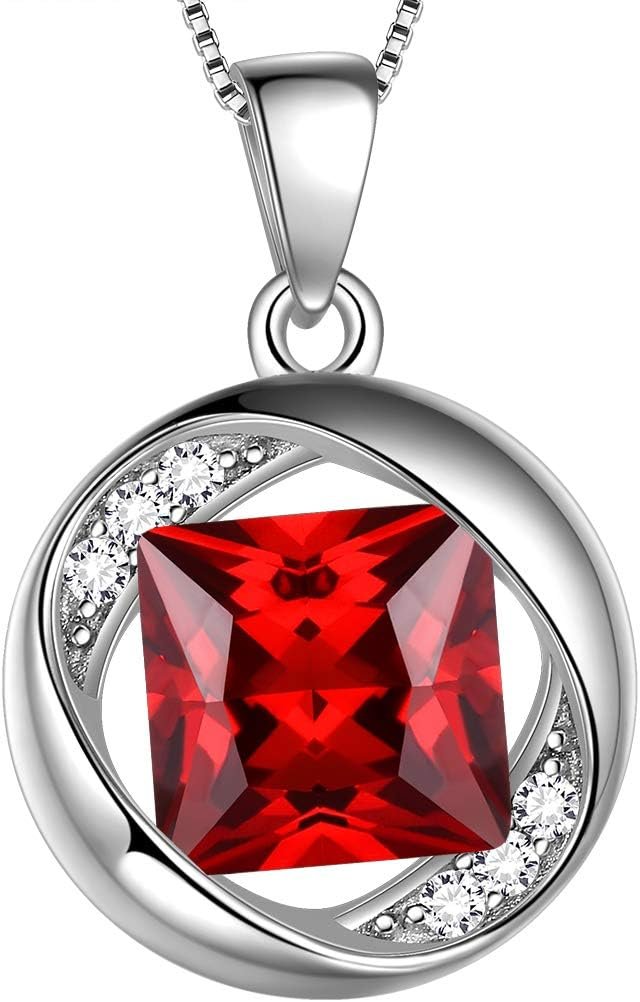
Yes, there is a clear difference: a pendant is the decorative piece that hangs from a chain, while a necklace is the complete jewelry item that goes around your neck. Think of it this way — you wear a necklace, but you hang a pendant on one. We found that most people use these words interchangeably, but jewelry experts see them as two separate parts of one whole.
When you shop for jewelry online or in a store, you’ll often see pendants sold alone or necklaces sold as complete sets. A necklace can exist without a pendant — like a simple chain — but a pendant always needs a chain to be worn. Understanding this distinction helps you mix and match pieces and make smarter buying choices, whether you’re treating yourself or picking a gift.
- A pendant is the hanging ornament; a necklace is the full chain or band.
- You can wear a necklace without any pendant at all.
- A pendant requires a chain, cord, or necklace base to function.
- The word “pendant” comes from the Latin word for “to hang.”
- Charm necklaces and lockets are popular types, but they are still pendants on necklaces.
Below, we break down the key differences, how to choose between them, and what to look for when shopping — so you never mix up these terms again.
Understanding the Pendant and Necklace Distinction
You’re not alone if you have used these two words like they mean the same thing. Most of us do. But once you see the difference, you will never unsee it.
We found that the easiest way to think about it is to imagine a picture frame. The necklace is the frame itself — the part that wraps around your neck or rests on your collarbone. The pendant is the photo — the decorative piece that hangs in the center, catching your eye.
Why the Word “Pendant” Actually Tells You Everything
The term “pendant” comes straight from the Latin word for “to hang.” That’s it. A pendant is simply anything that hangs down from a supporting element.
So, when you see a loose diamond solitaire drop in a jewelry case, that’s the pendant component. When you spot a silver chain draped on a velvet bust nearby, that’s the necklace. The two work together, but are separate items.
The Necklace as the Foundation Piece
A necklace, by definition, is any piece of jewelry worn around the neck. This includes chains, beads, cords, or metal bands.
Many guidelines in jewelry design emphasize that a necklace is a complete, functional item on its own (National Jeweler). You can put it on and walk out the door. No extra parts are required.
Think of a simple gold rope chain. It is a necklace. It looks finished, clean, and purposefully worn without any decoration hanging from it.
How to Tell Which One You Are Holding in Your Hand
We found that a quick visual check settles the argument in under five seconds. You just have to ask yourself one question: “Does this item close around my neck by itself?”
If it does, it’s a necklace. If it’s an ornament with a jump ring or bail hole on top, it’s a pendant. The practice of separating these terms is standard across reputable jewelers and auction houses.
The Simple Clasp Test
Look for a clasp. If you see a lobster claw or a spring ring clasp, you are holding a necklace. Pendants rarely have clasps because they don’t wrap around anything.
Instead, pendants have a bail. That’s the little metal loop at the top where the chain slides through. If it has a bail, it needs a host piece. Pendants always need a host piece.
What If It’s a Cord or Beaded Strand?
Even if there’s no metal clasp, a beaded strand that ties with a knot is still a necklace. The string or cord is the necklace portion. The beads could be pendants, but once strung together, they create a unified necklace.
Experts suggest that you treat any item that encircles the neck as a necklace. That is the rule of thumb. This simple mental model works every time.
The Real-World Buying Differences: What You Pay For
Here is where it gets practical. We found that pricing and shopping habits change completely once you understand the difference. You aren’t paying for the same thing in both cases.
When you buy a pendant, you are paying mainly for the design and the gemstone or metalwork. When you buy a necklace, you are paying for the amount of material (like gold weight) and the craftsmanship of the chain links.
Why Pendants Are Sold Separately
Jewelry stores sell pendants separately because one pendant can work with many chains. That’s good news for your wallet. You can swap a pendant from a casual leather cord to a dainty gold chain for a formal event without buying a whole new piece.
The industry relies on this. If you buy a pendant, you can upgrade your chain later. You are not locked into one look.
When a Necklace Is the Smarter Purchase
There are times when you should skip the separate pieces. A chain that is too delicate might not support a heavy pendant. We found that many jewelers recommend buying a complete necklace if you want a guaranteed fit and balanced weight.
A complete necklace set comes with the pendant already attached. You don’t have to guess if the chain will fit through the bail. This is often the better choice for gifts.
Mixing and Matching: The Style Benefits
Knowing the difference opens up your entire jewelry box. You can change the entire vibe of an outfit by swapping only the pendant or only the necklace.
Many fashion experts say that layering is easier when you understand the parts. You can thread two pendants onto one longer necklace for a modern look. You can also use a shorter necklace as a “choker” base and add a longer pendant on top for dimension.
Popular Pendant Styles You Can Count On
- Lockets — open to hold tiny photos or keepsakes
- Solitaire drops — a single stone hanging on a bail
- Religious symbols — crosses, stars, or medallions
- Charms — playful symbols that reflect your hobbies
- Birthstone pieces — your month’s gem cut and mounted
- Bars and initial plates — minimal, modern geometric shapes
Popular Necklace Styles That Stand Alone
Some necklaces are designed to be worn without anything added. These styles carry the design themselves.
Collar necklaces sit high on the throat. Chokers hug the neck tightly. Princess-length chains fall just below the collarbone. Opera-length strands hang down to the sternum, and rope-length chains go even lower. Each of these is a full necklace on its own.
A Quick Comparison Table for Easy Reference
We put together a compact guide. It helps when you’re shopping online and staring at a confusing product title.
| Feature | Pendant | Necklace |
|---|---|---|
| Definition | Hanging ornament | Full jewelry item around neck |
| Connection point | Bail or jump ring at top | Clasp or tie to close |
| Can it be worn alone? | No | Yes |
| Primary cost factor | Design and gemstone | Metal weight and chain detail |
| Typical weight | Usually the heavier, decorative part | Light (like a chain) or heavy (like beads) |
This table is your cheat sheet. Bookmark it or screenshot it for your next jewelry run.
How to Choose the Right Chain for Your Pendant
Not every chain works with every pendant. We found that mismatched sizing is the number one rookie mistake. It leads to lost pendants or broken chains.
First, check the bail size. If the hole is tiny, you need a thinner chain. If the bail is wide, you can use a chunkier link. The chain must slide freely through the bail without getting stuck.
Weight Matters More Than You Think
A heavy pendant needs a strong chain. Many jewelers suggest a cable chain or a box chain for heavier pieces. These offer more strength, up to five times more than a flimsy rope chain of the same diameter.
For a light pendant like a thin initial, a dainty curb chain works fine. Keep the proportions balanced. A giant medallion on a thread-like chain will stretch the links.
Length Guidelines Based on Your Neckline
Your necklace length affects how the pendant sits on your body. You can use lengths just like you use fashion rules for neckline shapes.
- 16 inches: Choker length, works best with collarbone pendants
- 18 inches: Classic length, sits at the collarbone
- 20-22 inches: Falls just below the collarbone, suits most tops
- 24 inches: Hangs on the sternum, great for layering
- 30 inches+: Longest style, reaches the waist area
Layering Tips That Work Every Time
Layering is the trend that never seems to fade. You can pile on different lengths and mix textures. The key is to vary the pendant sizes so they don’t collide into a tangled mess.
Start with a short choker with a small pendant. Then add an 18-inch chain with a medium circular pendant. Finish with a 24-inch chain with a long drop shape. The visual pyramid looks intentional, not chaotic.
A Simple Styling Checklist Before You Leave the House
Run through this quick mental list when you are getting dressed. It saves you from awkward tangles and safety-pin emergencies.
- Check that all clasps are fully closed and secure
- Make sure the pendant slides freely along the chain
- Confirm the chain weight supports the pendant weight
- Test the length against your neckline before stepping out
- Untangle chains while they rest flat, not on your neck
- Store your pieces separately to avoid knots and scratches
Care Differences Between the Two Pieces
Cleaning a pendant is not the same as cleaning a necklace. The main body of the chain needs different attention than the decorative front piece. Keeping them clean extends their life dramatically.
We found that many jewelry care guides recommend polishing chains with a soft cloth to remove oils and lotions (Mayo Clinic, 2022). Pendants with gemstones often need a gentler touch, like a brush with mild soapy water, to avoid dulling the stone.
How to Store Both Without Damage
Store necklaces flat or on a hanger rod. Do not toss them in a drawer where they can twist into painful knots. Hang pendants separately, or attach them to a jewelry board.
You can also use a small pillbox for individual pendants. This keeps them from scratching each other and from scratching the chain. Simple storage habits will keep your collection looking brand new for seasons.
Why You Should Own Both Types in Your Collection
You don’t have to pick a side. We recommend owning both standalone necklaces and separate pendants. This gives you the widest range of styling options.
Start with a basic pendant, like a small diamond or gold bar. Pair it with two or three different chains in different metals and lengths. You now have more than six different looks. The same pendant can go from a casual brunch to a formal gala.
Reliable styling guides suggest that building a capsule jewelry wardrobe begins with three items: one classic chain, one statement pendant, and one everyday necklace. Once you have those, everything else is just fun extras.
Conclusion
You now know the real difference. A pendant hangs. A necklace encircles. This simple rule changes how you shop and how you style your jewelry.
Remember, a necklace works fine on its own. A pendant always needs a chain to shine. Mixing and matching gives you unlimited looks without spending more money.
Your next step is easy. Check your jewelry box right now and sort every piece. Hold up each item and ask, “Does this close around my neck by itself?” If not, you have a pendant that needs a home.
Once you start seeing these pieces as separate parts, you will build a smarter, more versatile collection. Happy styling.
Frequently Asked Questions
Can you wear a pendant without a necklace?
No, you cannot wear a pendant without a necklace, cord, or chain. A pendant has a bail or jump ring at the top, but nothing to wrap around your neck. You need a base piece to support it.
Is a locket considered a pendant or a necklace?
A locket is a pendant. It is a decorative hanging ornament that opens to hold photos or keepsakes. When you buy a locket on a chain, you are buying a pendant and a necklace together as a set.
What is the difference between a charm and a pendant?
A charm is a small, often playful decoration that hangs from a bracelet or necklace. A pendant is usually larger and serves as a focal point. Both are hanging elements, but charms are typically smaller and more casual.
Do you buy a pendant and chain separately to save money?
Often yes. Buying them separately lets you choose exactly what you want. You can splurge on a high-quality pendant and pair it with an affordable chain. You can also upgrade the chain later without replacing the pendant.
What type of necklace is best for a heavy pendant?
You need a strong chain for a heavy pendant. Cable chains and box chains offer the most strength for their size. Avoid delicate rope chains, which can stretch or break under extra weight.