Your Wedding Ring: How to Wear It Right
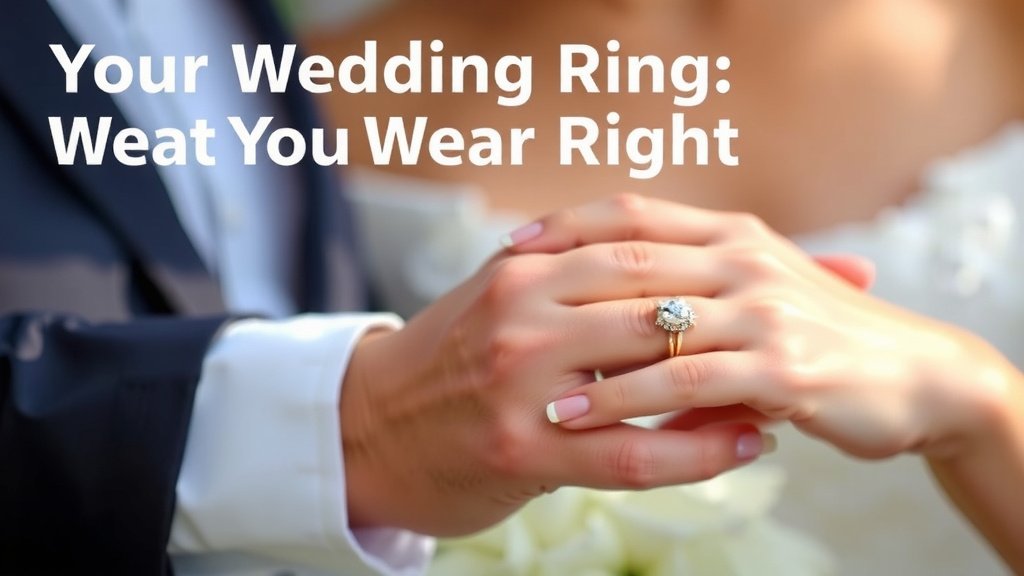
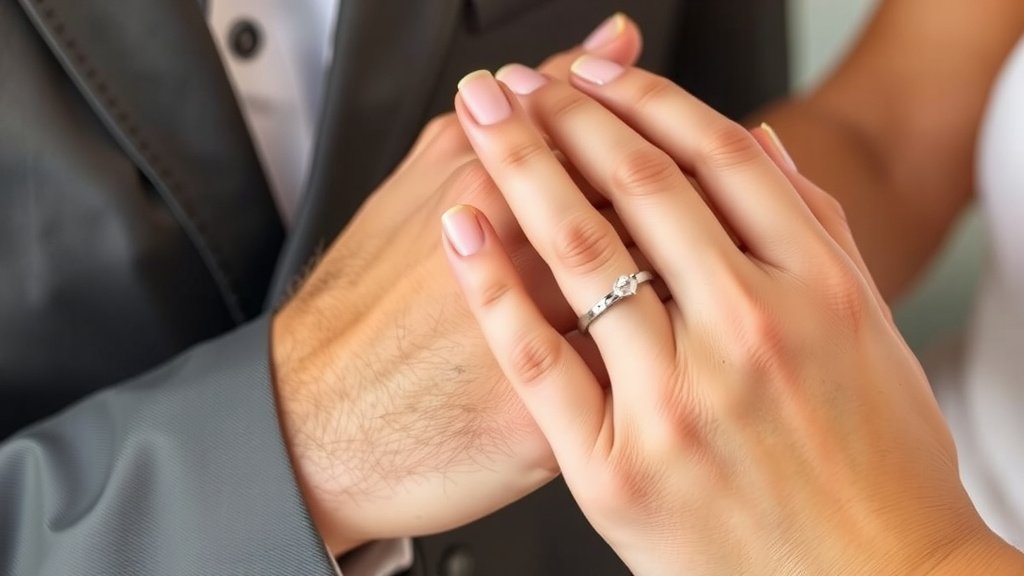
The simplest way to wear a wedding ring is on the fourth finger of your left hand. This tradition dates back to ancient beliefs about a vein called the “vena amoris” running directly to the heart. So, if you’re wondering how to wear your wedding ring, this is the most common and widely accepted method.
While the left hand is traditional in many Western cultures, some people choose to wear their wedding ring on their right hand. This might be due to cultural reasons, personal preference, or even logistical needs like specific job requirements. It’s your ring, and you have the freedom to decide where it feels most comfortable and meaningful to you. We found that understanding these different traditions helps clarify why preferences vary.
- Wear your wedding ring on the fourth finger of your left hand for tradition.
- Consider the right hand for cultural reasons or personal choice.
- There’s no single “right” way; comfort and meaning are key.
- Many people switch hands or wear both engagement and wedding rings together.
Let’s walk through some common scenarios and what we found most people do when it comes to wearing their wedding ring.
Wearing Your Wedding Ring: Common Practices and Considerations
You’ve got your ring, and now you’re probably wondering about the best way to wear it. While the tradition is strong, there’s a bit more to it than just slipping it on a finger. We’ve looked into how most people decide where their symbol of commitment lives.
The Traditional Placement: The Fourth Finger, Left Hand
For many, wearing a wedding ring on the fourth finger of the left hand is the default. This practice is deeply rooted in history. Ancient Romans believed a vein, called the ‘vena amoris’ or ‘vein of love,’ ran directly from this finger to the heart (Smithsonian Magazine). It’s a romantic notion that has persisted for centuries.
Why the Left Hand? Historical Context
The idea of the ‘vena amoris’ is a primary reason. While modern anatomy shows this isn’t literally true, the sentiment remains powerful. Many Western cultures adopted this tradition, making it the most common choice. It’s a visual cue that signals marital status to others.
Engagement Rings and Wedding Bands: A Dynamic Duo
Often, an engagement ring is worn on the same finger, usually underneath the wedding band. When you get married, you might place the wedding band closer to your heart, on the finger itself, and then slide the engagement ring on top. This arrangement keeps both symbols of your commitment together.
The Order of Rings
There’s no strict rule, but we found that many people wear their wedding band first, closest to their hand, and the engagement ring over it. Others prefer the engagement ring closest to their heart. It’s really about what looks and feels best on your hand. Some even choose to wear them on separate hands!
Exploring Other Options: The Right Hand Tradition
While the left hand is prevalent in many countries, you’ll find that the right hand is the customary choice in others. This is a significant cultural difference that’s important to understand.
Cultural Differences in Ring Placement
In many parts of Europe, including Germany, Russia, India, and Norway, wearing the wedding ring on the right hand is common. Research indicates this stems from various historical or religious reasons, often emphasizing the ring as a symbol of public declaration and protection (The Knot). It’s fascinating how a simple gesture can have different meanings across the globe.
Personal Preference and Practicality
Beyond cultural norms, some individuals choose the right hand for personal reasons. Perhaps you’re left-handed and find it more comfortable. Maybe your job involves a lot of manual labor, and you feel the right hand offers better protection for your ring. Your comfort and daily life are valid considerations.
A Matter of Comfort and Convenience
Some people simply feel the ring fits better or feels less intrusive on their right hand. If the traditional left-hand placement feels awkward, don’t hesitate to explore other options. Many couples discuss this openly before the wedding.
What About Couples Who Wear Rings on Both Hands?
Yes, it’s becoming more common for couples to wear their wedding rings on different hands. This can be a way to honor different cultural backgrounds within the marriage, or simply a shared decision for aesthetic or practical reasons. For example, one partner might follow the left-hand tradition, while the other follows the right-hand tradition from their heritage.
Can You Wear More Than Just Your Wedding Band?
Absolutely! Many people choose to wear other significant jewelry alongside their wedding ring. This could include:
- Engagement rings: As mentioned, these are often paired with the wedding band.
- Anniversary bands: These add to the stack, symbolizing years of marriage.
- Family heirlooms: Sometimes, a piece of jewelry passed down through generations is worn on the same finger or a different one.
Stacking Rings: A Popular Trend
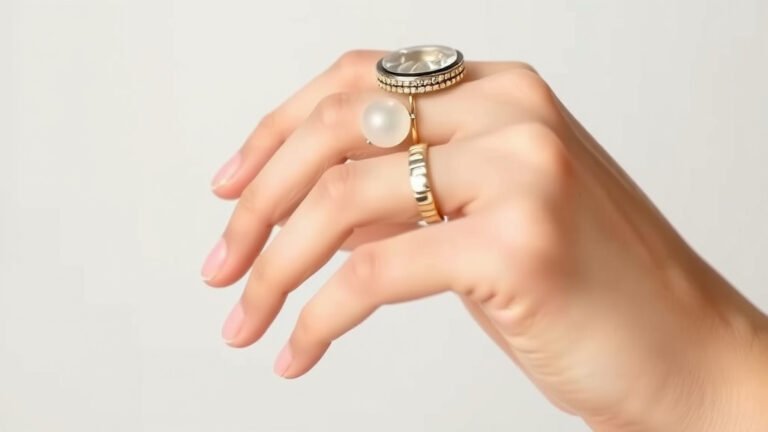
Stacking rings, where multiple bands are worn together on one finger, is a beautiful way to symbolize your journey. You might start with your engagement ring and wedding band, then add an anniversary band each year. We found that this trend allows for personal expression and a growing symbol of your marital history.
When to Switch Your Ring Hand (Or Not!)
Life happens, and sometimes your ring placement might need to change. Here are a few common scenarios:
- Pregnancy: Swelling can make rings tight. Many women switch to their right hand temporarily or wear a simple band.
- Job Requirements: Certain professions, like chefs or electricians, might require removing rings for safety. The right hand can be a practical alternative.
- Medical Reasons: If you experience significant swelling or are undergoing medical procedures, you might need to adjust.
It’s perfectly okay to move your ring if it becomes uncomfortable or impractical. Your ring is a symbol, and its meaning shouldn’t cause you distress.
Making the Decision: Your Ring, Your Rules
Ultimately, there’s no single “correct” way to wear a wedding ring. It’s a deeply personal choice. We found that open communication with your partner is key. Discussing traditions, preferences, and practicalities ensures you both feel comfortable with the decision.
A Checklist for Deciding Where to Wear Your Ring:
- Consider your cultural background and its traditions.
- Think about your partner’s traditions and preferences.
- Assess your daily activities and job requirements.
- Evaluate your comfort level on each hand.
- Decide if you’ll wear other rings alongside your wedding band.
- Don’t be afraid to adjust if your needs change over time.
What matters most is that your wedding ring serves as a cherished reminder of your commitment and feels right for you.
Conclusion
We’ve explored the traditional left-hand placement and the common right-hand alternative, along with cultural nuances and personal preferences. Remember, your wedding ring is a personal symbol of your commitment. Whether you follow ancient customs or forge your own path, the most important thing is that your ring feels right for you and your partner. Take the time to discuss it, consider comfort and practicality, and choose the placement that best reflects your journey together.
Frequently Asked Questions
Which finger is actually called the “ring finger”?
The “ring finger” is traditionally the fourth finger on your left hand. This is commonly referred to as the ring finger due to the historical practice of wearing wedding and engagement rings there, stemming from the belief in the “vena amoris.”
Can I wear my engagement ring and wedding band on different hands?
Yes, absolutely! While it’s traditional to wear them together on the same finger, many couples choose to wear their engagement ring on one hand and their wedding band on the other. This can be for aesthetic reasons or to honor different cultural traditions.
What if my ring finger swells, especially during pregnancy?
It’s very common for fingers to swell, particularly during pregnancy. Many women temporarily switch their rings to their right hand or wear a simpler, more comfortable band during this time. You can switch back once the swelling subsides.
Is it okay to wear my wedding ring on my right hand in the US?
While the left hand is the most common tradition in the US, wearing your wedding ring on your right hand is perfectly acceptable. Many people choose the right hand for cultural reasons, personal preference, or simply comfort. Your choice is valid.
How do I clean my wedding ring safely?
You can often clean your wedding ring with warm water, mild dish soap, and a soft toothbrush. Gently scrub the ring to remove dirt and oils, then rinse thoroughly and pat dry with a lint-free cloth. For tougher grime or delicate stones, consult a jeweler.