Identify Ring Metal: A Simple Guide
Identifying the metal of your ring is quite straightforward with a few simple tests. You can often tell by looking for a small stamp, usually inside the band, or by performing a magnet test to see if it sticks. Most common ring metals like gold, silver, and platinum are non-magnetic.
Understanding your ring’s metal is important for proper care and to know its true worth. Different metals have unique properties that affect their durability and appearance. Knowing the type of metal helps you avoid tarnishing or damage, keeping your jewelry looking its best for years to come.
- Check for a hallmark stamp inside the band.
- Use a strong magnet; most precious metals won’t stick.
- Observe how the metal reacts to wear and cleaning.
- Note any signs of discoloration or tarnishing.
Let’s walk through exactly how to identify your ring’s metal step by step.
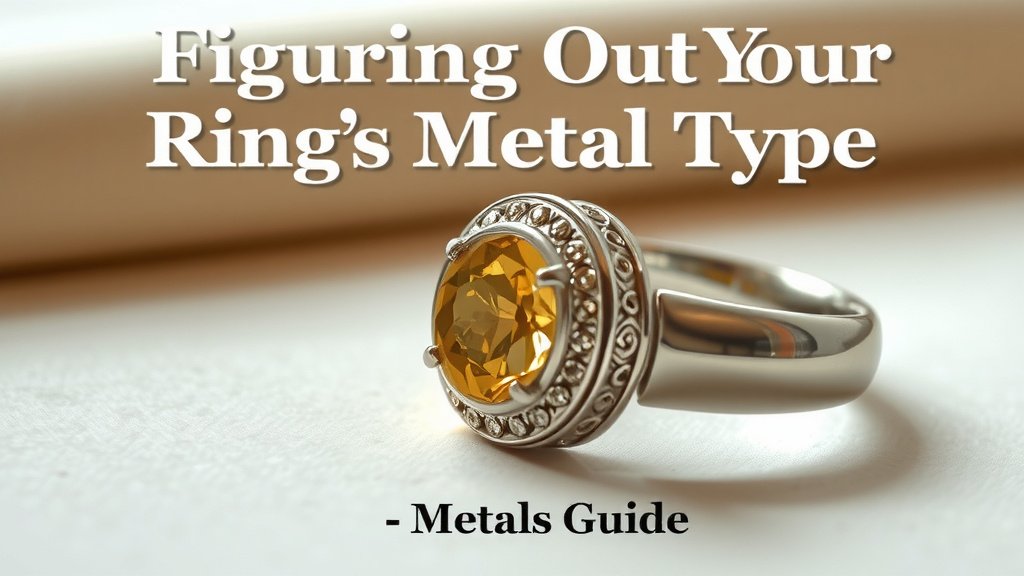
Figuring Out Your Ring’s Metal Type
So, you’ve got a ring and you’re wondering what it’s made of? You’re in the right place! Knowing your ring’s metal is super helpful. It affects how you clean it, if it might cause a rash, and even its actual value.
The Quickest Clue: Hallmarks and Stamps
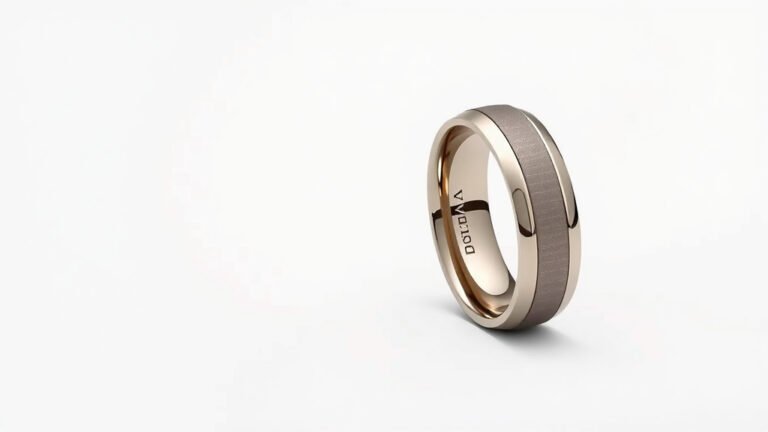
The easiest way to identify your ring’s metal is to look for a tiny stamp. This is often called a hallmark. Jewelers use these stamps to indicate the purity of the metal. You’ll usually find them on the inside of the ring’s band.
What to Look For
These stamps are small, so you might need a magnifying glass or a jeweler’s loupe. Common stamps include numbers like 10K, 14K, 18K, or 24K for gold. For silver, you might see 925 or Sterling. Platinum is often marked with PT, Plat, or numbers like 950.
What If There’s No Stamp?
Don’t worry if you can’t find a stamp. Sometimes, older rings or certain styles might not have them. It just means you’ll need to use a few other methods to figure it out. It’s like a little detective mystery!
The Magnet Test: A Simple Check
Most precious metals used in jewelry are not magnetic. This is a great basic test that can rule out some common metals. You’ll need a strong magnet for this, like one you might find on a refrigerator, but stronger is better. A rare earth magnet works best.
How to Do It
Hold the magnet close to your ring. See if the ring sticks to the magnet. If your ring is attracted to the magnet, it’s likely made of a magnetic metal like iron, nickel, or some types of stainless steel. Many common fashion jewelry pieces use these metals.
What If It Doesn’t Stick?
If your ring doesn’t stick to the magnet, that’s good news! It suggests your ring is likely made from gold, silver, platinum, or palladium. These are all non-magnetic metals. This test doesn’t tell you *which* of these precious metals it is, but it helps narrow things down.
Observing Wear and Tear
How your ring looks after some time can tell you a lot. Different metals react to daily life in unique ways. Pay attention to how it ages.
Discoloration and Tarnishing
Gold, especially lower karat gold (like 10K or 14K), can sometimes show slight discoloration over time. Silver is known to tarnish, turning a dull, darker color. You can often polish silver back to its shiny state. Platinum and higher karat gold are generally very resistant to tarnishing and discoloration.
Scratches and Dents
Softer metals will scratch and dent more easily. Pure gold (24K) is very soft and will show wear quickly. 14K gold is much harder than 24K gold but will still show scratches over time. Platinum is a very durable metal and tends to get scratches, but it doesn’t lose metal, so the scratch often just looks like a dent or a dull line.
Color and Weight Clues
The color of your ring is an obvious clue, but it can be tricky with plating. The weight can also be a good indicator of density.
Understanding Metal Colors
While pure yellow gold is distinctly yellow, alloys change its color. White gold and rose gold are common. Silver has a bright white sheen. Platinum is also a bright white metal, but it often appears slightly darker or more “silvery” than white gold or platinum.
Be aware of plated jewelry. A ring might look like gold but have a thin layer of gold over a base metal. Over time, this plating can wear off, revealing a different color underneath.
How Heavy Does It Feel?
Precious metals have different densities. For instance, platinum is significantly denser and heavier than gold. If you have two rings of the exact same size, one made of platinum and one of gold, the platinum ring will feel noticeably heavier. This can be a subtle clue if you have similar-sized rings made of different metals to compare.
When to Seek Professional Help
Sometimes, you might not be able to figure it out on your own. That’s perfectly okay! There are professionals who can help.
Jewelers Have the Tools
A local jeweler has specialized equipment and expertise. They can perform tests like acid testing or use an XRF analyzer. These methods can accurately determine the metal content of your ring. Many jewelers offer this service, sometimes for a small fee or even for free if you’re considering a trade or repair.
Understanding Metal Purity
The purity of the metal matters. Gold purity is measured in karats (K), with 24K being pure gold. Silver purity is often measured in fineness (e.g., 99.9% pure) or marked as Sterling (92.5% pure). Platinum is typically found in purities like 950 (95% pure).
A Quick Checklist to Identify Your Ring Metal
Here’s a simple checklist to help you on your journey:
- Look for Stamps: Check inside the band for numbers or letters.
- Grab a Magnet: See if your ring sticks.
- Note the Color: Is it yellow, white, rose, or silver-toned?
- Feel the Weight: Does it feel surprisingly heavy or light for its size?
- Observe Wear: Has it tarnished, discolored, or scratched easily?
- Consider Professional Help: If you’re unsure, visit a jeweler.
Conclusion
You’ve now learned several effective ways to identify your ring’s metal. From examining tiny stamps to performing a simple magnet test, you have the tools to get a good idea of what your jewelry is made of. Observing how your ring wears over time and even how it feels in your hand can offer further clues. Don’t hesitate to use these methods to gain confidence in your ring’s identity and care. If you’re still unsure, remember that a professional jeweler is always your best resource for definitive answers.
Frequently Asked Questions
What if my ring has a stamp but I can’t read it?
If the stamp is too small, try using a magnifying glass or a jeweler’s loupe for a closer look. Sometimes, gently cleaning the inside of the band can make the imprint clearer. If it remains unreadable, you may need to consult a jeweler.
Can a ring made of pure gold be magnetic?
Pure gold (24K) is not magnetic. However, if your ring is made of a gold alloy, it’s possible that the other metals mixed in could make it slightly magnetic. Most commonly, gold rings are non-magnetic.
Why does my silver ring tarnish but my gold one doesn’t?
Silver naturally reacts with sulfur in the air, causing it to tarnish. Gold, especially higher karat gold, is much more resistant to this chemical reaction. Lower karat gold might show some discoloration over time due to the alloys present.
How can I tell the difference between white gold and platinum if they look similar?
Platinum is noticeably denser and heavier than white gold. While both are white metals, platinum often has a slightly deeper, cooler tone compared to white gold, which can sometimes have a warmer or “whiter” appearance. A jeweler can confirm with certainty.
Is there any harm in doing these tests on my ring at home?
The methods described, like looking for stamps, using a magnet, and observing wear, are generally safe for most rings. Acid testing, which jewelers use, is more involved and could potentially damage certain finishes or stones if not done correctly, so it’s best left to professionals.