How to Pawn Your Ring: A Simple Guide
Pawning a ring can be a quick way to get cash, especially if you need it right away. You can pawn a ring by taking it to a licensed pawn shop where they will assess its value and offer you a loan based on that appraisal. It’s a straightforward process, and you can usually walk out with money in hand the same day.
Many people consider pawning when facing unexpected expenses. It’s important to understand that pawning isn’t selling; it’s a short-term loan secured by your ring. You have the option to get your ring back by repaying the loan plus interest, or you can forfeit the item. We found that pawn shops look at the metal content and gemstone quality to determine your loan amount.
- Pawning provides quick cash for your ring.
- You get a loan, not a sale; your ring is collateral.
- Repay the loan to reclaim your ring.
- Forfeit the ring if the loan isn’t repaid.
- Pawn shops assess metal and stone value.
Let’s walk through exactly how pawning a ring works, step by step, so you can make the best decision for your situation.
Getting a Loan on Your Ring: What You Need to Know
Pawning your ring is like taking out a short-term loan. The pawn shop holds your ring as collateral. You receive cash immediately. If you pay back the loan plus interest, you get your ring back. It’s a simple exchange designed for speed.
We found that this process works best when you need funds quickly. Think of it as a personal loan where your jewelry acts as the security. This makes it easier to qualify than traditional loans.
Steps to Pawn Your Ring for Cash
The process is pretty straightforward. You’ll want to know what to expect before you walk into the shop.
1. Find a Reputable Pawn Shop
Not all pawn shops are created equal. Your first step is finding one that is licensed and trustworthy. Check online reviews and ask friends for recommendations. A good shop will be transparent about its fees and interest rates. This is key to a positive experience.
2. Understand What Makes Your Ring Valuable
Pawn shops assess your ring’s value based on a few key factors. They are looking at the materials and the gems. This helps them determine how much they can offer you for the loan.
Metal Content
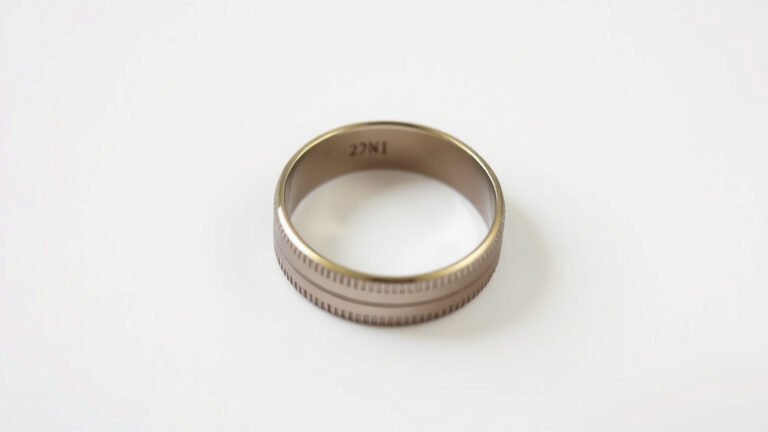
The type and weight of the metal are important. Gold, platinum, and silver are the most common. Pawn shops will test the metal to confirm its purity, often using terms like 10K, 14K, 18K, or 24K for gold. Higher karat gold means more pure gold and thus more value.
Gemstones
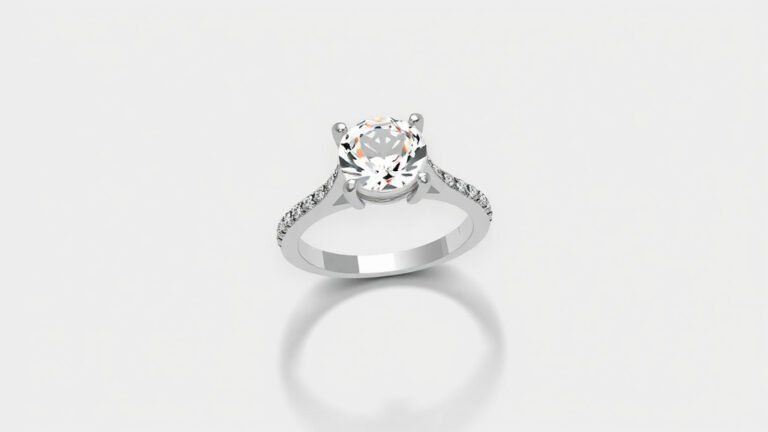
If your ring has diamonds or other gemstones, their quality matters. Jewelers and pawn shops use the 4 C’s: cut, color, clarity, and carat weight. A larger, well-cut diamond with fewer imperfections will increase your ring’s appraisal value. We found that even smaller stones add some worth.
Brand and Craftsmanship
Sometimes, a ring from a well-known designer or a piece with exceptional craftsmanship can add value. This is less common than metal and stone value, but it can contribute. Unique or antique pieces might also fetch a higher price.
3. Get an Appraisal and Loan Offer
Once the pawn shop has assessed your ring, they will make you a loan offer. This offer is usually a percentage of the ring’s melt value (the value of the metal if it were melted down) and its resale value. We found that loan offers can vary significantly between shops.
Don’t be afraid to negotiate a little. The initial offer might not be their final one. You are there to get the best loan amount possible for your item.
4. Receive Your Cash
If you accept the offer, you’ll sign a pawn ticket. This ticket details the loan amount, interest rate, repayment period, and any fees. You’ll then get your cash. Many shops offer payment in cash or check. You can usually walk out with funds the same day.
5. The Pawn Ticket: Your Agreement
This ticket is your contract. It’s super important to keep it safe. It outlines all the terms of your loan. This includes the due date for repayment. It’s your receipt and your reminder of the agreement.
Repaying Your Loan and Getting Your Ring Back
This is the part where you reclaim your precious item. It’s the main goal of pawning, right?
Payment Options
You have a couple of main ways to handle your loan. The most common is simply paying it back in full. This includes the original loan amount plus the agreed-upon interest and fees. Many pawn shops allow you to pay the interest to extend the loan period if you need more time.
The Repayment Window
Pawn loans typically last for a set period, often 30 to 90 days. If you repay the loan within this time, you get your ring back, no questions asked. It’s like the whole thing never happened, other than the interest you paid.
What Happens If You Don’t Repay?
If you don’t repay the loan by the due date, you forfeit the ring. The pawn shop then has the right to sell it. This is why it’s so important to only pawn an item you can afford to lose, or one you are confident you can repay.
Many experts say it’s best to think of pawning as a way to get quick cash for something you’re okay with selling if you can’t repay. It protects both you and the pawn shop. We found that understanding this consequence upfront prevents future surprises.

Understanding Pawn Loan Costs
While pawning can be quick, there are costs involved. It’s essential to be aware of them.
Interest Rates
Pawn shops charge interest on the loan. These rates can be higher than traditional bank loans. State laws often regulate the maximum interest a pawn shop can charge. We found that rates can range from 2% to 10% per month, sometimes more.
Fees
Beyond interest, there might be other fees. These could include service fees, processing fees, or storage fees. Always ask for a clear breakdown of all costs before agreeing to the loan. Transparency is your friend here.
Let’s look at a typical example. Imagine you pawn a ring for $500. The loan term is 30 days with a 5% monthly interest rate and a $10 service fee. You’d need to repay $500 (principal) + $25 (interest) + $10 (fee) = $535 to get your ring back.
| Item | Amount |
|---|---|
| Loan Principal | $500 |
| Monthly Interest (5%) | $25 |
| Service Fee | $10 |
| Total Repayment | $535 |
When Pawning Makes Sense
Pawning is often best for short-term financial needs. If you have a reliable plan to repay the loan, it can be a lifesaver. It avoids credit checks, making it accessible to more people.
Consider it if you have an unexpected bill, like a car repair or a medical expense. You get cash fast without the hassle of a lengthy application process. Just make sure you can afford to repay the loan. Your ring is more than just metal and stones; it often holds sentimental value too.
Here’s a quick checklist to keep in mind:
- Check pawn shop reviews for trustworthiness.
- Know your ring’s estimated value before you go.
- Understand all fees and interest rates upfront.
- Have a clear repayment plan in place.
- Keep your pawn ticket safe and know the due date.
- Only pawn items you can afford to lose if repayment fails.
Conclusion
Pawning your ring offers a fast route to cash when you need it most. Remember, it’s a loan where your ring serves as collateral. You’ll need to assess its true value, focusing on metal and gemstone quality. Always understand the loan terms, including interest rates and fees, before you sign. Keeping your pawn ticket safe and knowing your repayment date are essential steps. If you have a solid plan to repay, pawning can be a helpful tool for short-term financial needs.
Your next step should be researching local, reputable pawn shops. Compare their offers and terms to ensure you get the best deal possible for your situation.
Frequently Asked Questions
How much can I expect to get when pawning a ring?
The amount you can get typically depends on the ring’s materials and gemstones. Pawn shops usually offer a percentage of the item’s melt value or resale value. We found that well-crafted rings with high-quality diamonds or precious metals will fetch higher loan amounts.
Can I get my ring back after pawning it?
Yes, you can get your ring back by repaying the full loan amount plus the agreed-upon interest and any fees before the due date. Your pawn ticket will clearly outline this repayment period, often lasting between 30 and 90 days.
What happens if I can’t repay the pawn loan on my ring?
If you fail to repay the loan by the due date, the pawn shop has the right to sell your ring to recoup their losses. It’s important to only pawn items you are prepared to potentially lose or have a firm plan for repayment.
Are pawn shops regulated?
Pawn shops are generally regulated by state and local laws. These regulations often dictate maximum interest rates, loan terms, and reporting requirements. We found that looking for a licensed pawn shop can help ensure you’re dealing with a legitimate business.
Is pawning a ring bad for my credit score?
No, pawning a ring will not affect your credit score. Unlike traditional loans, pawn loans do not require a credit check. This makes it an accessible option even if you have poor credit or no credit history.