How to Authenticate a Ring: A Step-by-Step Guide
You can authenticate a ring by checking for hallmarks, assessing the metal’s weight and feel, and observing its craftsmanship. These indicators help determine if your ring is genuine, especially if it’s made of precious metals like gold or silver. A proper authentication process considers multiple factors.
Understanding these authentication methods is key for anyone dealing with jewelry. It ensures you’re not only protecting your investment but also avoiding potential scams. We found that even subtle details can tell a big story about a ring’s authenticity and origin.
- Look for official hallmarks stamped on the inside of the band.
- Assess the ring’s weight; genuine precious metals feel denser than fakes.
- Examine the quality of workmanship for clues about its origin.
- Consider a professional appraisal for definitive authentication.
Let’s walk through the simple steps you can take to check if your ring is the real deal.
Verifying Your Ring’s Authenticity
You’ve got a ring that looks special. Maybe it was a gift, an inheritance, or a purchase you’re proud of. How can you be sure it’s the real deal, especially when it comes to precious metals like gold, silver, or platinum? We’ve found that a few key checks can go a long way. These steps help you understand the ring’s true nature and value without needing a gemologist on speed dial right away.
Let’s look at how you can start verifying your ring’s authenticity right at home. We’ll cover the visual cues and tactile sensations that tell a story about its creation and materials. Thinking about these details can save you money and heartache down the line.
Examining the Hallmarks: Tiny Stamps, Big Clues
The first place many experts suggest you look is for hallmarks. These are tiny stamps, usually found on the inside of the ring’s band. They are like a manufacturer’s mark or a quality guarantee. For precious metals, these marks indicate the metal’s purity.
Understanding Common Hallmark Symbols
For gold rings, you’ll often see numbers followed by ‘k’ or ‘kt’, like ’10k’, ’14k’, or ’18k’. These refer to the karats, indicating the proportion of pure gold. For example, 14k gold is 14 parts gold and 10 parts other metals.
Silver is typically marked with ‘.925’ or ‘sterling’. This means the silver is 92.5% pure. Platinum rings might be marked with ‘plat’, ‘pt’, or a number like ‘950’ (meaning 95% pure platinum).
What If You Can’t Find a Hallmark?
Don’t panic if you don’t see a stamp immediately. Some older rings might not have them, or they could have worn off over time. The absence of a hallmark doesn’t automatically mean a ring is fake. However, it does mean you’ll need to rely more heavily on other authentication methods.
How to Read and Verify Hallmarks
You’ll need good lighting and possibly a magnifying glass or jeweler’s loupe to see these small marks clearly. Many reputable jewelers use specific, standardized marks. If you see a mark that looks unusual or isn’t in a standard format, it might be a sign to investigate further. Online resources can help you identify common hallmarks from different countries and eras.
Assessing the Metal’s Weight and Feel
Precious metals have a distinct density. Genuine gold, silver, and platinum feel heavier and more substantial than base metals or plated materials. You can often tell the difference just by holding the ring.
The Weight Test: Does It Feel Right?
Pick up the ring. Does it feel surprisingly light for its size? If so, it might be hollow, plated, or made from a less dense metal. Compare it to another ring you know is authentic, if possible. This tactile comparison can be very telling.
We found that many fakes use cheaper metals like brass or steel. These materials often feel lighter. The difference in weight between a solid gold ring and a gold-plated one can be quite noticeable.
Scratch and Magnet Tests: Quick Indicators
You can perform a couple of simple tests, but be cautious! The magnet test is straightforward. Most precious metals (gold, silver, platinum) are not magnetic. If your ring strongly sticks to a magnet, it’s likely made of a base metal like iron or steel, or at least contains a significant amount of magnetic material.
Be warned: Some stainless steel jewelry is designed to look like silver or platinum. While not magnetic, it’s still not a precious metal. Also, some alloys used with gold might contain magnetic elements. This test is a good starting point, not a definitive answer.
The scratch test is riskier as it can damage your ring. If you’re willing to risk a tiny, inconspicuous spot, rub the metal against an unglazed ceramic plate. If it leaves a black streak, it’s likely silver. If it leaves a golden-yellow streak, it might be gold. White streaks usually indicate a fake.
Many experts advise against scratch tests unless you’re certain you won’t damage the item. A professional can perform these tests safely.
Observing Craftsmanship and Details
The way a ring is made often speaks volumes about its authenticity and origin. High-quality rings, especially those made from precious metals, are typically crafted with great attention to detail.
Finishing and Polish Quality
Look closely at the ring’s surface. Is it smoothly finished? Are there any rough spots, sharp edges, or pitting? Genuine precious metals are usually polished to a high sheen. Plated items can sometimes show wear, revealing a different metal underneath.
We found that the smoothness of the finish is a key indicator. Look especially at the areas around stones and intricate designs. Poorly made rings might have uneven settings or visible solder marks.
Setting of Stones
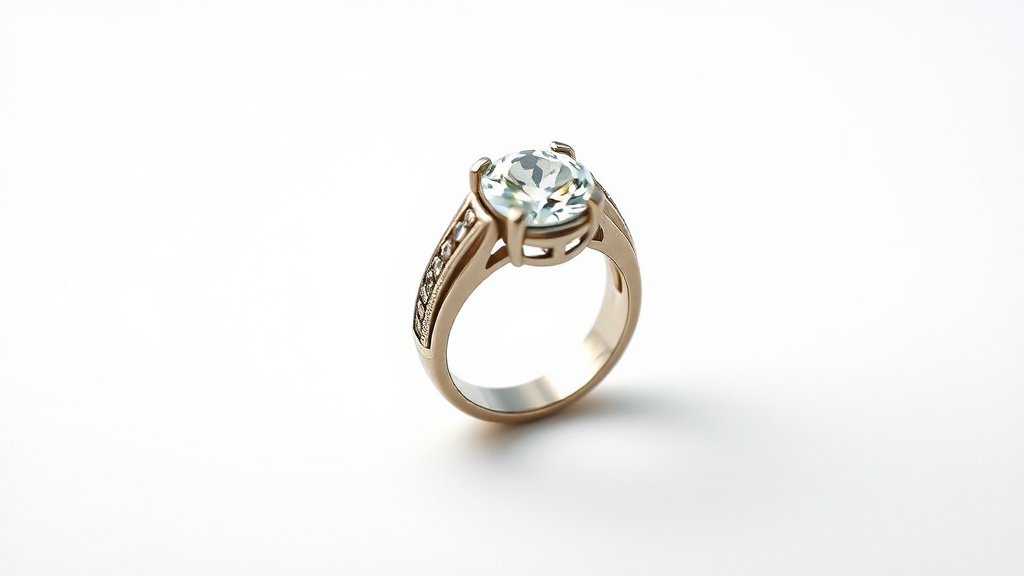
Examine how any gemstones are set. Are they secure? Do they sit evenly? In authentic, well-made rings, stones are usually set precisely. The prongs holding the stones should be neat and well-finished.
Loose stones or poorly executed settings can be a sign of lower quality or a fake. Sometimes, very small stones in pave or channel settings might appear slightly uneven in lower-quality pieces, but this shouldn’t be the case for valuable jewelry.
Wear and Tear Patterns
Consider how the ring has aged. If it’s an older piece, genuine precious metals tend to wear down smoothly. Plated jewelry often shows wear by the plating rubbing off, especially on high-friction areas like the bottom of the band, revealing a different base metal.
We found that if you see patches of a different colored metal showing through, particularly on the edges or the underside of the ring, it’s a strong indication that the ring is plated, not solid.
When to Seek Professional Authentication
While these home checks can give you a good idea, they aren’t always definitive. For complete certainty, especially for valuable rings or when making a significant purchase, a professional appraisal is the best route.
The Role of a Jeweler or Appraiser
A certified jeweler or gemologist has the specialized tools and expertise to accurately determine a ring’s metal content, stone authenticity, and overall value. They can perform tests like X-ray fluorescence (XRF) analysis, which measures the elemental composition of the metal without damaging it.
Many experts say this is the most reliable way to authenticate a ring. It provides documentation and peace of mind. We found that this step is essential for insurance purposes or when selling a piece.
What to Expect from an Appraisal
A professional appraisal will typically include a detailed description of the ring, its materials, any gemstones, and its estimated value. They will note any hallmarks and explain their meaning. You’ll also get information on the craftsmanship and condition of the piece.
This detailed report is a strong form of authentication. It confirms the ring’s quality and origin. For any ring that holds significant sentimental or financial value, this professional step is highly recommended.
- Check for hallmarks (stamps indicating metal purity).
- Feel the ring’s weight; real precious metals feel dense.
- Test for magnetism; precious metals are usually not magnetic.
- Inspect the craftsmanship for smooth finishes and secure settings.
- Look for signs of wear that reveal plating coming off.
- Consider a professional appraisal for certainty.
Conclusion
You’ve now got a solid foundation for authenticating your ring. Remember, checking for hallmarks, assessing the metal’s weight, and observing the craftsmanship are your primary tools. These home-based methods can offer a strong indication of authenticity. Don’t hesitate to trust your instincts; if something feels off, it probably is.
For absolute certainty, especially with significant pieces, a professional appraisal remains the most reliable step. Take these tips to heart, and you’ll be better equipped to understand and protect your jewelry’s true value.
Frequently Asked Questions
Can I test a ring’s metal without damaging it?
Yes, you can. The magnet test is safe and effective. Precious metals like gold, silver, and platinum are generally not magnetic, so if your ring sticks strongly to a magnet, it’s likely made of a different base metal.
What should I do if my ring has no hallmarks?
Don’t immediately assume it’s fake. Older rings may not have hallmarks, or they might have worn off over time. In this case, focus more on the metal’s weight, feel, and the overall quality of the craftsmanship.
How can I tell if a ring is gold plated versus solid gold?
Look closely for signs of wear, especially on the edges or underside of the band. If you see a different colored metal showing through, it’s a strong indicator that the ring is plated. Solid gold will appear the same color throughout.
Is a jeweler always necessary to authenticate a ring?
For a good initial assessment, no. You can use home methods to check hallmarks, weight, and craftsmanship. However, for definitive authentication, especially for insurance or sale, a professional jeweler or appraiser is highly recommended.
What does a common silver hallmark like “.925” mean?
A hallmark like “.925” or “sterling” indicates that the ring is made of sterling silver. This means the metal is 92.5% pure silver, with the remaining 7.5% typically being other metals like copper to add durability.