Spot a Fake Diamond Ring: Your Ultimate Guide
Spotting a fake diamond ring is easier than you might think. You can often tell by looking for flaws or imperfections, how the stone handles heat, and even simple household tests like the fog test. Genuine diamonds have unique characteristics that fakes just can’t perfectly replicate.
Many people worry about being tricked when buying or owning a diamond. Understanding a few key differences between real diamonds and common imitations like cubic zirconia can save you a lot of stress and money. We’ve researched common signs to help you feel more confident.
- Look for imperfections.
- Test its thermal conductivity.
- Try the fog test.
- Check the setting and price.
Let’s walk through exactly how you can check your diamond ring to see if it’s the real deal.
You’ve got your beautiful ring, and you’re wondering if that diamond is truly a diamond. It’s a common concern, and honestly, it’s smart to be aware. So, how can you tell if you’ve got the real sparkle or a convincing copy? Let’s dive into some tests and observations you can do right at home.
Checking Your Diamond for Authenticity
You don’t need a gemologist’s lab to get a good idea about your diamond’s authenticity. Many common imitations have tell-tale signs. We’ve found that simple observation and a few basic tests can reveal a lot.
The Visual Inspection: What to Look For
When you look closely, real diamonds often have tiny imperfections. These are called inclusions. They are like a diamond’s birthmark. Most natural diamonds aren’t perfectly flawless. Lab-created diamonds can also have inclusions.
Flaws and Imperfections
Look at your stone under magnification, if possible. A jeweler’s loupe is ideal, but even a strong magnifying glass can help. Genuine diamonds might show tiny crystals, feathers, or clouds inside. These are natural characteristics.
Many simulants, like cubic zirconia, are made in a lab and are often made to be completely flawless. If your stone looks *too* perfect, it might be a sign. However, some very high-quality, expensive natural diamonds can also be flawless, so this isn’t a definitive test on its own.
The Sparkle Factor (Refraction)
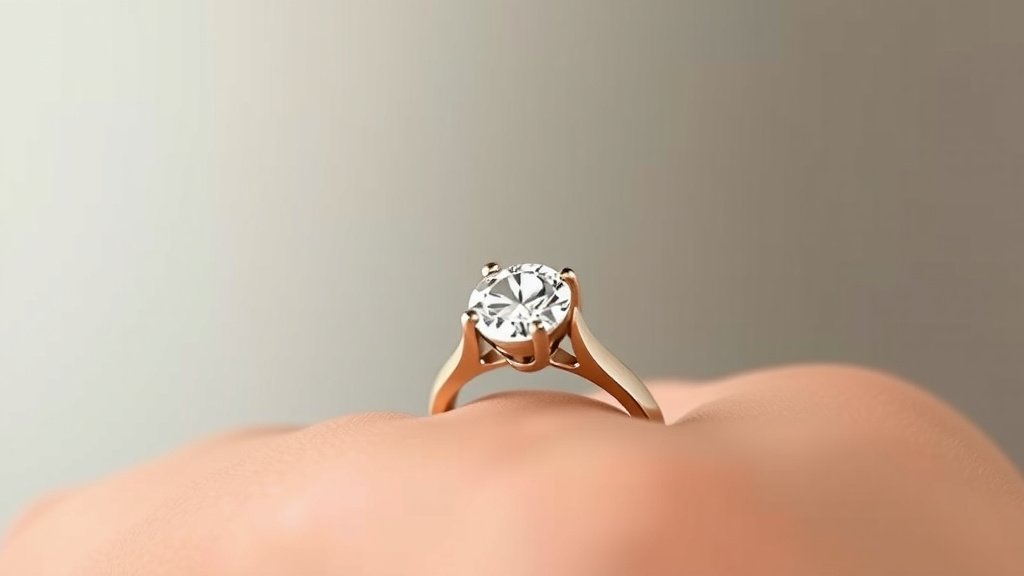
Diamonds are known for their incredible sparkle. This comes from how they bend and reflect light, a property called refraction. They reflect light internally and then bounce it back out, creating brilliance and fire (colored flashes).
Simulants often don’t refract light as intensely. Cubic zirconia, for example, can look a bit more glassy or “doubled” when you look through the facets. Diamonds typically show a very sharp, bright sparkle. If the sparkle seems dull or less intense, it might be a clue.
Home Testing Your Diamond
Several simple tests can help you assess your diamond. These are not foolproof, but they are good indicators when combined with other observations.
The Fog Test: A Breath of Fresh Air
This is one of the easiest tests you can do. Diamonds are excellent heat conductors. They disperse heat quickly. This means they don’t hold condensation well.
Simply breathe on your diamond, like you would fog up a mirror. Watch what happens. If the fog disappears almost instantly, within a second or two, it’s likely a real diamond. If the fog stays on the stone for several seconds, it’s probably not a diamond.
Why does this work? Your breath creates moisture. A real diamond disperses this moisture rapidly due to its high thermal conductivity. Imitations hold the moisture longer, like glass or cubic zirconia.
The Water Drop Test: Surface Tension Secrets
This test looks at how water interacts with the stone’s surface. Diamonds have a surface tension that affects how liquids spread.
Place a small drop of water directly onto the surface of the stone. If the water beads up tightly, like a tiny ball, it’s likely a real diamond. If the water spreads out or flattens, it might be a fake. Real diamonds are hydrophobic, meaning they repel water.
The Read-Through Test: Seeing Through the Sparkle
This test works best for loose stones or if you can see through the side of your diamond. It tests how light passes through the stone.
Place the diamond face down on a piece of paper with a small black dot printed on it. Try to look through the pavilion (the pointed bottom part) of the stone to see the dot. With a real diamond, the light refraction is so strong that you shouldn’t be able to see the dot clearly, or even see it at all. You might see a distorted circular reflection instead.
If you can clearly see the black dot, even if it’s a bit blurry, the stone is likely not a natural diamond. It could be cubic zirconia or glass, which don’t bend light in the same way.
Examining the Setting and Price Tag
The ring itself can offer clues about the diamond’s authenticity.
Hallmarks and Metal Markings
Look at the inside of the ring band. You should find a metal hallmark. These markings indicate the type of metal used for the setting. Common hallmarks include “10K,” “14K,” “18K,” “PT,” or “Plat” for platinum.
If you see markings like “CZ,” it means the stone is cubic zirconia. A genuine diamond will typically be set in precious metal like gold or platinum. If the setting is made of a less expensive metal, it might suggest the stone isn’t a real diamond either. However, sometimes older rings might have stamps that are worn down.
The Price Point Matters
If a deal seems too good to be true, it probably is. Genuine diamonds are rare and thus expensive. If you found a large, brilliant diamond ring for a suspiciously low price, it warrants extra scrutiny. Compare the price to market rates for diamonds of similar size and quality.
Many experts advise that if the price is significantly below market value, you should be very cautious. You might be looking at a simulant or a diamond with serious quality issues.
Understanding Common Diamond Simulants
Knowing what you might be up against is helpful. Here are a few common fakes:
| Simulant | Key Characteristics |
|---|---|
| Cubic Zirconia (CZ) | Very flawless, more fire (rainbow colors) than brilliance, softer than diamond. |
| Moissanite | Similar brilliance, but often more fiery, double refracts light, harder than CZ but softer than diamond. |
| White Sapphire | Less brilliance and fire, can look milky or glassy. |
| Glass | Soft, easily scratched, dull sparkle, often imperfect. |
We found that these simulants are designed to mimic diamonds but have subtle differences in hardness, optical properties, and appearance.
When to Seek Professional Help
While these tests are helpful, they aren’t definitive proof. For absolute certainty, especially when making a significant purchase or if you have doubts about a valuable piece, take your ring to a certified gemologist or a reputable jeweler.
They have specialized equipment like diamond testers and microscopes that can confirm a diamond’s identity. This is the most reliable way to know for sure.
Your Diamond Authenticity Checklist
Here’s a quick recap of what you can check:
- Inspect for flaws: Look for tiny natural imperfections.
- Check the sparkle: Is it brilliant or glassy?
- Perform the fog test: Does condensation disappear quickly?
- Examine the setting: Are there metal hallmarks?
- Consider the price: Does it seem too good to be true?
- When in doubt, get it tested: Visit a professional jeweler.

Conclusion
You now have a solid understanding of how to spot a fake diamond ring. We’ve covered visual cues like natural imperfections and the unique way diamonds handle light. Simple home tests, like the fog test and water drop test, offer quick indicators. Remember to also check the metal setting for hallmarks and consider if the price seems realistic. These methods arm you with confidence when examining your jewelry. When in doubt, always consult a professional jeweler for a definitive answer about your diamond’s authenticity.
Frequently Asked Questions
Is the fog test reliable enough on its own?
The fog test is a great quick check, but it’s not always 100% conclusive on its own. While real diamonds disperse fog rapidly due to their thermal conductivity, some advanced simulants can mimic this to a degree. We recommend using it in combination with other visual checks and tests for a more accurate assessment.
Can lab-created diamonds be identified using these home tests?
Home tests are generally not designed to distinguish between natural and lab-created diamonds. Both are real diamonds with similar physical properties, including how they react in the fog test or refract light. Identifying a lab-created diamond typically requires specialized gemological equipment.
What if my ring has tiny scratches? Does that mean it’s fake?
A real diamond is extremely hard and rarely scratches easily. However, the metal setting can get scratched over time, and sometimes tiny surface abrasions on the diamond itself can occur, especially if worn daily. Significant scratching on the stone itself, rather than the band, might be a sign it’s not a diamond.
How can I be sure about the metal markings on my ring band?
Look for stamps like “14K,” “18K,” “PT,” or “Plat” inside the band. These indicate gold or platinum, which are typical for real diamond settings. If you see “CZ,” that stone is cubic zirconia. If the markings are unclear or absent, it’s harder to tell, and professional appraisal is best.
What’s the difference between brilliance and fire in a diamond?
Brilliance refers to the white light sparkle of a diamond, how much light it reflects. Fire is the dispersion of light into rainbow colors, seen as flashes. Real diamonds have an exceptional balance of both. Many fakes might show more rainbow colors (fire) than white light sparkle (brilliance), or vice versa, making them appear less vibrant.