Unlock the Mystery of Mood Rings: What They Are and How They Work
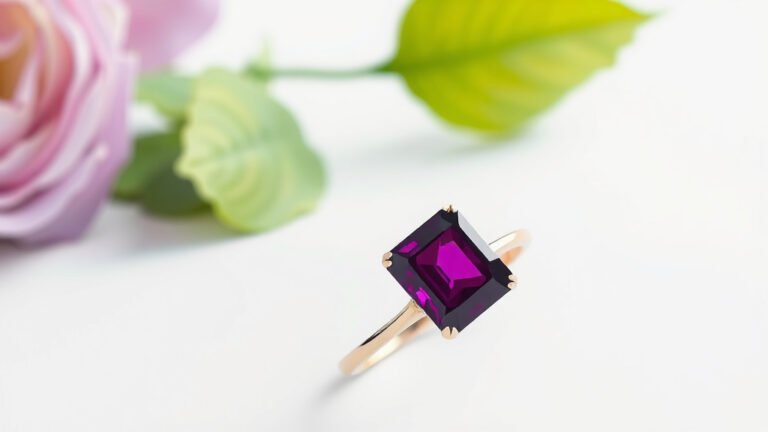
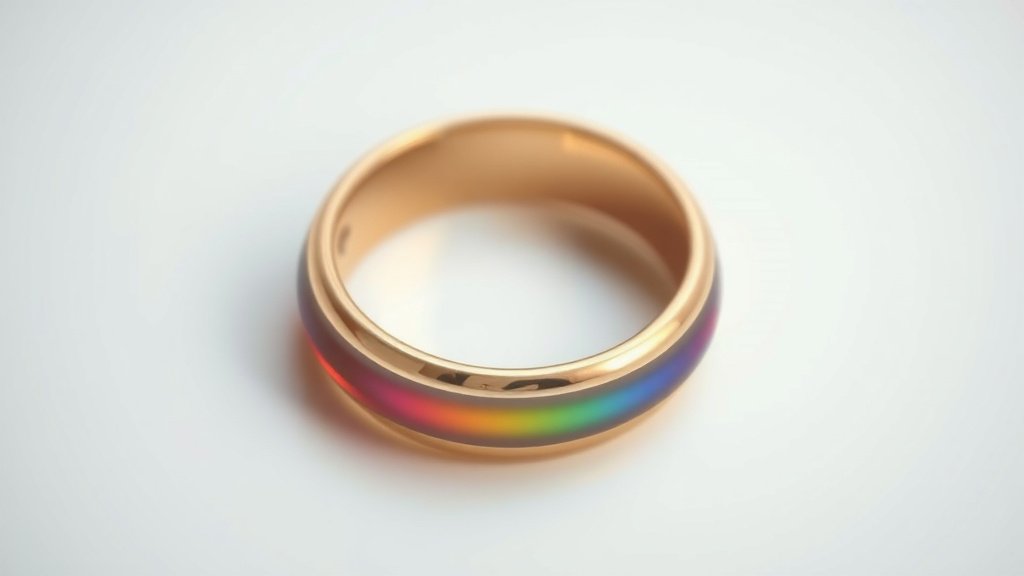
A mood ring is a piece of jewelry containing a thermochromic liquid crystal that changes color in response to your body temperature. The idea is that your mood affects your temperature, so the ring changes color to show how you’re feeling. You’ll often see it described as a fun, temperature-sensitive accessory that offers a colorful, if unscientific, glimpse into your emotional state.
While the colors might not be a perfect lie detector for your emotions, they are a fascinating scientific concept. The liquid crystals within the ring react to heat. When your body temperature changes, the crystals shift, which changes how they reflect light, resulting in different colors. It’s a simple, charming bit of wearable science that many people enjoy.
- Mood rings change color based on your body temperature.
- They use thermochromic liquid crystals that react to heat.
- The colors are meant to represent different moods or feelings.
- While fun, they aren’t scientifically accurate mood indicators.
Ready to understand how these colorful accessories actually work and what those colors might mean? Let’s dive into the science behind your mood ring.
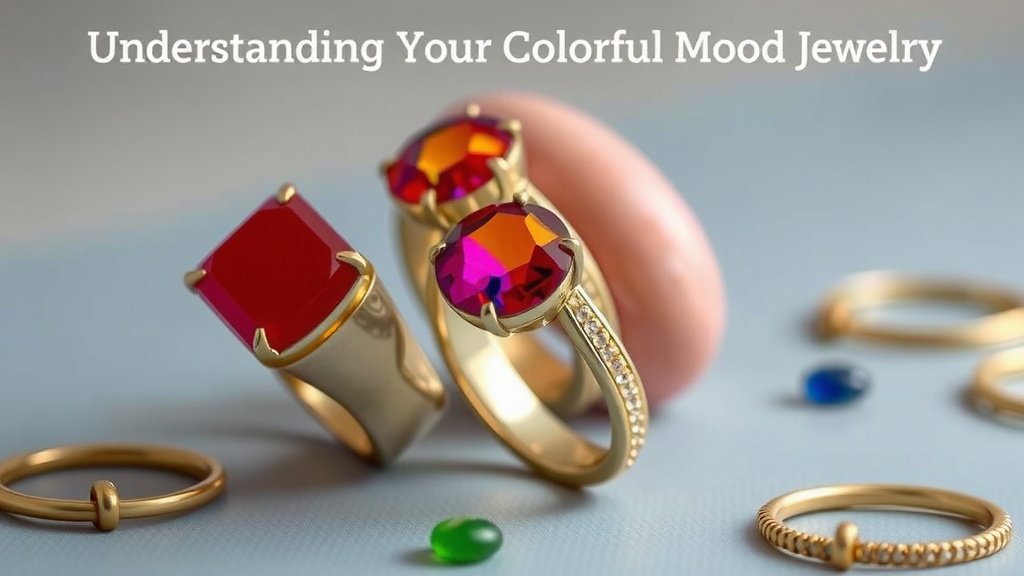
Understanding Your Colorful Mood Jewelry
So, what exactly is this fun piece of jewelry that seems to know how you’re feeling? A mood ring is essentially a ring that changes color. This color-shifting magic happens because of special materials inside the ring. These materials are sensitive to heat. Your body temperature fluctuates. The ring picks up on these subtle changes. It then displays a different color based on that temperature.
The Science Behind the Shine
At its core, a mood ring is a clever display of chemistry. The key ingredient is a thermochromic liquid crystal. These aren’t just any crystals; they react directly to temperature changes. Imagine tiny color-changing particles. When the temperature shifts, their molecular structure rearranges. This rearrangement affects how they reflect light. Different structures bounce light back in different ways. This is what creates the vibrant spectrum of colors you see.
How Temperature Translates to Color
Think of it like a tiny thermometer wrapped around your finger. As your body heats up, the crystals change. They might shift from a cool blue to a vibrant green. If your body cools down, the colors may change again. They could move towards purple or even black. It’s a direct, physical reaction to heat. It’s not about your thoughts, but about your body’s physical state.
Are Mood Rings Accurate?
This is where things get interesting. Many people believe their mood ring perfectly reflects their emotions. If the ring is blue, they feel calm. If it turns red, they’re feeling passionate. However, research and experts suggest otherwise. Your body temperature isn’t solely dictated by your mood. Many other factors can influence it.
Factors Affecting Your Ring’s Color
Your mood ring’s color can change for many reasons, not just your feelings. Things like the ambient temperature of the room play a big role. If you walk into a cold room, your ring might turn blue. If you’re exercising, your body heat will rise. This could turn your ring a fiery red. Even something as simple as washing your hands can temporarily change the color. Your ring is responding to your physical temperature, not necessarily your emotional temperature.
The Role of Emotions vs. Physiology
While strong emotions can sometimes cause a slight rise in body temperature, it’s not a direct one-to-one correlation. Stress can cause sweating, which cools your body. Excitement might raise your temperature a bit. But these are complex physiological responses. They don’t always translate cleanly into a single mood color. Many experts agree that using a mood ring as a definitive indicator of your emotional state is simply not scientifically supported.
Decoding the Colors: What Do They Typically Mean?
Even though they aren’t perfect mood readers, it’s still fun to see what colors your ring displays. Over time, a general “color code” has emerged for mood rings. These interpretations are more for amusement than scientific accuracy. Think of them as playful suggestions. They offer a fun way to engage with the jewelry.
Common Mood Ring Colors and Their Guesses
You’ll find many lists online, but here’s a general guide. These are the colors most commonly associated with different emotional states:
| Color | Possible Meaning (for Fun!) |
|---|---|
| Black | Stressed, overworked, or intense emotions. |
| Blue/Green | Relaxed, calm, content, or feeling peaceful. |
| Green | Average, balanced, or feeling stable. |
| Yellow/Orange | Excited, energetic, or feeling happy and lively. |
| Red/Pink | Passionate, feeling love, or very active. |
| Purple | Spiritual, intuitive, or feeling imaginative. |
A Note on “Average” or “Balanced”
You might notice colors like green or blue are often linked to neutral or calm states. This usually corresponds to a typical body temperature. This is often around 98.6°F (37°C), though individual temperatures can vary. When your ring shows these colors, it’s likely just reflecting your baseline temperature. It doesn’t necessarily mean you’re “boring” or unfeeling!
When to Trust Your Ring (and When Not To)
It’s best to view your mood ring as a conversation starter. It’s a piece of wearable art that uses science. It’s not a medical device or a psychological tool. If you feel stressed, and your ring turns black, it might be a fun coincidence. It could also be because your body temperature naturally changed. Don’t rely on it for self-diagnosis.
Using Your Mood Ring for Playful Reflection
You can use your mood ring as a prompt for self-reflection. If it turns a color you associate with a certain mood, take a moment. Ask yourself: “How am I actually feeling right now?” Sometimes, this gentle nudge can help you connect with your emotions. It’s about mindfulness, not mind-reading. The ring can be a playful reminder to check in with yourself.
Caring for Your Colorful Companion
To keep your mood ring looking its best and functioning, a little care goes a long way. Because of the delicate materials, they need gentle handling. Avoid exposing them to harsh conditions.
Keeping Your Ring in Good Condition
Here are some simple tips to help maintain your mood ring:
- Avoid extreme temperatures. Don’t leave it in direct sunlight for long periods.
- Keep it dry. Remove it before showering, swimming, or doing dishes.
- Clean it gently. Use a soft, damp cloth. Avoid harsh chemicals.
- Store it properly. Keep it in a soft pouch or jewelry box.
Conclusion
You’ve learned that your mood ring is a fun accessory using thermochromic liquid crystals. These crystals change color based on your body temperature, not directly your emotions. While not a scientific mood meter, it offers a playful way to reflect. Remember, external factors can alter its color. Use your mood ring as a gentle reminder to check in with yourself. Enjoy its colorful charm as a unique piece of wearable science!
Frequently Asked Questions
Do mood rings really work?
Mood rings work by reacting to your body temperature, which is scientifically sound. The thermochromic liquid crystals inside change color as your temperature fluctuates. However, they don’t accurately read your emotions, as many things besides mood can affect your body heat.
What is the normal color for a mood ring?
The “normal” or baseline color for a mood ring often corresponds to a calm or average body temperature. This typically falls into the blue or green range, indicating a temperature around 98.6°F (37°C). It simply means your body is at its resting temperature.
Can environmental temperature change my mood ring color?
Yes, absolutely. The ring is sensitive to all temperature changes. If you walk into a cold room, your ring might turn blue or purple. Conversely, sitting in warm sunlight can turn it red or orange, regardless of your mood.
Are there other factors besides temperature that affect mood ring color?
Besides ambient temperature, physical activity can significantly raise your body heat, leading to warmer colors. Even things like washing your hands or holding a warm drink can temporarily shift the color of your mood ring.
Where can I find a reliable list of mood ring color meanings?
While many lists exist, they are for fun and not scientifically proven. You can find general interpretations online for colors like blue (calm), green (balanced), yellow (excited), and red (passionate). Treat these as playful suggestions rather than definitive mood readings.