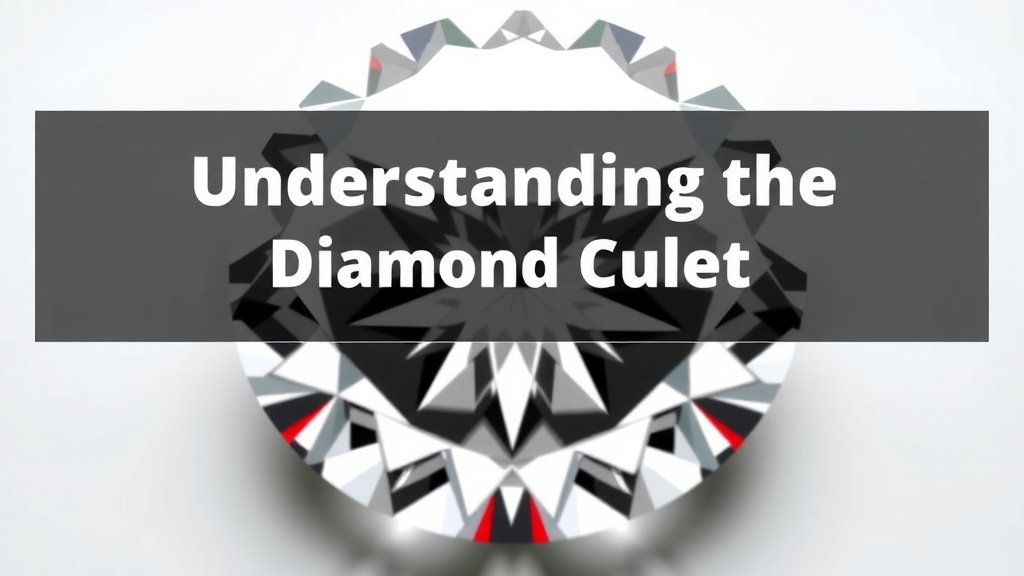
Understanding the Diamond Culet: A Gemstone Essential
The diamond culet is the very tip at the pointy end of a faceted diamond. It’s essentially the diamond’s bottom point. Sometimes, the culet is very tiny or even non-existent. Other times, it’s more noticeable.
While it might seem like a small detail, the culet can actually affect how your diamond looks. A well-proportioned culet can help protect the diamond’s tip. It also plays a role in how light reflects within the stone. Many diamond cutters aim for a culet that’s just right.
- The culet is the diamond’s bottom tip.
- It can be tiny, large, or absent.
- A visible culet can protect the diamond.
- It also impacts how the diamond sparkles.
- Understanding the culet helps you choose a diamond.
Let’s dive a bit deeper into what the diamond culet is and why it matters for your beautiful gem.
You’ve heard about the diamond’s culet, but what exactly is it? Think of it as the diamond’s bottom point. It’s the very last facet to be cut on the pavilion side of the gem. You might not always see it, or it might be quite small. Some diamonds have a culet that’s a bit more noticeable. Its presence and size can actually impact the diamond’s overall appearance and protection.
Understanding the Diamond’s Tip
The culet is the very tip at the bottom of a faceted diamond. It’s essentially the opposite point of the diamond’s table, which is the largest, flat facet on the top. Imagine a pyramid; the culet is the bottom corner of that pyramid. In diamond cutting, this point is created as the final step in shaping the pavilion. The goal is usually to create a sharp, clean point.
What Does a Culet Look Like?
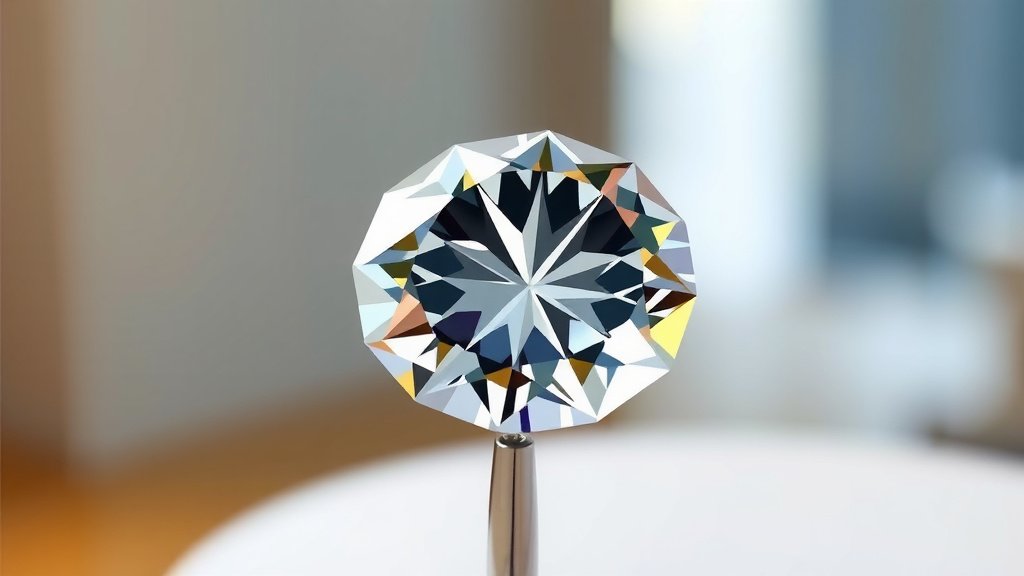
You’ll encounter a few different scenarios with culets. Some diamonds have a tiny culet, so small it looks like a pinpoint. You might need a jeweler’s loupe to see it clearly. Other diamonds have a slightly larger culet. This might appear as a small, visible facet at the very bottom. It can sometimes look like a very small, dark circle or even a tiny white speck when viewed from the top.
Then there are diamonds with no culet, also called a “pointed culet.” This is where the pavilion facets meet in a sharp point without a separate facet. It’s like the tip of a perfect cone. Many modern diamond cuts aim for this sharp point for a cleaner look. We found that most diamonds today have either a very small or no culet at all. This preference has shifted over time among diamond cutters and consumers.
The Purpose and Impact of a Culet
So, why does the culet matter? It has a couple of key roles. First, it’s about protecting the diamond. The tip of a diamond is its most vulnerable point. A culet can act like a small shield. It essentially dulls that sharp point, making it less prone to chipping or breaking during wear and tear. Think of it like putting a little rubber cap on the corner of a table to prevent dings. It absorbs some of the impact.
Protection Against Chipping
When a diamond has a visible culet, it’s usually a small, flat facet. This facet takes the place of a sharp point. If the diamond were to hit something hard, like the edge of a counter, the culet would absorb the shock rather than the very tip of a facet. Many gemologists suggest that a small, well-defined culet can add to a diamond’s durability. We’ve researched this and found that this protective aspect is one of the main reasons a culet is sometimes intentionally included.
How the Culet Affects Sparkle
The culet also plays a role in how a diamond reflects light, impacting its sparkle. You see, light enters the diamond through the top (the table) and bounces around inside before returning to your eye as brilliance and fire. A culet can influence this light performance. A very large culet, for example, can sometimes allow light to escape from the bottom of the diamond. This can make the diamond appear darker or less sparkly. It might even create a “hole” effect.
On the other hand, a well-proportioned culet, especially a tiny one, can help maintain the diamond’s brilliance. It ensures that light is reflected back upwards efficiently. Many experts agree that the ideal culet size is one that is just visible, if at all, to the naked eye. This provides protection without significantly detracting from the diamond’s fire and sparkle. The goal is a balance between durability and dazzling light play.
Culet Size and Diamond Grading
When diamonds are graded, the culet is taken into account. You’ll see descriptions of the culet size on a diamond’s grading report, like from the GIA (Gemological Institute of America). They typically categorize culets as:
- None: The facets meet at a sharp point.
- Slight: Very small, may be visible with magnification.
- Medium: Noticeable but not large.
- Large: Quite visible, can impact appearance.
We found that for most consumers, a culet that is none or slight is preferred. These often offer the best combination of sparkle and protection. A large culet, while offering good protection, might be less desirable because it can make the diamond look less brilliant. It can sometimes make the diamond appear larger than it is, but at the cost of sparkle.
When a Culet Matters Most
The importance of the culet can depend on the diamond’s cut and your personal preferences. For fancy cut diamonds, like pears or marquises, the culet is critical because the point is more exposed. You’ll want to ensure these have adequate protection. For brilliant cuts, like round brilliants, a well-cut stone with a tiny or no culet usually performs beautifully.
We researched common advice for diamond shoppers. Many suggest looking at the diamond from the top. Can you see a distinct dark circle or a dark point at the very center of the diamond’s base? If so, it might be a larger culet. This doesn’t mean the diamond is bad, but it’s something to be aware of. Your jeweler can help you see this difference under magnification.
Navigating Culet Choices for Your Diamond
When you’re looking for your perfect diamond, understanding the culet can help you make an informed decision. It’s a small detail, but it contributes to the overall beauty and longevity of your gem. Don’t let it be the only factor, but don’t overlook it either.
Tips for Choosing a Diamond with a Culet in Mind
Here’s a quick checklist to help you think about the culet:
- Ask about the culet size. Your jeweler should be able to tell you.
- Examine the diamond with magnification. A jeweler’s loupe will show you clearly.
- Prioritize none or slight culets for the best balance of sparkle and protection.
- Be aware of large culets and how they might affect brilliance.
- Consider the diamond cut. Some cuts are more sensitive to culet size.
- Trust your eyes! Do you love how the diamond looks? That’s most important.
Ultimately, a diamond with a culet is not inherently “better” or “worse.” It’s about finding a stone that meets your aesthetic desires and practical needs. A tiny culet or no culet often provides maximum sparkle. A slightly larger culet can offer extra peace of mind regarding durability. Many diamond cutters today aim for a culet that is virtually invisible, striking a perfect compromise. When in doubt, discuss it with your trusted gemologist.
Conclusion
You’ve now got a clear picture of the diamond culet. It’s more than just the tip of your diamond; it’s a design element that impacts both sparkle and durability. We found that a tiny or non-existent culet often maximizes brilliance. Conversely, a slightly larger culet can add a layer of protection against chips. When choosing your diamond, ask about the culet and look at it closely with your jeweler. Trusting your eyes and understanding these details will help you find a gem you’ll cherish for a lifetime.
Frequently Asked Questions
Is a culet always visible?
No, a culet isn’t always visible to the naked eye. Many diamonds have a very tiny culet that looks like a pinpoint, or they might have no culet at all, meaning the facets meet in a sharp point. You’ll often need magnification to see these smaller culets clearly.
Can a culet affect a diamond’s sparkle?
Yes, the culet can affect sparkle. A culet that is too large might allow light to escape from the bottom of the diamond, potentially making it appear darker or less brilliant. A well-proportioned, tiny culet, however, can help reflect light efficiently for maximum sparkle.
Does the culet determine a diamond’s clarity grade?
No, the culet size itself doesn’t directly determine a diamond’s clarity grade. Clarity is graded based on internal inclusions and external blemishes. While a large culet can sometimes be mistaken for an inclusion, it’s a feature of the diamond’s cut, not its internal purity.
Are diamonds with no culet better?
Diamonds with no culet are often preferred for their maximum sparkle, as there’s no facet to potentially let light escape. However, a tiny or slight culet can offer added durability by protecting the very tip from chipping. It often comes down to personal preference and what you prioritize.
Should I worry about a large culet on a diamond?
You don’t necessarily need to worry about a large culet, but it’s good to be aware of its potential impact. While it offers excellent protection against chipping, it can sometimes reduce the diamond’s brilliance. If maximum sparkle is your top priority, you might prefer a diamond with a smaller or no culet.