What is Moissanite: Your Guide to This Diamond Alternative
Moissanite is a lab-created gemstone that looks remarkably like a diamond. It’s made from silicon carbide, giving it incredible brilliance and fire. Many people choose moissanite as an ethical and affordable diamond alternative for jewelry.
While it’s often mistaken for a diamond, moissanite is actually a unique mineral all its own. Its sparkle is even more intense than a diamond’s. We found that its hardness also makes it a durable choice for everyday wear.
- Moissanite is a lab-created gemstone.
- It’s made of silicon carbide, not carbon like a diamond.
- It’s known for its extreme sparkle and durability.
- It’s a popular, budget-friendly alternative to diamonds.
Ready to learn more about this dazzling stone? Below, we break down exactly what moissanite is and why it’s become so popular.
Understanding Moissanite: A Dazzling Diamond Alternative
You might be wondering, “What exactly is moissanite?” It’s a fascinating gemstone that often gets compared to diamonds. But moissanite isn’t just a diamond simulant; it’s a gemstone with its own unique qualities and origins. We found that understanding these differences helps you appreciate this brilliant stone even more.
The Science Behind the Sparkle: What is Moissanite Made Of?
At its core, moissanite is made of silicon carbide. This is a compound that’s very different from diamond’s composition of pure carbon. Moissanite was first discovered in the late 1800s by a French scientist named Henri Moissan. He found tiny amounts of this mineral in a meteorite crater. This natural form is extremely rare, so almost all moissanite used in jewelry today is created in a lab. We found that the lab-creation process allows for consistent quality and larger stones.
Moissanite vs. Diamond: Key Differences
While moissanite and diamonds share a similar sparkling appearance, they have distinct properties. Think of it like comparing a high-quality photograph to a live performance – both can be beautiful, but they offer different experiences.
Composition and Origin
As we mentioned, diamonds are pure carbon. Moissanite, on the other hand, is silicon carbide. This fundamental difference affects everything else about the stone. We found that diamonds are mined from the Earth, while moissanite is lab-grown, making it an ethical choice for many consumers.
Hardness and Durability
When it comes to durability, both stones are excellent for everyday wear. Diamonds rank a 10 on the Mohs scale of hardness. Moissanite is right behind them, scoring a 9.25 on the Mohs scale. Many experts say this makes moissanite incredibly tough and resistant to scratching. You can confidently wear moissanite jewelry without constant worry about damage.
Brilliance and Fire
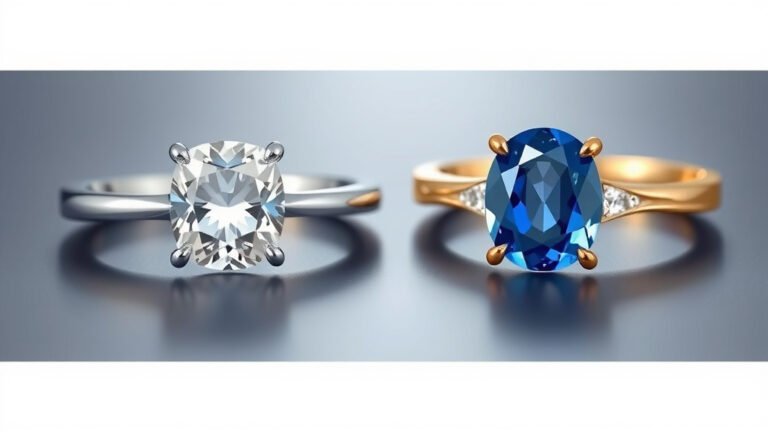
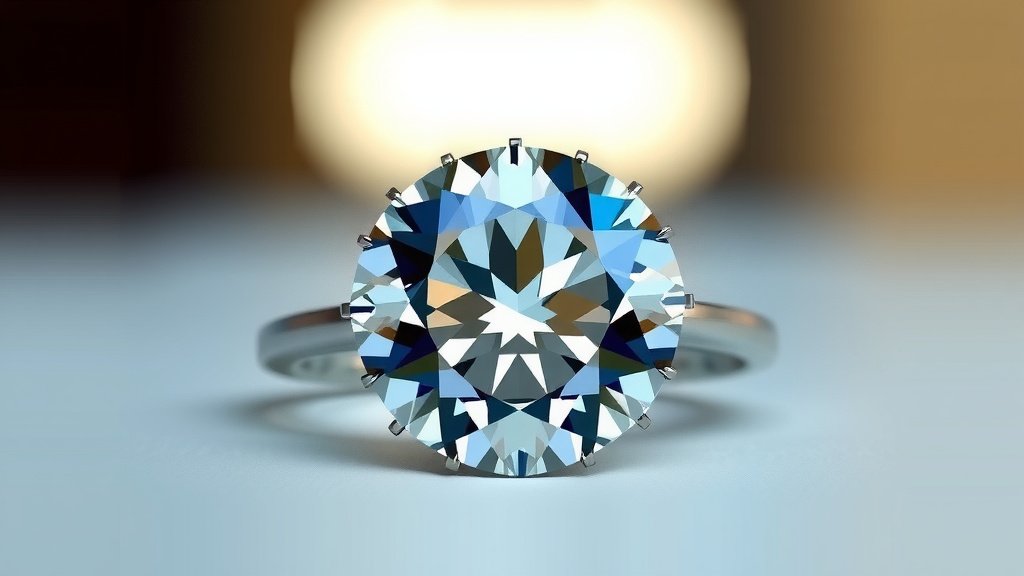
This is where moissanite truly shines, sometimes literally more than a diamond! Moissanite has a higher refractive index than a diamond. This means it bends light more, creating more sparkle. It also exhibits “fire,” which is the colorful flash of light you see. Moissanite’s fire is often more intense and multi-colored than a diamond’s. We found that this “disco ball” effect is a signature characteristic that many people adore.
Color
Diamonds are graded on a color scale from D (colorless) to Z (light yellow or brown). While pure moissanite can be colorless, the manufacturing process can sometimes leave a slight tint. As a result, most moissanite gems appear slightly warmer than a perfect D-color diamond. However, modern moissanite is often graded as near-colorless. We found that many consumers don’t notice any color difference. For those who want the whitest possible stone, there are “colorless” options available.
Clarity
Both diamonds and moissanite can have natural inclusions or flaws that affect their clarity. Because moissanite is made in a lab, jewelers can control the clarity during the creation process. This often results in moissanite stones with fewer internal imperfections. We found that most moissanite is graded as eye-clean, meaning you can’t see any flaws without magnification.
The Moissanite Creation Process
Creating moissanite in a lab involves a sophisticated thermal purification process. Silicon carbide crystals are grown under carefully controlled conditions. This ensures a high-quality, brilliant gemstone. We found that this controlled environment is key to producing consistent and beautiful stones. It’s a fascinating blend of science and artistry.
Why Choose Moissanite?
Moissanite has surged in popularity for several compelling reasons. It’s a fantastic option for engagement rings and other fine jewelry. Let’s look at why it appeals to so many.
Affordability
This is a big one for many people. Moissanite offers a fraction of the cost of a diamond of comparable size and quality. This allows you to get a larger, more brilliant stone within your budget. We found that this cost-effectiveness is a major draw for couples planning weddings.
Ethical and Sustainable Sourcing
Since moissanite is lab-created, it bypasses the environmental and ethical concerns sometimes associated with mined diamonds. There are no issues with conflict minerals or exploitative labor practices. Many consumers feel good about choosing a stone that is conflict-free and environmentally responsible. We found that this is increasingly important to shoppers today.
Exceptional Sparkle and Beauty
The intense brilliance and fire of moissanite are undeniable. If you love a stone that truly catches the light and flashes with color, moissanite delivers. It’s a dazzling choice that stands out. We found that its unique sparkle is often a highlight when people see it in person.
Moissanite for Every Occasion
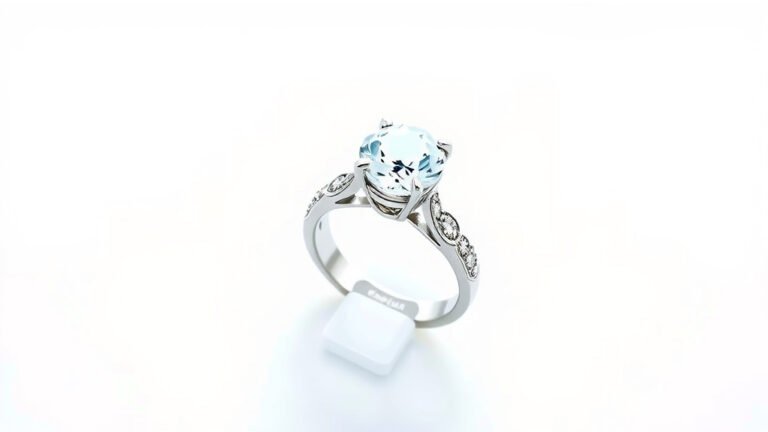
Whether you’re looking for an engagement ring, a stunning pair of earrings, or a unique pendant, moissanite is a versatile choice. Its durability makes it perfect for rings worn daily. Its dazzling beauty ensures it will be a conversation starter.
Here’s a quick rundown of what makes moissanite a great choice:- It’s incredibly sparkly.
- It’s very durable for daily wear.
- It’s a budget-friendly option.
- It’s ethically sourced and lab-created.
- It offers a unique fire and brilliance.
- It’s a beautiful and responsible jewelry choice.
Conclusion
You’ve learned that moissanite is a stunning, lab-created gemstone with its own unique brilliance. It offers a dazzling sparkle, often even more intense than a diamond’s, thanks to its high refractive index. We found its 9.25 Mohs hardness makes it incredibly durable for everyday wear. Choosing moissanite means you’re opting for an ethical, affordable, and beautiful jewelry piece. If you’re drawn to its exceptional fire and want a gemstone that aligns with conscious consumerism, moissanite is an excellent choice. Take the next step by exploring moissanite jewelry to see its captivating beauty for yourself.
Frequently Asked Questions
Is moissanite as hard as a diamond?
Moissanite is exceptionally hard, ranking 9.25 on the Mohs scale. While diamonds are a perfect 10, moissanite is still considered very durable. We found it’s tough enough to withstand daily wear and resist scratches effectively.
Will moissanite look fake next to a diamond?
Moissanite has a distinct brilliance and fire that can be more pronounced than a diamond’s. We found its colorful sparkle is a signature characteristic that many people adore. While similar, it has its own unique visual appeal.
Is moissanite a good choice for an engagement ring?
Absolutely. Moissanite is a fantastic choice for engagement rings due to its durability, incredible sparkle, and affordability. You can often get a larger and more brilliant stone for your budget. We found many couples choose it for these reasons.
Does moissanite come in different colors?
Moissanite can be found in a range of colors. While most popular for its near-colorless appearance, it can also be produced in warmer tones or even fancy colors. We found that colorless and near-colorless options are most common for jewelry.
How is moissanite different from cubic zirconia?
The primary difference lies in their composition and durability. Moissanite is silicon carbide, making it much harder and more brilliant than cubic zirconia, which is a zirconium oxide compound. We found that moissanite also possesses more fire and sparkle.