14k vs 18k Gold Rings: What’s the Difference
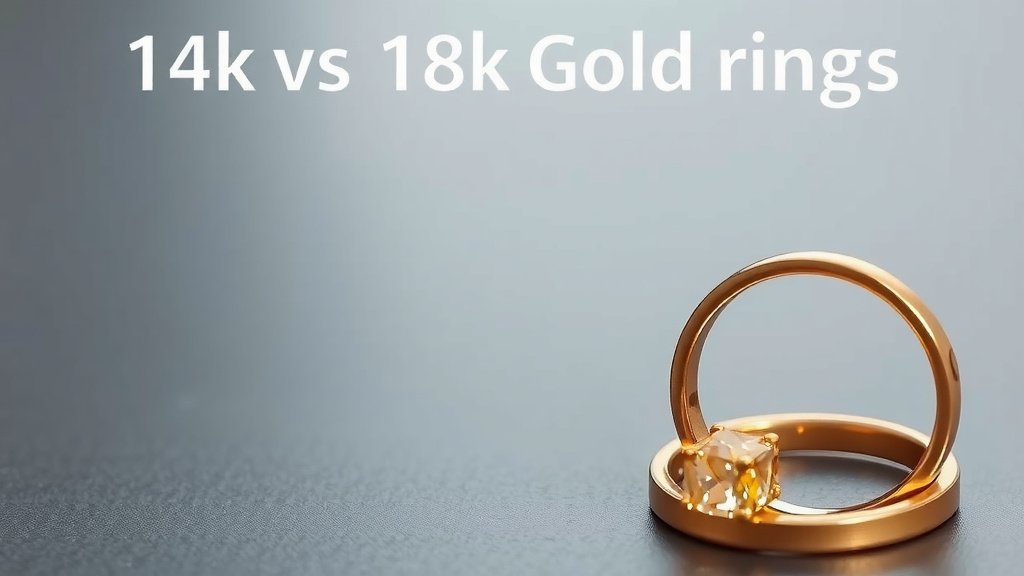
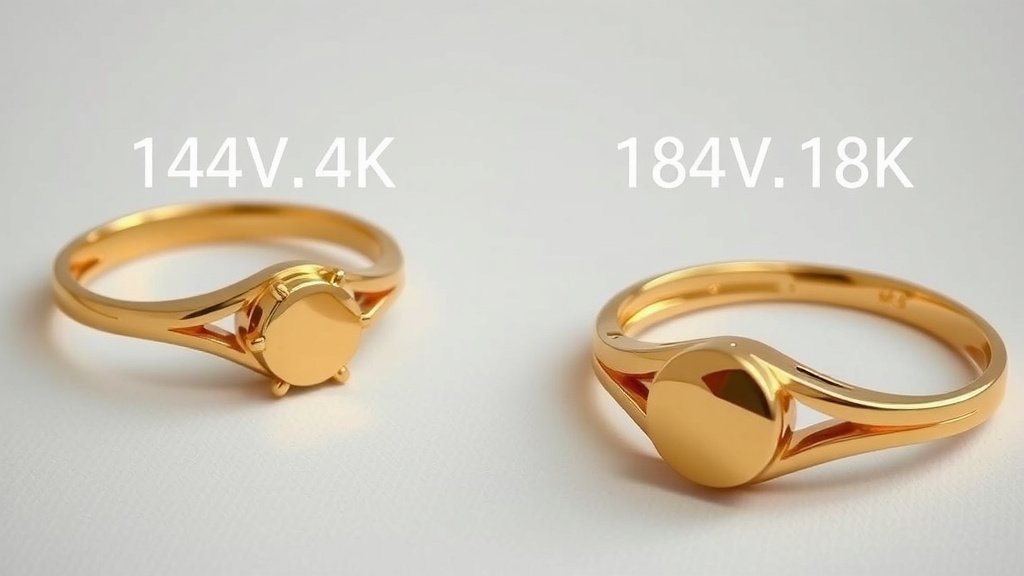
Choosing between 14k and 18k gold for your ring depends on your priorities: durability and price versus richness of color and purity. 14k gold is a fantastic everyday choice because it’s more resistant to scratches and dents. 18k gold offers a deeper, more luxurious yellow hue and contains more pure gold, making it a popular option for special occasion jewelry.
Both 14k and 18k gold are high-quality choices for rings, offering beauty and longevity. The key difference lies in their gold purity, which affects their color, durability, and price point. We found that understanding this purity level helps you make the best decision for your budget and lifestyle needs.
- 14k gold: 58.3% pure gold, more durable for daily wear, generally more affordable.
- 18k gold: 75% pure gold, richer color, softer, more expensive.
- The karat (k) system measures gold purity.
- Consider your lifestyle and how often you’ll wear the ring.
Let’s break down the differences between 14k and 18k gold rings so you can choose the perfect one for you.
Understanding Your Gold Ring Options: 14k vs. 18k
You’re looking at gold rings and keep seeing “14k” and “18k.” What’s the real difference between them? We’ve broken it down for you. The main distinction lies in the purity of the gold. This purity affects how the ring looks, how it holds up over time, and, of course, the price tag.
What Does “Karat” Actually Mean?
You might be wondering what that “k” stands for. It refers to the karat system, which measures the purity of gold. Think of it like a percentage scale, but with a specific total. Pure gold is 24 karats (24k). This is the highest possible purity, meaning it’s 100% gold. However, pure gold is quite soft and can easily get scratched or bent.
The Purity Breakdown
Jewelers mix pure gold with other metals, like copper, silver, or zinc. This process is called alloying. It makes the gold stronger and more durable for everyday wear. This is where the different karats come into play. We found that understanding these percentages helps you see why one might be better for your needs than the other.
- 14k gold is 14 parts gold out of 24 total parts. This means it’s 58.3% pure gold.
- 18k gold is 18 parts gold out of 24 total parts. This means it’s 75% pure gold.
Durability: How Well Will It Last?
When you’re picking out a ring, especially one you plan to wear often, durability is a big factor. You want it to look beautiful for years to come without showing too much wear and tear. We’ve found that the amount of alloy metals in the gold plays a key role here.
14k Gold: The Everyday Champion
Because 14k gold has a higher percentage of added metals (41.7%), it’s significantly harder and more durable than 18k gold. This makes it an excellent choice for active lifestyles. Think about it: if your hands are always busy, you want a ring that can keep up. Many experts suggest 14k gold for engagement rings and wedding bands precisely for this reason (Jewellers Association of Australia).
You’ll likely notice fewer scratches and dents on a 14k gold ring over time. It’s less prone to bending or losing its shape. If you’re someone who works with their hands or just tends to be a bit rough on your jewelry, 14k is a really practical, smart choice.
18k Gold: A Softer, Richer Touch
With 75% pure gold, 18k gold is naturally softer than 14k. This means it can be more susceptible to scratches and dings. You’ll need to be a bit more careful with your 18k gold jewelry. It’s less ideal for very active daily wear, especially for rings that might bump into things often.
However, this softness also allows for more detailed and intricate metalwork. Some jewelers prefer working with 18k gold for its malleability. While it’s softer, the higher gold content can sometimes make minor scuffs less visible than on harder metals.
Color and Appearance: The Richness Factor
The visual difference between 14k and 18k gold is noticeable, especially if you’re looking for that classic, warm yellow gold hue. This is a major reason why some people gravitate towards one over the other.
18k Gold: Deeper, More Luxurious Yellow
Because 18k gold contains more pure gold, it has a richer, more intense yellow color. Pure gold is naturally a very deep yellow. When you alloy it with other metals, that color naturally lightens and can shift slightly. The 75% gold in 18k offers a color that many people associate with pure luxury and high value.
14k Gold: Brighter, More Versatile Hues
14k gold, with its 58.3% gold content, will have a slightly lighter and sometimes paler yellow color compared to 18k. The specific color can also depend on the exact alloy metals used. For example, a 14k rose gold will look different than an 18k rose gold, and the same goes for white and yellow gold. We found that many people find the 14k yellow gold color to be very pleasing and it’s often considered a bit brighter.
Price Point: What’s Your Budget?
This is often a deciding factor for many buyers. When comparing 14k and 18k gold, price is a clear differentiator. This difference is directly tied to the gold content.
18k Gold: The Premium Price Tag
Since 18k gold has a higher percentage of pure gold (75%), it is more expensive than 14k gold. You are essentially paying for more of the precious metal itself. If your budget is a primary concern, this higher cost might steer you towards 14k.
14k Gold: The Budget-Friendly Beauty
On the other hand, 14k gold is more affordable because it contains less pure gold (58.3%) and more alloy metals. This makes it a fantastic option if you want the beauty of gold without the higher price tag of 18k. Many sources highlight that 14k offers excellent value for its appearance and durability (GIA).
Hypoallergenic Properties: Who Is Sensitive?
If you or your partner have sensitive skin, the metal composition of a ring becomes very important. Allergic reactions to jewelry are usually caused by the alloy metals, not the pure gold itself.
18k Gold: Generally Better for Sensitive Skin
With a higher proportion of pure gold, 18k gold has fewer alloy metals. This makes it less likely to cause allergic reactions. For individuals with metal sensitivities, 18k gold is often recommended by dermatologists (American Academy of Dermatology Association). This is because the lower percentage of metals like nickel or copper reduces the risk of irritation.
14k Gold: Potential for Sensitivity
The higher concentration of alloy metals in 14k gold (about 41.7%) means there’s a greater chance of a reaction for those with very sensitive skin. Nickel is a common culprit for allergic contact dermatitis. If sensitivity is a concern, we recommend discussing it with your jeweler or doctor.
Making Your Final Choice: A Quick Checklist
Deciding between 14k and 18k gold doesn’t have to be overwhelming. Think about what matters most to you in a ring. We found that a few key questions can help guide your decision.
- How often will you wear it? Daily wear suggests 14k for durability. Special occasions might favor 18k for color.
- What’s your budget? 14k is more affordable, while 18k is a premium choice.
- How important is the exact shade of yellow? 18k offers a deeper, richer hue.
- Do you have sensitive skin? 18k is generally better for allergies.
- What’s your lifestyle like? Active lifestyles benefit from 14k’s toughness.
Conclusion
You’ve learned that the choice between 14k and 18k gold rings really comes down to your personal needs. 14k gold is your go-to for daily wear, offering excellent durability and a more budget-friendly price. It’s tough enough for an active lifestyle. On the other hand, 18k gold provides that richer, deeper yellow color and higher purity, making it a luxurious pick for special pieces. Consider your lifestyle and priorities carefully. Now that you know the differences, you’re ready to select the perfect gold ring that you’ll love for years to come.
Frequently Asked Questions
Which gold is better for sensitive skin, 14k or 18k?
Generally, 18k gold is better for sensitive skin. It contains a higher percentage of pure gold (75%) and fewer alloy metals like nickel or copper, which are common causes of allergic reactions. While 14k gold is still a good option for many, those with very sensitive skin might find 18k gold more comfortable.
Will 14k gold scratch more easily than 18k gold?
No, 14k gold is actually more durable and less likely to scratch than 18k gold. The higher content of alloy metals in 14k gold makes it harder and more resistant to dents and wear. 18k gold, being softer due to its higher pure gold content, can show scratches more readily.
Does 18k gold look noticeably more yellow than 14k gold?
Yes, 18k gold has a richer, deeper yellow hue compared to 14k gold. Pure gold is a very intense yellow, and 18k gold (75% pure gold) is closer to that natural color. 14k gold (58.3% pure gold) will appear a slightly lighter or brighter yellow because it contains more alloy metals.
Is 14k gold a good choice for an engagement ring?
Yes, 14k gold is an excellent choice for an engagement ring, especially if durability is a priority. Its increased hardness makes it ideal for everyday wear, protecting the ring from scratches and dings that can occur during daily activities. It also offers a beautiful gold appearance at a more accessible price point.
Can I get 14k or 18k gold in white or rose colors?
Absolutely! Both 14k and 18k gold can be alloyed to create white gold and rose gold. The process involves mixing pure gold with different metals to achieve the desired color. For example, white gold typically includes palladium or nickel, while rose gold uses copper to achieve its pinkish hue. The karat number still indicates the gold purity, regardless of the color.