What Is Cubic Zirconia? Your Complete Guide
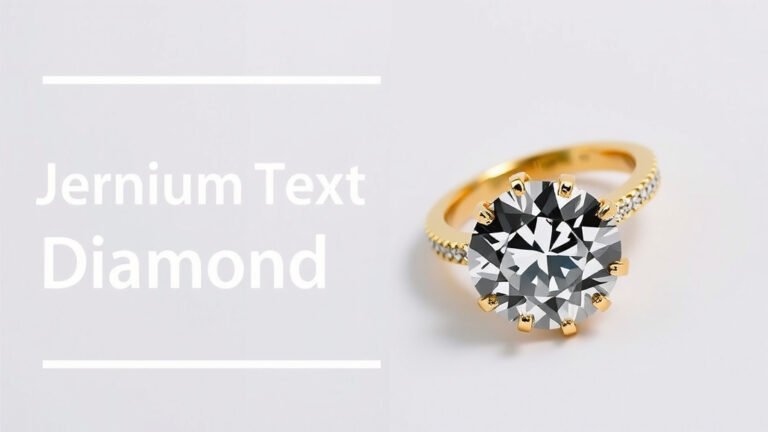
Cubic zirconia, often called CZ, is a man-made gemstone. It’s designed to look like a diamond but is far more affordable. CZ is popular because it’s sparkly and durable for everyday wear.
Many people wonder if CZ is a real gemstone. While it’s not mined from the earth like diamonds, it’s a real mineral composed of zirconium dioxide. It’s a popular choice for jewelry because it mimics the fire and brilliance of a diamond without the high cost. Think of it as a smart, beautiful alternative.
- Cubic zirconia is a lab-created stone.
- It’s designed to resemble diamonds visually.
- CZ is much less expensive than diamond.
- It’s a popular and durable choice for jewelry.
Let’s dive deeper into what makes cubic zirconia such a popular diamond simulant and answer all your burning questions about it.
“`htmlUnderstanding Cubic Zirconia as a Gemstone Alternative
You’re likely wondering if cubic zirconia (CZ) is a ‘real’ gemstone. While it doesn’t form deep within the Earth like diamonds, it is a real, stable mineral. CZ is essentially a laboratory-created crystalline form of zirconium dioxide. Think of it like growing a crystal in a controlled environment, rather than finding one. This controlled creation process allows for a stone that is remarkably similar in appearance to a diamond.
The key takeaway is that CZ is not a diamond. It’s a separate, distinct material. We understand the confusion because it’s designed to mimic diamond’s beauty. It’s a popular choice because it offers diamond-like sparkle at a fraction of the price. Many people are drawn to its visual appeal without the investment cost of a natural diamond.
The Science Behind Cubic Zirconia
So, how do they actually make this sparkly stuff? It’s a fascinating process that involves high temperatures and specific ingredients. The resulting crystals are then cut and polished just like diamonds.
Creating the Crystals
The process begins with zirconium dioxide powder. This powder is melted at very high temperatures, typically exceeding 2,750 degrees Celsius (about 4,990 degrees Fahrenheit). This intense heat causes the powder to transform into a molten liquid. While molten, stabilizers are added. These stabilizers are crucial for the crystal structure to form correctly. Without them, the zirconium dioxide wouldn’t form a stable, transparent crystal.
Adding Color (or Not!)
Pure cubic zirconia is actually colorless, just like a high-quality diamond. However, CZ can be made in a wide spectrum of colors. This is achieved by adding different metal oxides during the melting stage. For example, a tiny amount of iron oxide can create a yellow or brown hue. Adding chromium oxide can produce green, while cobalt oxide results in blue. This versatility makes CZ appealing for creating various jewelry designs.
Cutting and Polishing
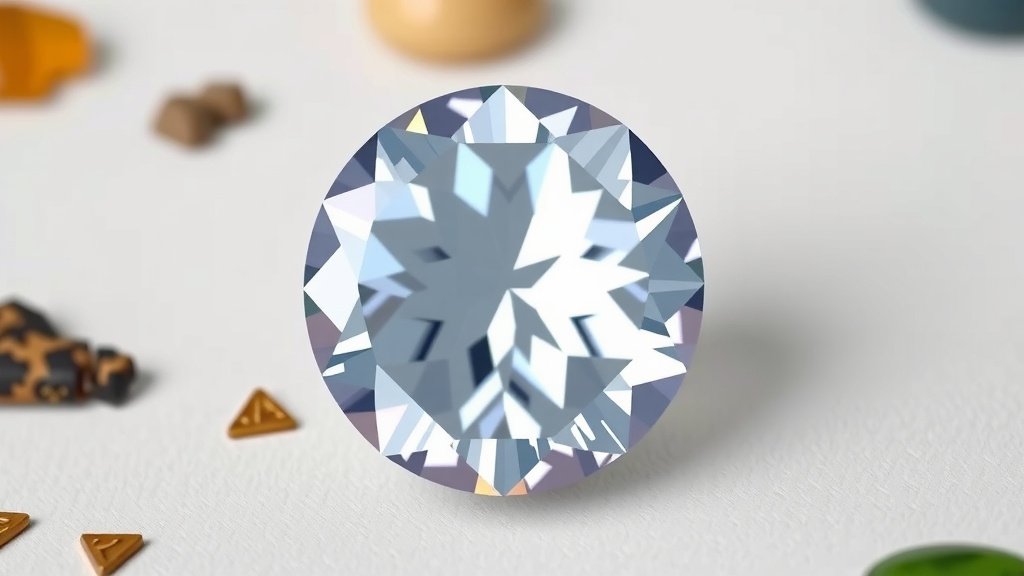
Once the crystals have formed and cooled, they are cut. Jewelers use specialized machines to cut CZ stones into various shapes, such as round brilliant, princess, oval, and pear. The facets are carefully angled to maximize light reflection and brilliance. After cutting, the stones are polished to a high shine. This final polishing step is what gives CZ its characteristic sparkle.
Cubic Zirconia vs. Diamond: What’s the Difference?
This is where things get interesting for consumers. While they look similar, there are fundamental differences. Understanding these will help you make informed choices about your jewelry.
Hardness and Durability
One of the biggest distinctions is hardness. Diamonds are the hardest known natural substance, rating a 10 on the Mohs scale of mineral hardness. Cubic zirconia, while quite durable, rates around 8 to 8.5 on the Mohs scale. This means it’s softer than a diamond. While it holds up well to daily wear, it can be more prone to scratching or chipping over extended periods compared to a diamond.
For everyday jewelry, CZ’s hardness is generally sufficient. We found that most people who wear CZ rings daily notice minor abrasions after several years. However, for a stone that will be passed down through generations, a diamond is typically preferred due to its superior durability.
Brilliance and Fire
Both diamonds and CZ are known for their sparkle. However, they sparkle differently. Brilliance refers to the white light reflected from the stone. Fire is the colorful sparkle or ‘rainbow’ effect. CZ actually has a higher refractive index than diamond. This means it can bend light more, resulting in more fire or ‘flashes’ of color. Some people love this extra colorful sparkle, while others find it can look a bit too flashy or artificial compared to a diamond’s more balanced brilliance and fire.
Density and Weight
Did you know that CZ is denser than diamond? This means that a cubic zirconia stone will weigh more than a diamond of the same size. For example, a 1-carat diamond is roughly the same size as a 1.3 to 1.4-carat CZ. This difference is usually not noticeable to the naked eye, but it’s a scientific distinction.
Thermal Conductivity
Diamonds are excellent conductors of heat, while cubic zirconia is an insulator. Jewelers often use a diamond tester that measures thermal conductivity to distinguish between the two. This is a quick and reliable way for professionals to identify a diamond.
Cost Comparison
This is often the deciding factor for many. Diamonds are significantly more expensive than cubic zirconia. The price of a diamond is influenced by its cut, color, clarity, and carat weight (the 4 Cs), as well as its rarity. Cubic zirconia, being lab-created and more abundant, is thousands of times less expensive than a diamond of comparable size and appearance.
Here’s a quick look at how they stack up:
| Feature | Cubic Zirconia | Diamond |
|---|---|---|
| Mohs Hardness | 8-8.5 | 10 |
| Refractive Index (Sparkle) | 2.15-2.18 | 2.42 |
| Dispersion (Fire) | 0.058-0.066 | 0.044 |
| Density | 5.6-6.0 g/cm³ | 3.52 g/cm³ |
| Price | Very Affordable | Expensive |
| Origin | Lab-created | Natural (mined) |
Why Choose Cubic Zirconia?
Given the differences, why do so many people opt for CZ? The reasons are practical and personal.
- Affordability: This is the most compelling reason. You can get the look of a diamond ring without the hefty price tag.
- Ethical Sourcing: As a lab-created stone, CZ avoids concerns about conflict diamonds or the environmental impact of mining.
- Versatility: Available in countless colors and shapes, CZ allows for creative jewelry designs. You can experiment with trends without a major financial commitment.
- Hypoallergenic Options: While CZ itself isn’t the issue, the metal setting can be. Many CZ pieces come in hypoallergenic metals like sterling silver or surgical stainless steel, making them great for sensitive skin.
Caring for Your Cubic Zirconia Jewelry
To keep your CZ sparkling, a little care goes a long way. Because CZ is slightly softer than diamond, you want to protect it from harsh chemicals and impacts.
- Clean Regularly: Use a soft brush and a mild soap-and-water solution to gently clean your jewelry.
- Avoid Chemicals: Remove your CZ jewelry before swimming, cleaning, or applying lotions and perfumes. Chemicals can dull the stone’s shine over time.
- Store Properly: Keep your CZ pieces separate from other jewelry to prevent scratches. A soft pouch or a lined jewelry box works well.
- Be Mindful of Wear: While durable for daily wear, be extra careful during activities that could lead to impacts or scratches.
Think of it like this: you wouldn’t wear your most delicate silk dress to go rock climbing, right? Similarly, treating your CZ jewelry with a bit of care will help maintain its beauty for years to come.
The Popularity of Cubic Zirconia Today
The market for diamond simulants, with CZ leading the pack, has grown tremendously. Many consumers now see CZ as a smart and stylish choice. It allows people to enjoy beautiful, sparkly jewelry that fits their budget. From engagement rings and wedding bands to everyday fashion pieces, CZ offers a dazzling option.
It’s a testament to modern science that we can create such beautiful materials affordably. So, if you’re looking for a brilliant, eye-catching stone that won’t break the bank, cubic zirconia is definitely worth considering.
Quick Checklist for CZ Jewelry Buyers
- Check the Stone’s Hardness: Remember CZ is 8-8.5 on Mohs, not 10.
- Look for Fire: Expect more colorful flashes than a diamond.
- Consider the Price: It should be significantly lower than diamond.
- Examine the Setting: Ensure the metal is of good quality and comfortable.
- Understand Durability: It’s durable but requires gentle care.
- Know It’s Lab-Made: It’s a manufactured mineral, not mined.
Conclusion
You’ve learned that cubic zirconia is a beautiful, lab-created gemstone designed to mimic diamond. It offers incredible sparkle and durability for everyday wear at a price point that makes dazzling jewelry accessible. While it has a lower hardness and different optical properties than diamond, its affordability and ethical sourcing make it a smart choice for many. Now that you understand CZ, you can confidently shop for pieces that fit your style and budget. Consider visiting a reputable jeweler or exploring online collections to find your perfect CZ piece today.
Frequently Asked Questions
Is cubic zirconia a ‘real’ stone?
Yes, cubic zirconia is a real, stable mineral. It’s a laboratory-created crystalline form of zirconium dioxide. Think of it like growing a perfect crystal in a controlled environment, rather than finding one naturally.
How is cubic zirconia different from a diamond in terms of durability?
Cubic zirconia rates around 8 to 8.5 on the Mohs hardness scale, while diamonds rate a 10. This means CZ is softer and can be more prone to scratching or chipping over time with constant wear compared to a diamond.
Why does cubic zirconia sometimes look ‘too sparkly’ or flashy?
CZ has a higher refractive index than diamond, meaning it bends light more. This often results in more intense flashes of colorful fire, which some find can appear more ‘artificial’ or flashy than a diamond’s balanced brilliance.
Can I wear my cubic zirconia jewelry every day?
For most everyday wear, cubic zirconia is durable enough. However, to maintain its sparkle and prevent damage, it’s best to be mindful during strenuous activities or when exposed to harsh chemicals.
How can a jeweler tell if a stone is cubic zirconia or diamond?
Jewelers often use tools like a diamond tester, which measures thermal conductivity. Diamonds conduct heat very well, while CZ is an insulator. This quick test is a reliable way to distinguish between the two.