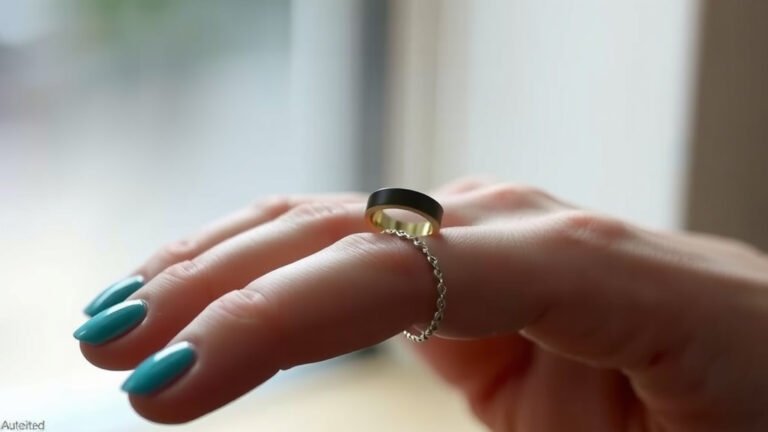
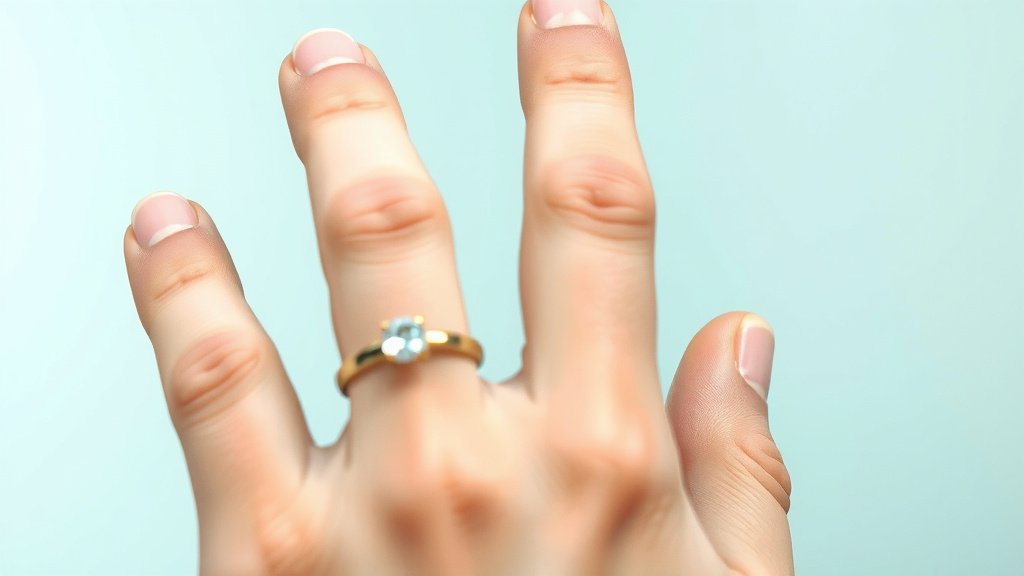
Why Rings Turn Fingers Green: The Science Explained
Does your favorite ring leave a mysterious green mark on your finger? Rings turn your finger green because of a chemical reaction between the metal in the ring and your skin’s natural oils, sweat, and lotions. This is perfectly normal and usually harmless, though it can be a bit unsightly!
This color change happens most often with rings made from alloys like copper or sterling silver. These metals contain elements that can oxidize when exposed to moisture and air. The resulting compounds are what create that tell-tale green or sometimes bluish smudge on your skin. Don’t worry, it doesn’t mean your ring is bad or your skin is dirty!
- The green color comes from a reaction between metals and your skin.
- It’s caused by oxidation of metals like copper or sterling silver.
- This reaction is usually harmless.
- It’s often seen when wearing certain types of jewelry regularly.
Let’s find out exactly why this happens and what you can do about it.
Understanding That Green Finger Phenomenon
So, you’ve noticed that green or bluish tint on your finger after wearing a ring. It’s a common sight, and you’re probably wondering what’s going on. Don’t worry, it’s usually not a sign of anything serious. This color change is simply the result of a chemical reaction. Your skin, the ring metal, and the environment all play a part in this common jewelry quirk.
The Science Behind the Smudge
At its core, this green marking is about oxidation. Metals, especially certain alloys, can react with substances on your skin. Think of it like an apple turning brown after you cut it. That’s oxidation too! Your ring is no different when exposed to the right conditions. The metal doesn’t disappear; it just changes its form.
What Exactly is Oxidizing?
The most common culprits are metals like copper and sterling silver. These aren’t usually pure metals in jewelry. Instead, they are mixed with other metals to make them stronger and more workable. Copper, in particular, is known for its tendency to oxidize. Sterling silver is 92.5% silver and 7.5% other metals, often copper, which can cause this reaction.
How Your Skin Gets Involved
Your skin is a dynamic surface. It naturally produces oils, and you sweat throughout the day. You also likely apply lotions, soaps, or perfumes. These substances can interact with the metal of your ring. When moisture and oils from your skin meet the metal, they can speed up the oxidation process. It’s this interaction that creates the colored compounds.
Why Copper is Often the Main Character
Copper is present in many popular jewelry alloys, like brass (copper and zinc) and even sterling silver. It’s added for durability and affordability. When copper oxidizes, it forms copper salts. These salts are typically green or blue. So, when you see that green smudge, you’re likely seeing a form of copper salt created right on your finger!
It’s Not About Purity
It’s easy to think that a cheaper metal might be the cause. While pure gold and platinum are less likely to cause this, many everyday rings aren’t made of these precious metals. Even higher-karat gold alloys can sometimes contain enough other metals to cause a reaction. The presence of metals like copper or nickel in an alloy is the key factor. The presence of metals like copper or nickel in an alloy is the key factor, and this is particularly relevant for metals like rose gold.
Is This Green Mark Harmful?
This is the big question for many people. The good news is that for most individuals, the green tint from ring oxidation is perfectly harmless. You’re not having an allergic reaction in the typical sense. It’s just a cosmetic change. The compounds formed are generally non-toxic. Many experts at health organizations like the Mayo Clinic state that these skin reactions are usually benign.
When to Be More Cautious
However, some people can develop a contact dermatitis from certain metals, particularly nickel. This is different from simple oxidation. If you experience itching, redness, swelling, or blistering, it’s worth investigating further. This could be an allergic reaction to a component in the ring’s alloy. In such cases, it’s best to consult a dermatologist.
Factors That Can Increase the Green Tint
Several things can make that green smudge appear more frequently or intensely. Understanding these factors can help you manage the situation. It’s not always the ring’s fault; your daily habits play a role too. The more opportunities the metal has to react, the more likely you are to see that green mark.
Moisture and Sweat: The Usual Suspects
If you tend to sweat a lot, especially on your hands, you’re more prone to seeing the green tint. This is because sweat is a moist environment that aids oxidation. Think about wearing your ring during a workout or on a hot summer day. These are prime times for the reaction to occur. Keeping your hands dry can help.
Lotions, Soaps, and Perfumes: The Unseen Contributors
The products you use on your hands can also contribute. Lotions, hand creams, soaps, and even perfumes can leave residues. These residues can react with the metal in your ring. They often contain chemicals that can accelerate the oxidation process. Try to remove your rings before applying these products.
The Ring’s Metal Alloy Matters
As we discussed, the specific metal composition of your ring is a primary factor. Rings with a higher copper content or those made from alloys containing nickel are more likely to cause the green discoloration. Even some plated jewelry can wear down, exposing the base metal that might react with your skin.
Simple Steps to Prevent or Minimize the Green Mark
You don’t have to stop wearing your favorite rings! There are several easy ways to keep that green tint from appearing on your finger. Many of these involve simple maintenance and mindful wearing habits. You can enjoy your jewelry without the unwanted side effect. Here’s a quick checklist:
- Keep your hands clean and dry before putting on rings.
- Remove rings before exercising, showering, or washing dishes.
- Avoid applying lotions or perfumes directly onto or around your rings.
- Clean your rings regularly to remove built-up oils and residues.
- Consider a clear sealant for the inside of the band if the issue persists and isn’t an allergy.
- If it’s an allergy, consult a jeweler or doctor about alternative metals.
Conclusion
So, you’ve learned that the green tint on your finger is just a sign of chemistry in action, not a sign of trouble. It’s a normal reaction from metals like copper or sterling silver mixing with your skin’s natural elements. You’re not alone in experiencing this common jewelry quirk! By understanding the science and your own habits, you can easily manage it. Keep your hands dry, remove rings during certain activities, and clean your jewelry regularly. You can continue to enjoy wearing your rings without the worry of that green smudge.
Frequently Asked Questions
Is it bad if my ring turns my finger green?
No, it’s generally not bad. This green color is usually just a cosmetic reaction called oxidation. It means the metal in your ring is reacting with your skin’s moisture and oils. For most people, it’s harmless and easily cleaned off.
How can I stop my ring from turning my finger green?
You can take a few steps to prevent it. Try keeping your hands clean and dry before wearing your ring. Remove it before exercising, showering, or applying lotions. Regularly cleaning your ring also helps remove residues that can cause the reaction.
What kind of rings are most likely to turn fingers green?
Rings made with alloys containing copper are the most common culprits. Sterling silver, which often includes copper for durability, can also cause this. Metals like brass and sometimes even plated jewelry can lead to that green tint.
Can I wear a ring with a clear sealant to prevent green fingers?
Yes, applying a clear sealant, like clear nail polish or a jewelry sealant, to the inside of the ring band can create a barrier. This stops the metal from directly touching your skin. It’s a good option if the green tint persists and you don’t suspect an allergy.
Is the green color from my ring an allergic reaction?
Usually, the green color is not an allergic reaction but a chemical one. However, if you experience itching, redness, or swelling, it could indicate a sensitivity or allergy, often to metals like nickel. If this happens, it’s best to see a doctor.