Which Gemstone Is Most Durable? A Guide to Hardness Ratings
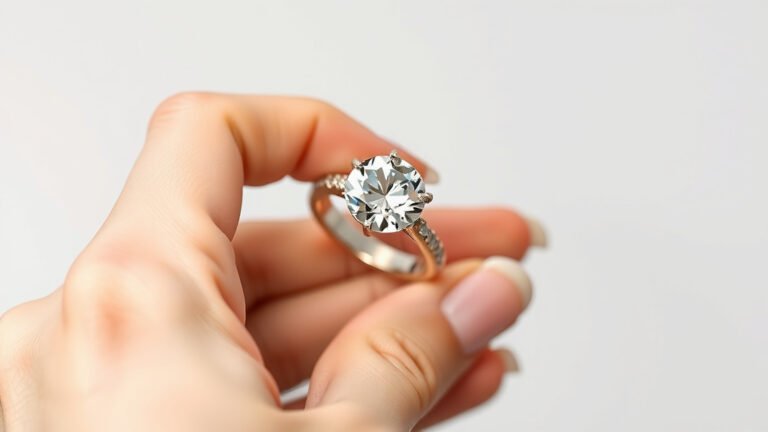
Diamond is the most durable gemstone you can buy. It sits at the top of the Mohs hardness scale with a perfect 10, which means it resists scratches better than any other gem. If you want a stone that can handle daily wear, diamonds are hard to beat.
But durability is about more than just hardness. Toughness (how well a stone resists chips and cracks) and stability (how it handles heat and chemicals) matter too. We researched the science behind gemstone durability and found that stones like sapphire, ruby, and spinel are also excellent choices, especially if a diamond isn’t in your budget. Softer stones like opal or pearl? They look gorgeous but need a gentler touch.
- Diamond is the hardest and most durable gemstone overall.
- Sapphire and ruby are nearly as tough and great for everyday rings.
- Toughness and stability matter just as much as hardness.
- Opal, pearl, and emerald rank low on durability and need extra care.
- Matching the stone to how often you’ll wear it is the smartest move.
Below, we break down everything you need to know about gemstone durability, so you can pick a stone that stays beautiful for years.
The Durability of Popular Gemstones, Ranked
If you’re choosing a stone for a ring you’ll wear every day, diamond still takes the crown. But sapphire, ruby, and spinel sit just below it, and they cost less. Here’s how the most popular gemstones stack up.
| Gemstone | Mohs Hardness | Toughness | Everyday Wear? | |
|---|---|---|---|---|
| Diamond | 10 | Good, but can chip | Yes | |
| Sapphire & Ruby | 9 | Excellent | Yes | |
| Spinel | 8 | Very good | Yes | |
| Topaz | 8 | Fair (splits easily) | Care needed | |
| Emerald | 7.5–8 | Poor (often cracked inside) | Special occasions | |
| Opal | 5–6.5 | Fragile | No | |
| Pearl | 2.5–4.5 | Very soft | No |
What Makes a Gemstone Tough Enough for Daily Wear?
Durability comes down to three traits working together. A stone can be hard but still break, so you need all three on your side.
Hardness: The Scratch Factor
Hardness measures how well a stone resists scratches. The Mohs scale runs from 1 (talc) to 10 (diamond). Sand and dust contain quartz, which sits at 7. Any gem rated 7 or lower will eventually pick up tiny scratches from everyday life. That’s why experts recommend stones rated 8 or higher for rings you never take off.
Toughness: The Chip Factor
Toughness is different. It measures how well a stone handles a bump or a drop. Diamond is the hardest gem on Earth, yet it can still chip if you knock it against a counter at the wrong angle. We found that sapphire and ruby actually beat diamond on toughness because of their atomic structure.
Why Cleavage Matters
Some stones have cleavage planes — natural weak spots where the crystal can split like a phone screen hitting pavement. Topaz and diamond both have cleavage. Sapphire and spinel don’t, which makes them forgiving if you’re a little clumsy.
Stability: The Heat and Chemical Factor
Stability is how a stone reacts to light, heat, and household chemicals. Opals can crack if they dry out. Pearls can dissolve in perfume or hairspray. Even a quick dip in a cleaning solution can ruin them. Stones like sapphire and spinel shrug all of this off.
How Common Gems Handle Real Life
Theory is nice, but let’s talk about what actually happens on your hands.
Sapphire and Ruby: The Everyday Champions
These two are the same mineral, corundum, in different colors. They score 9 on the Mohs scale and have excellent toughness. Many engagement rings from the early 1900s still wear beautifully today. If you want color plus durability, this is your sweet spot.
Emerald: Beautiful but High Maintenance
Emeralds are often treated with oil to fill tiny internal cracks. That treatment can fade with heat or ultrasonic cleaners. Most jewelers suggest warm water, mild soap, and a soft brush — nothing more. Think of an emerald like a silk blouse: stunning, but not for washing the dishes.
Opal, Pearl, and Tanzanite: Handle With Care
These stones rank low on the durability chart. Opals contain water and can crack if they dry out. Pearls are soft enough that your fingernail can scratch them. Tanzanite splits easily along cleavage planes. Save them for earrings and pendants, where they won’t take hits.
Matching the Stone to Your Lifestyle
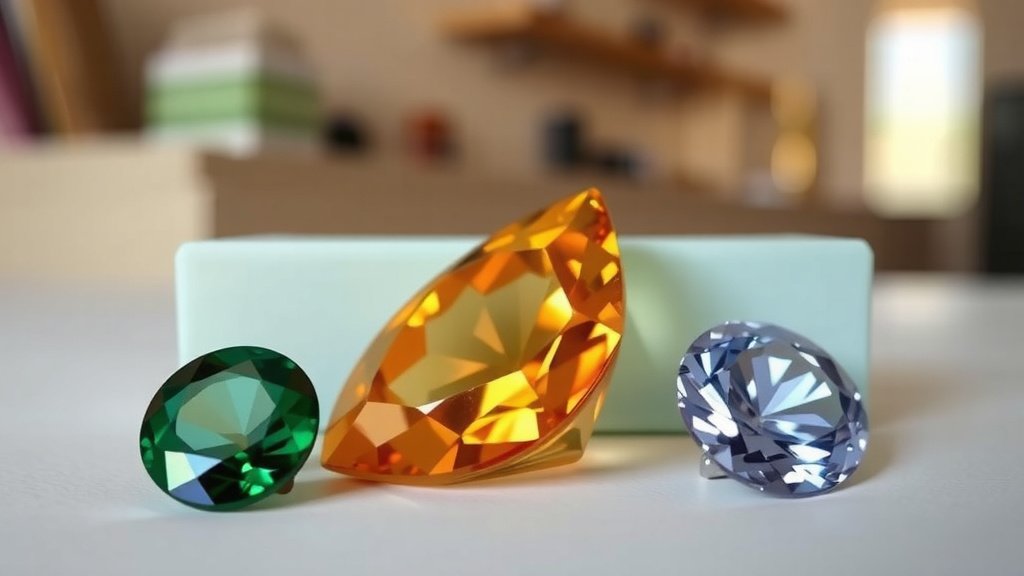
The most durable gemstone isn’t always the right gemstone. The smart move is matching hardness and toughness to how you actually live.
Quick Checklist Before You Buy
Run through this list before you commit:
- Do you work with your hands? Pick a stone rated 8 or higher.
- Will you wear it daily? Avoid opal, pearl, and emerald for rings.
- Are you rough on jewelry? Skip stones with cleavage planes, like topaz.
- Do you swim or clean often? Chlorine and bleach damage many gems.
- Is it for earrings or a necklace? Softer stones are fine here.
- Do you want low maintenance? Sapphire and spinel are your friends.
Tips to Make Any Gemstone Last Longer
Even the toughest stone benefits from a little care. We found a few habits that go a long way.
Simple Care Habits
Take rings off before gardening, lifting weights, or doing dishes. Store pieces separately so stones don’t scratch each other — a diamond will happily scratch a pearl in the same box. Clean most gems with warm water, mild dish soap, and a soft brush. Many jewelers recommend a yearly checkup to tighten settings and catch small chips early (Gemological Institute of America guidelines). Our guide to how often to clean a ring lays out a simple schedule by stone and wear level.
One last thought: durability isn’t about buying the “best” stone. It’s about buying the right stone for your hands, your habits, and your budget. Do that, and your jewelry will look just as good in ten years as it does today.
Conclusion
When it comes to durability, diamond leads the pack, with sapphire, ruby, and spinel close behind at friendlier prices. We found that hardness alone doesn’t tell the whole story — toughness and stability matter just as much, especially if you’re hard on your jewelry. Softer beauties like opal, pearl, and emerald can still shine, but they belong in earrings and pendants, not daily-wear rings. Your next step? Take an honest look at how you live your life, then match a stone to it. Pick wisely now, and your jewelry will stay gorgeous for decades.
Frequently Asked Questions
Can a diamond chip or break?
Yes, it can. Diamond scores a perfect 10 for hardness, but a hard knock at the wrong angle against its cleavage plane can chip it. That’s why jewelers suggest checking your settings regularly and removing rings before rough activities.
Is moissanite as durable as diamond?
Moissanite is close behind. It scores 9.25 on the Mohs scale and has excellent toughness, so it handles daily wear very well. If you love the diamond look but want a budget-friendly option, moissanite is a solid pick.
What’s the most durable colored gemstone?
Sapphire takes that title, and ruby is the same mineral in a different color. Both score 9 on the Mohs scale with excellent toughness. They’ve been used in everyday rings for over a century, and the antiques prove it.
Can I wear an emerald engagement ring every day?
You can, but you’ll need to be careful. Emeralds often have internal cracks filled with oil, and heat or harsh cleaners can strip that treatment away. If an emerald ring is your dream, choose protective settings like bezels and clean it gently by hand.
Does lab-grown diamond durability differ from natural diamonds?
No, they’re identical in durability. Lab-grown diamonds are real diamonds with the same chemical makeup, hardness, and toughness as mined stones. A lab-grown diamond will scratch, chip, and wear exactly like its natural counterpart.