Resize Your Ring at Home: A Step-by-Step Guide
Yes, you can resize a ring at home, but it’s often best to leave it to the professionals for intricate or expensive pieces. Simple adjustments, like slightly tightening a band, can sometimes be managed with DIY methods. Always consider the ring’s material and design before attempting any home resizing.
While some DIY methods exist, they carry risks. Sizing down a ring can be trickier than sizing up. Improper tools or techniques could cause permanent damage, like scratching the metal or weakening the setting. For peace of mind and a professional finish, a jeweler is usually the safest bet.
- Minor resizing might be doable at home.
- Complex or valuable rings are best left to jewelers.
- DIY methods risk damaging your ring.
- Consider the metal type and design carefully.
- Jewelers offer professional and safe resizing services.
So, if you’re curious about how to tackle a loose ring yourself, or when it’s time to call in the experts, we’ve got you covered. Let’s walk through the options step by step.
DIY Ring Size Adjustments: What You Can (and Can’t) Do
So, your favorite ring feels a little too loose? Before you panic or rush to a jeweler, let’s talk about what you might be able to do right at home. Some simple fixes are surprisingly manageable. We’ll explore some of the most common DIY methods and explain what works best.
When a Little Slack Isn’t a Big Deal
Sometimes, a ring just needs a tiny bit of help to stay put. If your ring spins freely on your finger, but isn’t so loose that it feels like it will fall off, you might have a few options. These methods are generally best for solids metal bands without delicate settings or stones.
Adding a Ring Guard or Sizer
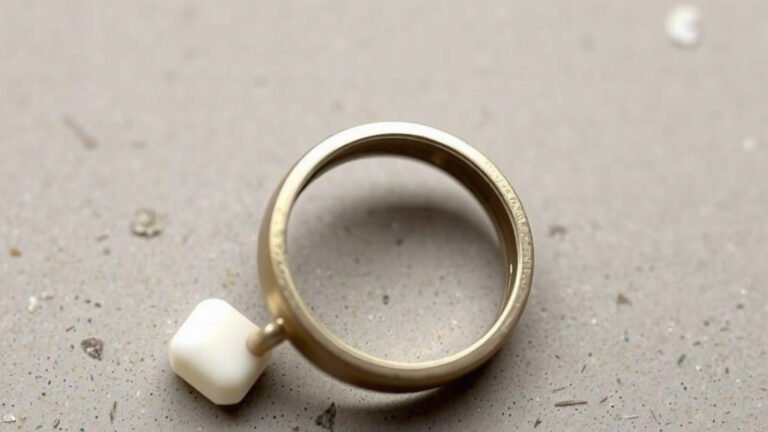
One of the easiest and least risky ways to tighten a ring is by using a ring guard or sizer. These are small, often clear plastic or silicone pieces that attach to the inside of your ring band. They effectively reduce the inner circumference. Think of it like adding a little padding to your finger. You can find these online or at many jewelry stores. They come in various shapes and sizes, so you can choose one that best fits your ring. This method is temporary and easily removable, making it a great option for trying out a tighter fit.
The Thread or Dental Floss Trick
For a very simple, temporary fix, some people turn to thread or dental floss. You’d wrap a few layers of thread or floss around the part of your ring that sits on the underside of your finger. This builds up the bulk. It’s a bit like a DIY ring guard. Be careful not to wrap too tightly, as this can cut off circulation. We found that a thin, strong thread, like embroidery floss, works best. This is a quick fix for a single event, not really a long-term solution. It can also be a bit fiddly to get just right.
Methods That Require More Caution (and Might Not Work Well)
There are other methods people try, but they come with a higher risk of damaging your ring. These often involve trying to physically alter the metal itself. Many experts advise against these unless you have experience and the right tools.
Slightly Bending the Band
For softer metals like sterling silver or gold, you might be able to gently bend the band to make it slightly smaller. You’ll need a ring adjuster tool or a pair of very smooth, padded pliers. The key is to apply very gentle, even pressure. Bending it too much or too quickly can cause the metal to kink or even break. We found that this works best for very minor adjustments, maybe just a quarter or half size. If your ring has intricate details or stones, this is a risky approach.
Hammering or Pounding (Generally Not Recommended)
You might see advice about gently tapping a ring to make it smaller. This usually involves placing the ring on a hard, non-marring surface and tapping it with a rawhide or nylon mallet. The idea is to compress the metal. However, this method is very prone to error. You could easily dent the band, damage any engravings, or even dislodge stones. Many jewelers strongly caution against this, as it can weaken the metal over time. Unless you’re working with a very plain, inexpensive band and have practice, it’s best to steer clear.
When DIY Isn’t the Right Answer: The Case for Jewelers
While we’ve covered a few home methods, it’s important to be realistic. For most situations, especially with rings you care about, a professional jeweler is your best bet. They have the tools, expertise, and experience to resize your ring safely and effectively.
What Jewelers Can Do That You Can’t (Easily)
Jewelers can expertly size rings both up and down. This often involves cutting the band and adding or removing metal. They can then solder the ring back together, refinish it, and polish it so it looks like new. This is essential for rings with stones, complex designs, or those made from harder metals.
Sizing Down: The More Complex Challenge
Many people find it easier to size a ring down at home than to size it up. But even simple sizing down can be tricky for a jeweler if it’s a very thin band or has a lot of detail. For significant size reductions, a jeweler will likely need to cut out a small portion of the band and then carefully solder it back together. They’ll also ensure the shank (the band part) is structurally sound and the settings are still secure.
Sizing Up: Adding Metal is Key
To increase a ring’s size, a jeweler typically has to cut the band and then carefully add a small piece of matching metal. This piece is soldered in place, and the ring is reshaped and polished. This process requires precision to ensure the added metal blends in seamlessly. Without professional tools, attempting to stretch a ring significantly at home is highly discouraged because it can easily weaken the metal or damage settings.
Choosing a Jeweler for Your Resizing Needs
When you decide to go the professional route, look for a jeweler with a good reputation. Ask about their resizing process and what materials they use. Most reputable jewelers will offer a guarantee on their work. It’s often worth the small investment to have your ring resized correctly, ensuring its beauty and integrity for years to come. Many experts suggest getting a quote from a couple of different jewelers to compare prices and services.
Ring Resizing Checklist: Should You DIY or Go Pro?
- Is your ring made of a soft metal (like pure gold or silver)?
- Is it a plain band with no stones or intricate details?
- Do you only need to decrease the size by a small amount (less than a full size)?
- Are you comfortable with the risk of minor cosmetic damage?
- Is the ring of low monetary value?
If you answered “yes” to most of these, a DIY method might be worth a try. If you answered “no” to any, or if the ring is valuable, sentimental, or has stones, it’s best to visit your jeweler.
Conclusion
So, you’ve explored the world of DIY ring resizing! Remember, simple fixes like ring guards or thread can work for a temporary, minor adjustment on plain bands. However, for anything more substantial, or if your ring holds sentimental or monetary value, professional resizing is your safest bet. Jewelers have the specialized tools and expertise to ensure your ring fits perfectly without damage. When in doubt, or if your ring features stones or delicate details, always err on the side of caution and consult an expert. Your precious rings deserve the best care!
Frequently Asked Questions
Can I really stretch a ring at home without damaging it?
Stretching a ring significantly at home is highly discouraged. While some very minor stretching might be possible with specific tools, it often weakens the metal or can damage delicate settings. Most experts recommend against attempting this without professional equipment and knowledge.
What’s the best DIY method for a loose ring if I can’t go to a jeweler right now?
For a quick fix, the thread or dental floss trick is a common temporary solution. Another easy method is using a ring guard or sizer, which are readily available online or at jewelry stores and easily attach to the inside of your band.
Will hammering or bending a ring at home work?
Hammering or bending a ring at home carries a high risk of damage. You could easily dent, scratch, or even break the metal. If your ring has stones or engravings, these methods are especially likely to cause irreversible harm. It’s generally best to avoid them.
How much does it typically cost to have a ring resized by a professional?
The cost to resize a ring professionally can vary widely based on factors like the metal type, the complexity of the design, and how much the size needs to change. Generally, you can expect to pay anywhere from $50 to $200 or more for professional resizing services.
Is it better to size down or size up a ring at home?
It’s generally easier and less risky to attempt minor sizing down at home using temporary methods like ring guards. Sizing up, or making significant size reductions that involve altering the metal, is much more challenging and prone to error for DIY attempts. Professionals are best equipped for both.