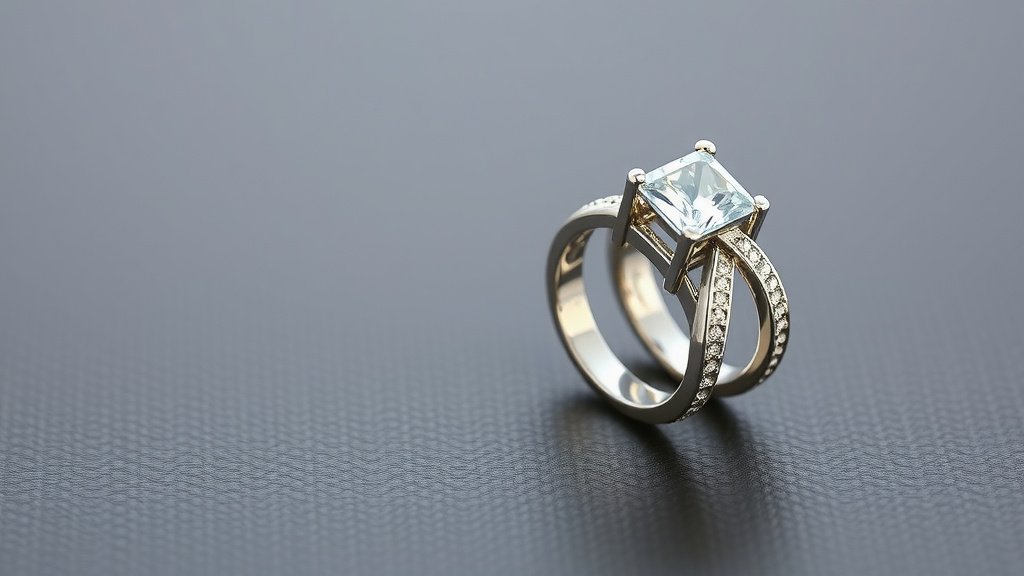
How to Test If a Ring is Real Silver: Simple Methods
You can test if a ring is real silver using a few simple household items. Look for a “925” stamp, as this indicates sterling silver. A magnet test is also a quick way to check for fakes, as real silver is not magnetic. Be aware that some fake silver might still pass these basic tests.
Determining your ring’s authenticity is important, especially for sentimental pieces or potential investments. While professional appraisal is the most accurate, these at-home methods offer a good starting point. We found that combining a few different checks provides the most reliable results without damaging your jewelry.
- Look for the “925” hallmark.
- Use a strong magnet; silver shouldn’t stick.
- Perform the ice cube test for a visual clue.
- Consider the “smell test” if other methods are unclear.
- Be aware of common silver plating techniques.
Let’s walk through exactly how to perform these tests at home to give you peace of mind about your ring’s precious metal content.
Verifying Your Ring’s Silver Content at Home
It’s smart to know what you’re wearing. You might have inherited a ring or found a great deal. You want to be sure it’s genuine silver. We’ve researched several reliable methods. These tests use common household items. They can help you feel confident about your ring’s authenticity. Let’s start with the most obvious clue.
The Power of the Hallmark: What to Look For
Genuine silver items often carry a special mark. This is called a hallmark or stamp. It’s a tiny engraving that tells you about the metal’s purity. For sterling silver, you’ll usually see a “925”. This means the ring is made of 92.5% pure silver. The other 7.5% is typically copper. This copper adds durability. It prevents pure silver from being too soft for everyday wear. You might also see “STERLING” or “STG” stamped. These are also good indicators. Look closely at the inside band of your ring. Sometimes the stamp is small and might be worn down. A magnifying glass can be very helpful here.
What If There’s No Stamp?
Don’t panic if you can’t find a stamp. Some older rings might have lost their markings. Some artisans might not stamp their work. However, a missing stamp means you need to do more tests. It doesn’t automatically mean it’s fake. But it does lower the certainty. You’ll need to rely more on other methods. We found that combining multiple tests is the best approach.
The Magnet Test: A Quick Fake Detector
Silver is not a magnetic metal. This is a key property we can use. You’ll need a strong magnet for this test. Refrigerator magnets usually aren’t strong enough. Try a magnet from a craft store or an old speaker. Hold the magnet near your ring. If the ring is strongly attracted to the magnet, it’s likely not real silver. It might contain a lot of iron or nickel. These are magnetic metals. Genuine silver will show very little or no attraction.
Important Considerations for the Magnet Test
Keep in mind that some fake silver pieces are plated. This means a thin layer of real silver covers a base metal. The base metal could be magnetic. In this case, the magnet test might still show no attraction if the plating is thick enough. Also, some clasps on jewelry might have small magnetic parts. Try to test the main body of the ring. This test is a good starting point. But it’s not always foolproof on its own. We found it works best when combined with other checks.
The Ice Cube Test: A Curious Observation
This test is a bit more visual and interesting. It relies on silver’s excellent thermal conductivity. Silver transfers heat very quickly. You’ll need a couple of ice cubes and a flat surface. Place one ice cube on a regular surface. Place another ice cube on your silver ring. If your ring is real silver, the ice on the ring should start melting much faster. This is because the silver is rapidly drawing heat from the ice. It’s like a mini-refrigeration effect.
Why Does Ice Melt Faster on Silver?
Research shows that silver has one of the highest thermal conductivities of all metals (National Institute of Standards and Technology). This means it’s very good at moving heat around. When you place the ice cube on the ring, the ring quickly absorbs the heat from the ice. This heat is then spread throughout the metal. The ice cube on a non-conductive surface will melt based on ambient room temperature. The one on the silver ring will melt much faster. This is a subtle but effective test. It can help differentiate real silver from less conductive metals.
The Smell Test: A Less Glamorous, But Useful Clue
This might sound a bit odd, but it can be surprisingly effective. Pure silver has no smell. However, many silver alloys, like sterling silver, contain copper. When copper is exposed to air and skin, it can sometimes produce a slight, metallic odor. If your ring smells strongly metallic or like sulfur, it might not be pure silver. It could be an alloy with a lot of other metals, or it might be plated with a material that reacts with your skin.
How to Perform the Smell Test Correctly
Gently rub the ring on the palm of your hand for a few seconds. Then, bring it up to your nose and take a sniff. A faint, almost imperceptible metallic scent might be present with sterling silver. A strong, unpleasant odor is a red flag. Many experts suggest avoiding this test if you have sensitive skin. Some base metals can cause irritation. This test is best used as a secondary check. It’s not as definitive as the hallmark or magnet test. But it can provide extra information.
Understanding Silver Plating
It’s important to know about silver plating. Many rings that aren’t solid silver are plated. This means a thin layer of silver is applied to a base metal. Common plating methods include electroplating. This process uses electricity to deposit silver onto the object. A ring could be silver-plated over brass, copper, or even steel. These plated rings might look like real silver. They might even pass some of the basic tests if the plating is good.
Identifying Plated Rings
Look for signs of wear. Are there any areas where the silver color is rubbing off? Check the edges or areas that get a lot of friction. You might see a different colored metal underneath. This is a strong indicator of plating. Also, sometimes plated items will have stamps like “EPNS” (Electroplated Nickel Silver). This clearly indicates it’s not solid silver. While a stamp like “925” usually means solid sterling, always be observant for wear.
Putting It All Together: A Simple Checklist
To get the best idea of your ring’s authenticity, combine these methods. We found that doing a few checks gives you more confidence. Here’s a quick checklist you can use:
- Check for a “925” stamp or “STERLING” on the inside band.
- Perform the magnet test. Real silver should not stick to a strong magnet.
- Observe the ice cube test. Ice should melt noticeably faster on real silver.
- Do the smell test by rubbing the ring on your palm. Avoid strong odors.
- Inspect for wear. Look for any base metal showing through the silver color.
| Test Method | What to Look For (Real Silver) | What it Might Indicate (Fake/Plated) | Ease of Use |
|---|---|---|---|
| Hallmark (“925”) | Clear “925” or “STERLING” stamp. | No stamp, or stamps like “EPNS”. | Easy (if visible) |
| Magnet Test | No attraction to a strong magnet. | Strong attraction to a magnet. | Easy |
| Ice Cube Test | Ice melts very rapidly. | Ice melts at a normal pace. | Easy |
| Smell Test | No strong odor, maybe a faint metallic scent. | Strong metallic or sulfurous odor. | Easy (use caution) |
| Wear Inspection | Consistent silver color throughout. | Different colored metal showing through worn areas. | Easy |
Conclusion
You now have a solid set of tools to test your ring’s authenticity right at home. Remember, the key is to combine methods. A “925” stamp is a great start, but pairing it with the magnet test and observing how ice melts can give you much greater certainty. Don’t rely on just one test. We found that looking for wear signs and even the subtle smell test can offer additional clues. If your ring passes multiple checks, you can feel more confident in its silver content. For absolute peace of mind or if dealing with a high-value item, always consider a professional appraisal next.
Frequently Asked Questions
What if my ring has a stamp other than “925”?
Other stamps like “STERLING” or “STG” also indicate sterling silver. If you see “EPNS” or “EPBM”, those mean the item is electroplated, not solid silver. Some older or handmade pieces might not have any stamp at all, which means you’ll need to rely more on other tests.
Can a fake silver ring pass the magnet test?
Yes, it’s possible. If a fake ring is made of a non-magnetic base metal and has a thin silver plating, it might not attract a magnet. This is why we always recommend using the magnet test in conjunction with other methods for better accuracy.
How long does the ice cube test take?
You should notice a difference fairly quickly. The ice on a real silver ring should melt noticeably faster within a minute or two compared to the ice on a non-conductive surface. It’s a visual cue that highlights silver’s excellent heat conductivity.
Is the smell test reliable for silver rings?
The smell test can be a useful secondary indicator, especially if you get a strong metallic or sulfurous odor. Pure silver itself doesn’t have a scent. However, alloys containing copper can produce a faint smell when reacting with skin, so a strong smell is often a sign of something other than pure or sterling silver.
What should I do if I suspect my ring is plated?
Carefully inspect the ring for any signs of wear, especially on edges or high-friction areas. If you see a different colored metal showing through, it’s almost certainly plated. While plated jewelry can be beautiful, it’s not solid silver and might not hold value in the same way.