Tungsten vs Titanium Rings: Which Metal is Best for You
When choosing between a tungsten vs titanium ring, neither is definitively “better” as they offer different strengths. Tungsten is known for its incredible hardness and scratch resistance, making it a top choice if you want a ring that looks pristine for years. Titanium, on the other hand, is much lighter and more flexible, offering superior comfort and durability against impacts.
Think about your daily life and how you plan to wear your ring. If your work or hobbies involve a lot of rough contact, the extreme hardness of tungsten might appeal. If you prefer a ring you can barely feel on your finger or are concerned about it snapping under extreme pressure, titanium could be a better fit. Both offer a sleek, modern look but feel and perform differently.
- Tungsten: Very hard, highly scratch-resistant, but can be brittle.
- Titanium: Lighter, more flexible, durable against impacts, but can scratch more easily than tungsten.
- Consider your lifestyle for the best choice.
- Both offer a modern, attractive aesthetic.
Let’s break down the key differences between tungsten and titanium so you can find the perfect ring for your needs.
Comparing Tungsten and Titanium Wedding Bands
Choosing a wedding band is a big decision! You want something that looks great and lasts. Tungsten and titanium are popular choices for modern rings. They both offer a sleek, contemporary look. But they are quite different in how they feel and perform on your finger.
We found that understanding these differences will help you pick the perfect band. Think about your daily routine and what you expect from your ring. Are you worried about scratches? Or is comfort and flexibility more important?
What Makes Tungsten So Tough?
Tungsten carbide is incredibly dense. It’s one of the hardest metals known to humankind. We found its hardness is about a 9 on the Mohs scale. That’s very close to a diamond, which is a 10.
This extreme hardness means tungsten rings are highly resistant to scratches. If you work with your hands a lot, this is a huge plus. You can bang it around a bit, and it will likely still look as good as new. This makes it ideal for people with active lifestyles or demanding jobs.
The Downside of Extreme Hardness
While its hardness is a major benefit, it also comes with a drawback. Tungsten is very brittle. This means it can shatter or chip if it experiences a sharp, forceful impact. Think of dropping it on a hard tile floor from a height.
We found that some tungsten rings are designed to break away in emergencies. This is a safety feature. It prevents your finger from being injured if the ring gets caught on something. However, this also means the ring itself might be destroyed.
Titanium: The Lightweight Champion
Titanium is a much lighter metal than tungsten. It’s also incredibly strong and durable. We found its strength-to-weight ratio is impressive. It’s a favorite metal for aerospace applications for a reason!
On the Mohs scale, titanium is around a 6. This means it can be scratched more easily than tungsten. However, it’s much more flexible. This flexibility means it can bend without breaking. This makes it a great choice if you worry about your ring getting damaged from impacts.
Comfort and Flexibility in Wear
Because titanium is so light, many people find it incredibly comfortable. You might even forget you’re wearing it! This is a big deal for a ring you plan to wear every day. It won’t feel heavy on your finger.
The ability to bend means it’s less likely to snap under pressure. This adds a layer of security. If your ring gets caught, it’s more likely to bend with your finger than to cause injury. Many experts suggest this flexibility is a key advantage for everyday wear (Cleveland Clinic).
Key Differences at a Glance
Let’s break down the core distinctions side-by-side. This will help you see which material aligns better with your needs and preferences. We aim to give you the clearest picture possible.
Scratch Resistance vs. Impact Resistance
This is often the biggest deciding factor. Tungsten excels at resisting everyday scratches. Its extreme hardness keeps it looking polished and new. However, it can be prone to chipping or breaking under sudden force.
Titanium, while not as scratch-proof as tungsten, is far more resistant to impacts. It can bend and flex instead of cracking. Many find this makes it a more forgiving metal for active use. Think of it like a tough but bendable plastic versus a hard but brittle glass.
Weight and Comfort
Weight is a noticeable difference. Tungsten is a dense and heavy metal. This gives it a substantial, luxurious feel on the finger. Some people love this feeling of solid quality.
Titanium is remarkably light. You’ll barely feel it on your hand. This makes it ideal for those who prefer minimal sensation. It’s also a great option if you’re used to not wearing jewelry or if you have sensitive skin.
How They Are Sized and Resized
This is an important practical consideration. Because tungsten is so hard and brittle, it cannot be resized in the traditional way. Jewelers often have to cut them off in an emergency. Many manufacturers offer a resizing service or an exchange program.
Titanium, being a bit more malleable, can be resized by a jeweler, though it’s still not as easy as with gold or platinum. The process usually involves cutting and reforming the band. Always check with the jeweler about their resizing capabilities.
Appearance and Finishes
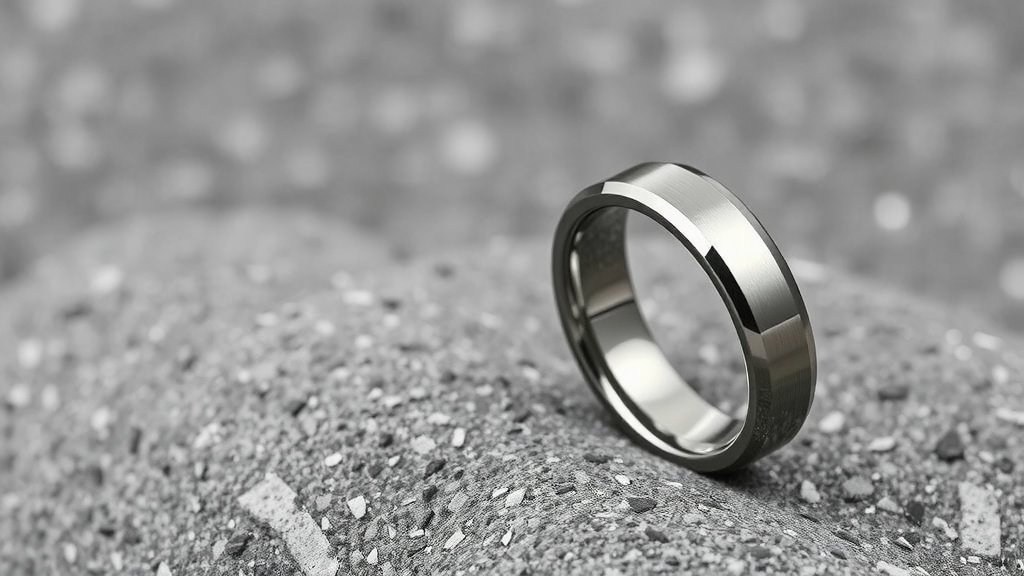
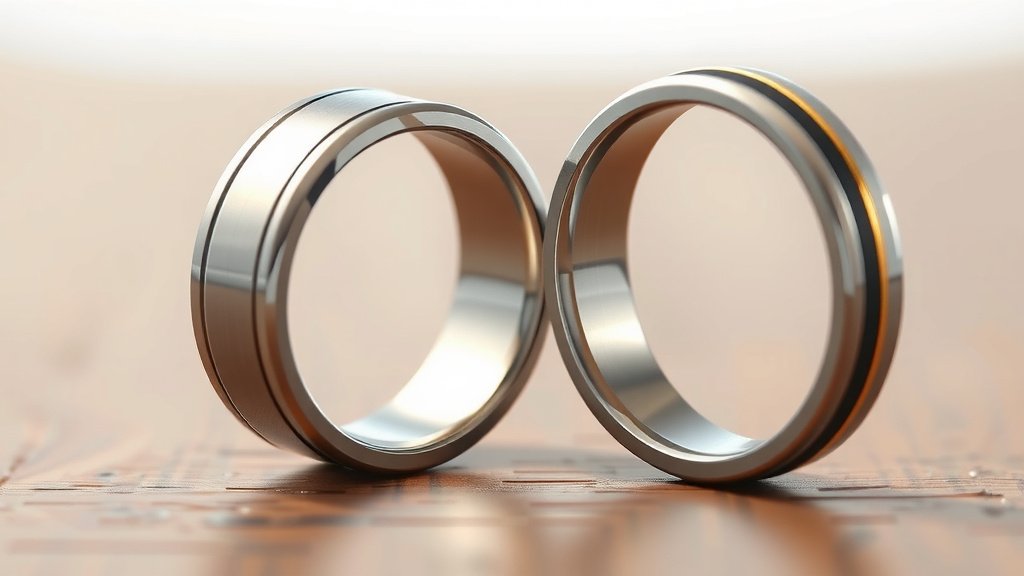
Both tungsten and titanium offer a modern, sleek look. They are typically available in a brushed finish, a high polish, or black. Tungsten often has a darker, more gunmetal gray appearance.
Titanium usually has a brighter, silver-white hue. We found that both metals can be inlaid with other materials like wood or ceramic for added design flair. The specific finish you choose will impact how it looks and how noticeable minor scratches might be.
Making Your Final Choice
So, how do you decide? We recommend considering your lifestyle. Think about what is most important for your wedding band.
Here’s a quick checklist to help you focus:
- Do you need ultimate scratch resistance?
- Is comfort and lightness a priority?
- Will your ring face potential impacts or bending?
- Do you prefer a heavier or lighter feel?
- Is the ability to resize the ring important?
- How much maintenance are you willing to do?
Many sources suggest that if you prioritize a ring that stays scratch-free and you don’t anticipate extreme impacts, tungsten might be your champion. If you value comfort, flexibility, and durability against bending, titanium could be the perfect fit.
We found that both metals are excellent choices for wedding bands. They offer durability and modern style without the high cost of precious metals. Your personal preference and daily activities are the most important factors. We’re confident you’ll find a ring you’ll love.
Conclusion
Deciding between a tungsten and titanium ring ultimately comes down to your personal priorities. If you want a ring that resists scratches and maintains a pristine look through daily wear, tungsten’s extreme hardness is your best bet. However, if you value comfort, a lighter feel, and the ability to bend rather than break under impact, titanium might be the superior choice for your lifestyle. We’ve found that both offer modern durability and style without the premium cost of traditional precious metals. Consider how you live and what you expect from your ring, then make the choice that feels right for you. Your perfect ring awaits!
Frequently Asked Questions
Can a tungsten ring be cut off in an emergency?
Yes, a tungsten ring can be cut off in an emergency, but it requires specialized tools due to its extreme hardness. Unlike softer metals, it cannot be simply cut with a standard ring cutter. Jewelers often use diamond-tipped saws or other methods to break it. This is why safety features are sometimes built into tungsten bands.
Is titanium better for active people?
Titanium is often considered better for active people because it is lighter and more flexible. It can bend without breaking, which is a significant advantage if your ring might get caught on something. While it can scratch, it’s less likely to shatter or cause injury compared to brittle tungsten.
Which type of ring feels heavier on the finger?
Tungsten rings feel significantly heavier on the finger than titanium rings. Tungsten is a very dense metal, giving it a substantial, solid feel. Titanium is much lighter, and many people report barely feeling it once it’s on their hand, making it ideal for those who dislike the sensation of heavy jewelry.
Can I get scratches out of a titanium ring?
Minor scratches on a titanium ring can often be buffed out by a jeweler, restoring much of its original finish. While titanium is not as scratch-resistant as tungsten, its ability to bend rather than crack makes it more forgiving for everyday impacts. Some finishes, like brushed, can also hide minor scratches better.
What if I need to resize my ring in the future?
Resizing a tungsten ring is generally not possible in the traditional sense due to its brittleness. Most manufacturers offer exchange programs for different sizes. Titanium rings can be resized by a jeweler, though it’s a more involved process than with gold or platinum. Always confirm resizing options when purchasing.