Decoding Ring Hallmarks: A Simple Guide
Reading ring hallmarks is simpler than you think! You can easily learn to identify a ring’s metal type and maker’s mark by looking for tiny stamped symbols. These marks tell a ring’s story, revealing its origin and purity.
Understanding these symbols is like having a secret decoder for your jewelry. Many experts agree that learning these marks can help you appreciate your rings more. You might even discover hidden historical details about your favorite pieces, turning them into true conversation starters.
- Hallmarks show the metal type (like gold or silver).
- They indicate the purity or fineness of the metal.
- You’ll often find the maker’s mark, too.
- These stamps are usually tiny and found on the inside band.
Ready to become a jewelry detective? Let’s walk through exactly how to spot and understand these tiny symbols on your rings.
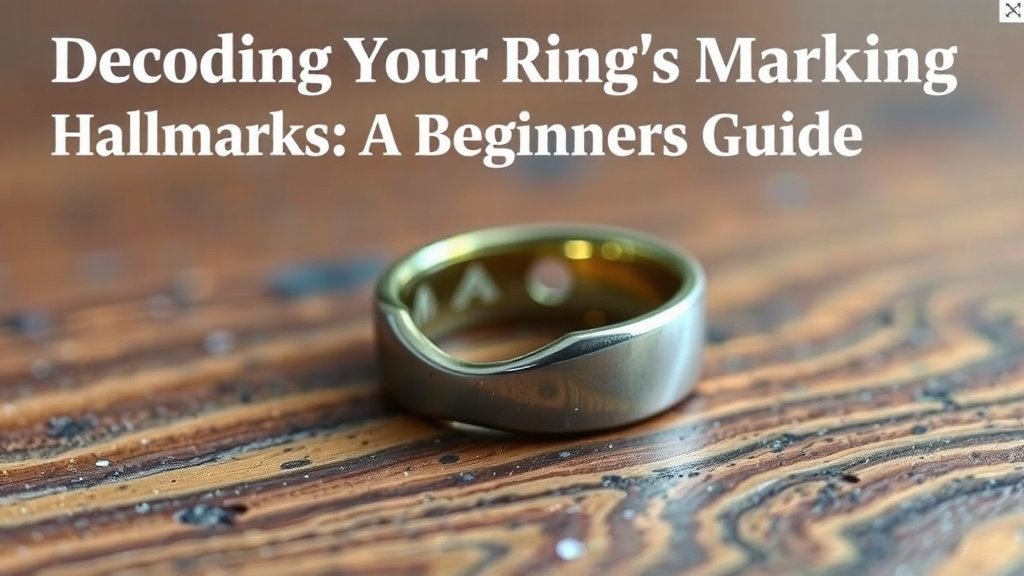
Decoding Your Ring’s Markings: A Beginner’s Guide
Have you ever looked at your ring and wondered what those tiny stamped symbols mean? You’re not alone! These little marks, called hallmarks, are like a secret language. They can tell you a lot about your ring’s history and materials. We’ll help you become a pro at spotting and understanding them.
Where to Find These Hidden Clues
Most ring hallmarks are located on the **inside of the band**. You might need good lighting to see them clearly. Sometimes, a magnifying glass or jeweler’s loupe can be very helpful, especially for older or smaller rings.
Common Spotting Locations
The most common place is on the inner surface of the band. For men’s rings, which often have a thicker band, the marks might be easier to find. Women’s rings, especially delicate ones, can be trickier. If you have a ring with a large stone, check the shank (the part of the band opposite the stone) as well. It’s just about looking carefully and knowing where to aim your light.
Understanding the Metal Purity Marks
The most important marks tell you about the metal. These stamps indicate the **purity or fineness** of the precious metal used. This is often shown as a number followed by “k” for karat (gold) or “fine” for silver.
Gold Hallmarks Explained
Gold purity is measured in karats. The higher the karat, the purer the gold. Here are some common gold hallmarks you’ll see:
- 24k: Pure gold. Very soft and rarely used for everyday jewelry.
- 18k: 75% pure gold (18/24 parts). A popular choice for fine jewelry.
- 14k: 58.3% pure gold (14/24 parts). Durable and common in the US.
- 10k: 41.7% pure gold (10/24 parts). Also durable, often found in mass-produced items.
You might also see markings like 750 (for 18k gold, meaning 750 parts per thousand) or 585 (for 14k gold). These are common in European markets. Many guides suggest looking for these numbers as a primary indicator of gold content (Jewelers of America).
Silver Hallmarks Explained
Silver is often marked with “sterling” or a number indicating its purity. Sterling silver is the most common type found in jewelry.
- Sterling: This means the silver is 92.5% pure (925 parts per thousand). It’s the standard for fine silver jewelry.
- 925: This stamp directly indicates sterling silver.
- 950: Less common, this means 95% pure silver.
You might also see stamps like “coin silver,” but this is much rarer today and refers to older silver standards.
Platinum and Other Metals
Platinum is also a precious metal, often marked with its purity:
- 950 Plat or PLAT 950: Indicates 95% pure platinum.
- 900 Plat or PLAT 900: Indicates 90% pure platinum.
Less common metals like palladium might be marked with their own specific stamps. It’s good to know that these marks help you confirm you have what you think you have.
The Maker’s Mark: Who Made This Ring?
Besides the metal content, you’ll often find a **maker’s mark**. This is a symbol or abbreviation that identifies the manufacturer or jeweler who created the ring. It’s like a signature!
Why Maker’s Marks Matter
Maker’s marks can help date a ring and identify its origin. Some maker’s marks are very famous and can even add to a ring’s value. Researching a maker’s mark can be a fun detective project. We found that many collectors specialize in rings from specific makers.
What Maker’s Marks Look Like
These can be anything from a company logo to initials. Some are simple letters, while others are intricate symbols. For example, you might see “T&C” for Tiffany & Co. or a specific symbol used by a smaller artisan. Many resources online can help you identify less common maker’s marks.
Other Potential Hallmarks You Might See
While metal purity and maker’s marks are the most common, you might encounter a few other stamps.
Assay Office Marks
In some countries, like the UK, rings are sent to an assay office to be tested for purity. These offices stamp the jewelry with their own marks, often indicating the town or city where the testing took place. These are usually quite distinctive and add another layer of history.
Date Letters
Also common in the UK, a specific letter stamp can indicate the year the ring was assayed. These letters change annually and follow a specific alphabet sequence. This is a fantastic way to pinpoint the age of a piece.
Putting It All Together: A Quick Checklist
Ready to put your new skills to the test? Grab your ring and let’s go through these quick steps:
- Locate the inner band of your ring.
- Use good lighting and perhaps a magnifier.
- Look for numbers (like 585, 925) for metal purity.
- Identify letters or symbols that might be maker’s marks.
- Note any other unusual stamps like crowns or animals.
- Research any unfamiliar marks online or with a jeweler.
A Table of Common Purity Stamps
To make it super easy, here’s a quick reference table for common purity stamps you’ll encounter.
| Metal | Common Hallmarks | Meaning |
|---|---|---|
| Gold | 10K, 10kt | 41.7% pure gold |
| Gold | 14K, 14kt | 58.3% pure gold |
| Gold | 18K, 18kt | 75.0% pure gold |
| Gold | 750 | 75.0% pure gold (European marking) |
| Silver | Sterling | 92.5% pure silver |
| Silver | 925 | 92.5% pure silver |
| Platinum | 950 Plat | 95.0% pure platinum |
| Platinum | PLAT 900 | 90.0% pure platinum |
Remember, not all rings will have every type of mark. Older rings, or those made in certain regions, might have fewer stamps. The important thing is to learn what you can and enjoy the story your ring tells.
Conclusion
You’ve learned how to decode the tiny stamps on your rings! Understanding hallmarks helps you appreciate your jewelry more. You can now identify metal types, purity, and even the maker. These marks tell a story about your ring’s past. Keep practicing with your own collection. Grab your favorite ring and start looking for these hidden clues today!
Frequently Asked Questions
What if I can’t find any marks on my ring?
It’s possible some rings, especially older ones or those made in certain regions, may not have any hallmarks. Sometimes, marks can also wear down over time. Don’t worry if you don’t find anything; your ring is still special!
Are European hallmarks different from US hallmarks?
Yes, they can be! European hallmarks often use numbers like “750” for 18k gold or “925” for sterling silver. The US often uses “14k” or “Sterling” directly. You might also find assay office and date letters more commonly in European marks.
Can a jeweler tell me what the hallmarks mean?
Absolutely! A professional jeweler or appraiser is an excellent resource. They have the experience and tools to identify even faint or unusual marks and can tell you what they mean for your ring’s metal content and origin.
Do all rings made of precious metals have hallmarks?
Most rings made of precious metals like gold, silver, and platinum are stamped with hallmarks, especially those made after the 19th century. However, older pieces or handmade items from certain areas might not have them.
How can I research a maker’s mark if I find one?
Once you’ve identified a maker’s mark, you can try searching online using keywords like “ring maker’s mark [symbol/initials].” Many jewelry history websites and forums are dedicated to identifying these manufacturer’s stamps and can help you learn about the ring’s creator.