Cubic Zirconia vs Moissanite: Which Gemstone Is Right
When comparing cubic zirconia and moissanite, moissanite is generally considered the superior choice for its exceptional durability and brilliant sparkle. While both are popular diamond alternatives, moissanite stands out because it’s much harder and reflects light more intensely than cubic zirconia. You might be wondering which one is the right fit for your budget and style.
Choosing between these two beautiful stones involves looking at how they perform over time. Cubic zirconia can become cloudy and scratched with daily wear. Moissanite, on the other hand, is known for its resilience and lasting fire. We’ve found that understanding these key differences helps many shoppers make a confident decision for their jewelry.
TL;DR:
- Moissanite is tougher and sparkles more than cubic zirconia.
- Cubic zirconia can scratch and dull over time.
- Moissanite is a great, durable diamond alternative.
- Cubic zirconia is a more budget-friendly option.
Let’s dive into the specifics of cubic zirconia versus moissanite to help you decide which gem is perfect for your needs.
Cubic Zirconia vs. Moissanite: Which Sparkler Wins?
When you’re looking for a beautiful stone that won’t break the bank, cubic zirconia and moissanite often come up. Both look a lot like diamonds, but they’re quite different underneath their sparkle. You might be wondering which one is the better choice for your new ring or jewelry. We’ve found that understanding their unique qualities helps make that decision much easier.
Let’s break down what makes each stone special. We’ll look at durability, sparkle, and how they hold up over time. This way, you can feel confident about your choice, knowing you’re getting the best for your budget and style.
Understanding Cubic Zirconia
Cubic zirconia (CZ) is a lab-created gemstone. It was first made in the 1930s. CZ is designed to imitate diamonds. It’s made from zirconium dioxide powder. This powder is heated to very high temperatures. It then crystallizes into the gem we know.
CZ is a popular choice for jewelry. It’s very affordable. This makes it accessible for many people. You can get a large CZ stone for much less than a diamond of the same size. This makes it a great option for fashion jewelry or for those on a tight budget.
The Look of Cubic Zirconia
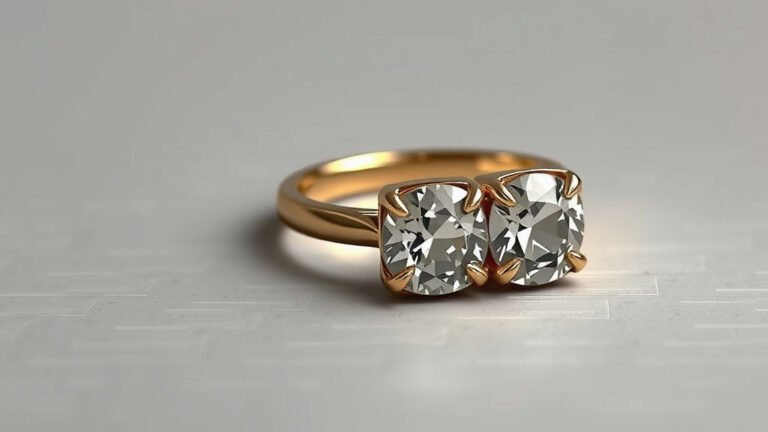
Cubic zirconia has a high refractive index. This means it bends light well. It can create a lot of sparkle. However, it often reflects light differently than diamonds. CZ can sometimes have a “rainbow” effect. This is known as fire. It can be quite dazzling. Some people love this extra flash. Others find it a bit too much.
CZ is usually very clear. It often appears colorless. This makes it look very much like a high-quality diamond. The brilliance can be striking. It’s easy to see why many are drawn to its look. It offers that classic diamond aesthetic at a fraction of the cost.
Durability Concerns with CZ
One area where cubic zirconia falls short is durability. It rates a 8 to 8.5 on the Mohs scale of hardness. Diamonds, for comparison, are a 10. This means CZ can scratch more easily than diamonds. Daily wear and tear can take a toll.
Over time, CZ stones can become scratched. They can also lose their polish. This can make them appear cloudy or dull. Think of it like a glass table. It starts clear but can get tiny scratches that show up over time. This is a common issue with CZ jewelry.
Exploring Moissanite
Moissanite is a gemstone that occurs naturally. However, it’s extremely rare in its natural form. Most moissanite used in jewelry today is lab-created. It was first discovered by Henri Moissan in 1893. He found it in a meteorite crater. It’s made from silicon carbide.
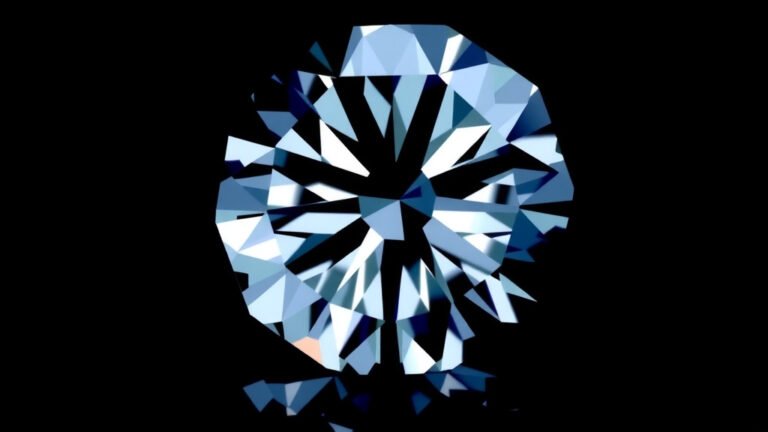
Moissanite is known for its incredible brilliance and fire. It often sparkles even more than a diamond. This is because it has a higher refractive index than diamond. It also has a greater dispersion, which is what creates that rainbow flash.
The Sparkle and Fire of Moissanite
If you love sparkle, moissanite might be for you. It has a higher refractive index than diamond. This means it reflects light more intensely. It also has a higher “fire,” which is the colored light that flashes as the stone moves. Moissanite’s fire is often more pronounced than a diamond’s.
Some find this extra fire to be a bit much. They might say it looks “too colorful.” However, many people absolutely love this effect. They find it adds a unique beauty and liveliness to their jewelry. We found that opinions on moissanite’s fire really depend on personal preference.
Moissanite’s Impressive Durability
Here’s where moissanite really shines compared to cubic zirconia. Moissanite rates a 9.25 on the Mohs scale of hardness. This makes it incredibly durable. It’s much harder than cubic zirconia. It’s also harder than most other gemstones used in jewelry.
This hardness means moissanite is very resistant to scratching. It can withstand daily wear and tear much better than CZ. You can wear moissanite jewelry every day without worrying too much about damage. This makes it a fantastic choice for engagement rings and other frequently worn pieces.
Comparing Key Features
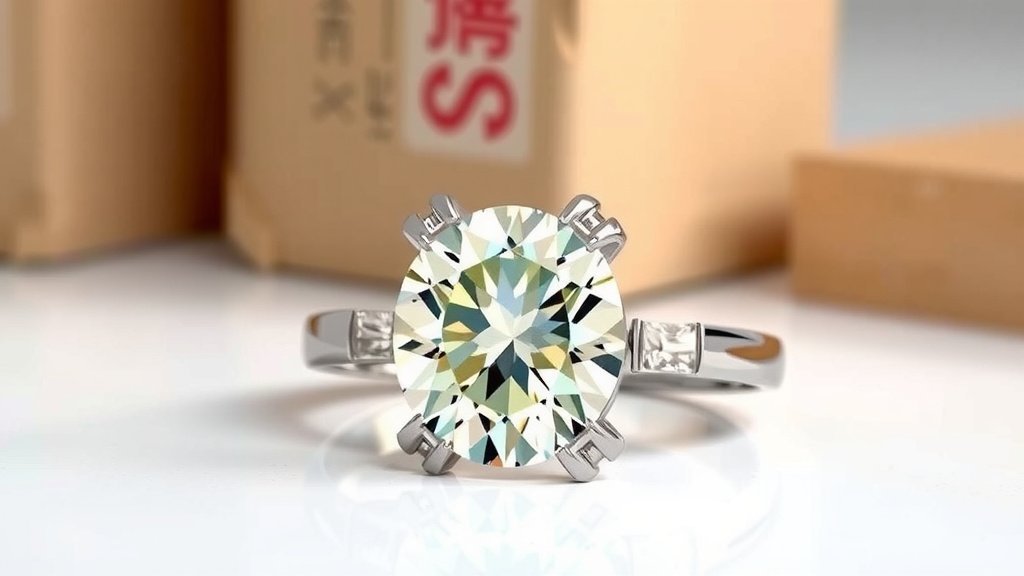
Let’s look at how these two stones stack up side-by-side. Understanding these differences will help you make an informed choice.
| Feature | Cubic Zirconia | Moissanite |
|---|---|---|
| Hardness (Mohs scale) | 8 – 8.5 | 9.25 |
| Sparkle/Brilliance | High | Very High |
| Fire (Rainbow Flashes) | Moderate | High (more pronounced) |
| Durability | Prone to scratching and dulling | Highly scratch-resistant |
| Origin | Lab-created (Zirconium Dioxide) | Lab-created (Silicon Carbide) |
| Price | Very Affordable | More expensive than CZ, less than diamond |
Sparkle: Which is Brighter?
Both stones sparkle, but moissanite generally offers a more intense sparkle. This is due to its higher refractive index. It bends and reflects light more effectively than cubic zirconia. Moissanite also tends to have more “fire,” meaning more flashes of color. This can be a pro or a con depending on your taste.
Cubic zirconia can look very sparkly too, especially when it’s new. But over time, as it scratches and dulls, that sparkle can diminish. Moissanite’s superior hardness helps it maintain its sparkle for much longer. We found that for lasting brilliance, moissanite has the edge.
Durability: Handling Daily Life
This is a major difference. Moissanite is incredibly tough. It’s nearly as hard as diamond. This means it can handle the bumps and scrapes of everyday life. You don’t have to worry as much about damaging it.
Cubic zirconia, while pretty, is much softer. It can get scratched by everyday objects. It might even chip if it takes a hard hit. This fragility means you need to be more careful with CZ jewelry. It might not be the best choice for a ring you plan to wear constantly.
Appearance: The Subtle Differences
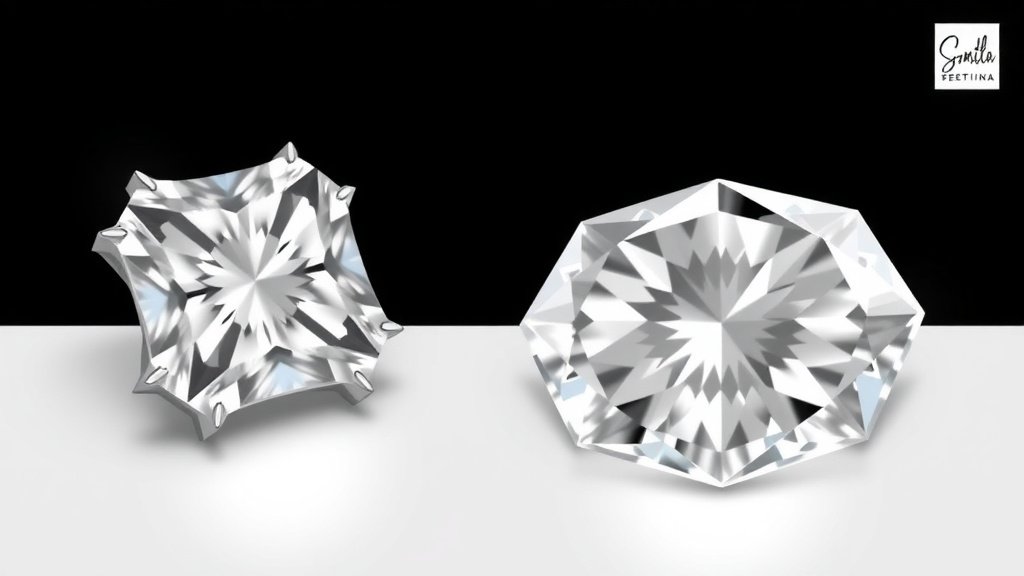
In terms of color, both can be colorless. However, moissanite can sometimes show a slight warmth or a more intense rainbow flash. This is especially true in larger stones. We found that very fine moissanite can be nearly indistinguishable from diamond to the untrained eye.
Cubic zirconia typically has a very clean, colorless appearance. But its tendency to scratch can make it look less brilliant over time. The best way to compare is often to see them side-by-side in person. This helps you gauge the sparkle and fire that appeals most to you.
Making Your Choice: What to Consider
So, how do you pick the right stone for you? It really comes down to what you prioritize in your jewelry. Think about your lifestyle and your budget.
Your Budget and Expectations
If price is your biggest concern, cubic zirconia is the clear winner. It offers a diamond-like look for a very low cost. You can get a much larger stone for your money. However, you need to be prepared for the fact that it might not last as long or look as good after years of wear.
Moissanite is a step up in price from CZ. It’s still significantly more affordable than a diamond. But its price reflects its superior durability and sparkle. If you want a beautiful stone that will last and retain its brilliance, moissanite is a fantastic investment.
Your Lifestyle and Wear Habits
How will you be wearing your jewelry? If it’s for occasional wear, cubic zirconia might be perfectly fine. You can enjoy its beauty without excessive worry. But if you plan to wear your jewelry every single day, especially an engagement ring, moissanite is a much more practical choice.
Its hardness means it can stand up to daily activities. You won’t have to constantly baby it. Think about your job and hobbies. If they involve a lot of manual work or risk of impact, durability is key. We found that many people choose moissanite for its “worry-free” wearability.
The Sparkle Factor You Prefer
Do you love a lot of fire and flash? Moissanite delivers that in spades. Its intense sparkle and rainbow colors are captivating. If you prefer a more subtle sparkle, you might want to look at CZ or a lower-grade moissanite. Some people find the fire in moissanite a bit distracting.
Ultimately, the “best” stone is the one that makes you happiest. Do you want the most sparkle? The best durability? The lowest price? Consider these points.
Here’s a quick checklist to help you decide:
- Prioritize budget: CZ is more affordable.
- Need superior durability: Moissanite is tougher.
- Love intense sparkle and fire: Moissanite often has more.
- Want a stone for everyday wear: Moissanite is a better bet.
- Looking for a very budget-friendly option: CZ fits the bill.
- Concerned about cloudiness over time: Moissanite holds its brilliance better.
Conclusion
Choosing between cubic zirconia and moissanite depends on your priorities. If budget is your main concern and you want that diamond look for less, CZ is a good starter option. However, for a stone that truly lasts, shines brilliantly for years, and can withstand daily life, moissanite is the clear winner. Its superior hardness and lasting sparkle make it a smart investment for jewelry you’ll cherish. Think about how you’ll wear your piece and what sparkle level you desire. Visit a local jeweler to see both stones in person – that’s often the best way to feel confident in your beautiful new choice!
Frequently Asked Questions
Will cubic zirconia look dull after a year?
Cubic zirconia can lose its shine over time. Daily wear causes tiny scratches and can dull the surface. While cleaning helps, it won’t fully restore the original brilliance if the stone is significantly scratched. Moissanite, being much harder, resists these kinds of scratches much better.
Is moissanite too flashy for everyday wear?
Moissanite has a lot of fire and sparkle, which some people find very appealing for daily wear. Its high durability means you don’t have to worry about damaging it during your routine activities. If you love a stone that catches the light and shows off color, moissanite is perfect. If you prefer a more subdued sparkle, you might consider a smaller moissanite or a different gem.
Can I get cubic zirconia or moissanite insured?
Yes, you can typically insure both cubic zirconia and moissanite jewelry. While moissanite is more durable and thus less likely to be damaged, any valuable piece of jewelry is a good candidate for insurance. Check with your insurance provider about coverage options for stones like these, as they are distinct from natural diamonds.
How do I clean my cubic zirconia and moissanite jewelry?
Both cubic zirconia and moissanite can be cleaned easily at home. Use a soft brush, warm water, and a mild dish soap to gently scrub the stones and settings. Rinse thoroughly and dry with a lint-free cloth. Avoid harsh chemicals or ultrasonic cleaners, especially for CZ, as they can potentially damage the setting or the stone’s finish.
Is moissanite ethical compared to mined diamonds?
Lab-created moissanite is considered an ethical choice because it avoids the environmental and social concerns associated with mined diamonds. It’s created in a controlled environment, meaning no destructive mining practices are involved. This makes it an excellent option if you’re looking for a beautiful, sparkling gem with a clear conscience.