Prong vs Bezel Setting: Which Ring Setting Is Right For You
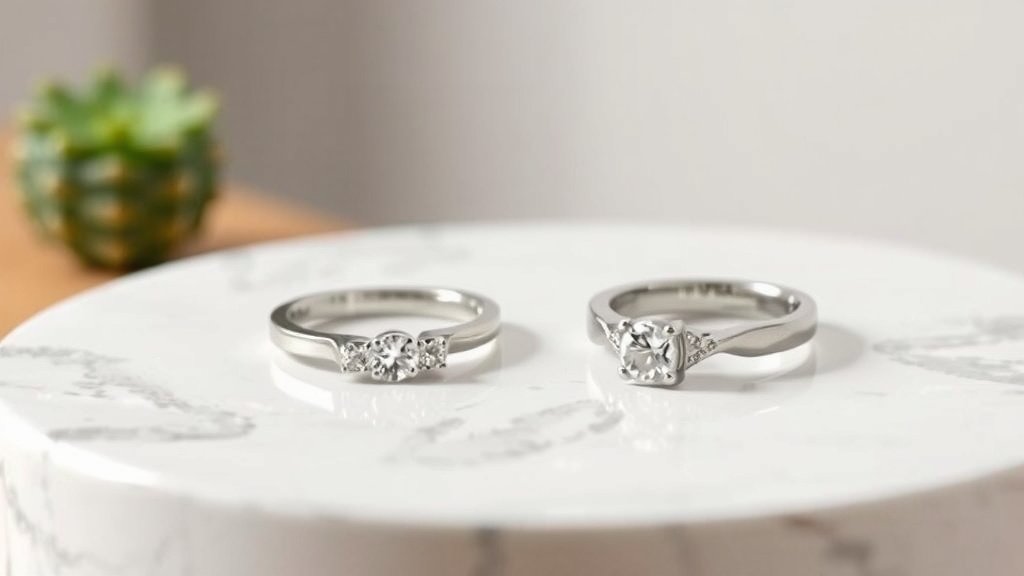
When choosing a ring setting, both prong and bezel settings are excellent options, but they offer different benefits. A prong setting, with its open design, allows maximum light to enter your gemstone, making it appear brighter. In contrast, a bezel setting uses a metal rim to secure the stone, providing superior protection and a sleeker look.
Your choice between prong and bezel settings really depends on your lifestyle and aesthetic preferences. Do you prioritize a stone that sparkles brilliantly, or do you need a more secure and durable setting for everyday wear? We found that understanding these core differences can make your decision much easier.
- Prong settings let in more light for maximum sparkle.
- Bezel settings offer better protection for your stone.
- Prong settings can snag on things more easily.
- Bezel settings have a smoother, more modern look.
Let’s walk through the details of each setting to help you decide which one is the perfect fit for your new ring.
Comparing Different Ring Settings: Prong vs. Bezel
When you’re picking out a ring, the setting is a big deal. It holds your gemstone and affects how it looks and how safe it is. We’ve looked into two popular choices: the prong setting and the bezel setting. Each has its own style and strengths. Let’s break them down so you can find the best fit for you.
The Sparkle Factor: Understanding Prong Settings
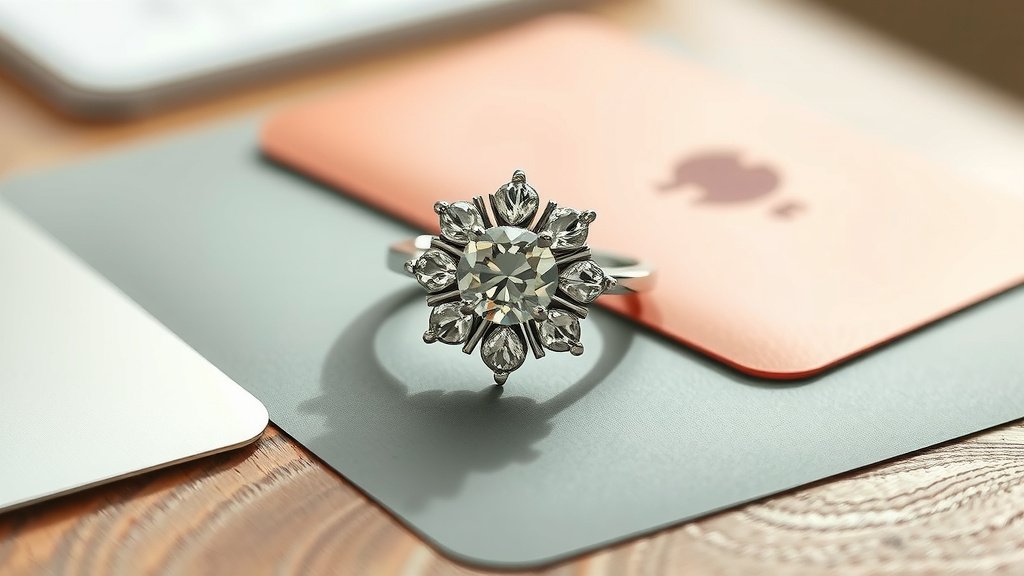
Prong settings are perhaps the most classic way to set a stone. You’ve likely seen them on engagement rings everywhere. They work by using small metal prongs that extend upwards from the ring’s band. These prongs grip the edges of the gemstone. The goal is to hold the stone securely while showing off as much of it as possible. This design allows light to hit the stone from many angles. That’s why stones in prong settings tend to sparkle the most.
How Many Prongs Are Best?
The number of prongs can vary. You’ll often see rings with three, four, or six prongs. Each number offers a slightly different look and level of security. A four-prong setting is a very popular choice. It offers a good balance between security and allowing light to enter. A six-prong setting provides even more security. It makes the stone appear more stable. Some settings might even have eight prongs for maximum hold.
The Popular Four-Prong Setting
Research shows that the four-prong setting is a favorite for many. It allows a good amount of light to reach the gem. This leads to a beautiful play of light and sparkle. It’s also pretty straightforward to clean. You can often get a small brush under the prongs to remove dirt.
The Super Secure Six-Prong Setting
If you’re worried about your stone coming loose, a six-prong setting might be for you. It covers more of the stone’s edge. This provides a very secure hold. Many experts agree that this added security can be beneficial for active individuals. However, it does cover a tiny bit more of the stone. This might slightly reduce the amount of light entering the gem compared to a four-prong.
Pros and Cons of Prong Settings
Prong settings really let your gemstone shine. They give the stone a very open and airy look. This openness means maximum light exposure, which translates to brilliant flashes of color and light. You’ll see more of the stone’s natural beauty. It’s also often easier to find prong settings with unique or lower-profile designs.
On the flip side, those open prongs can catch on things. Think sweaters, scarves, or even gloves. This can be a concern if you lead a very hands-on lifestyle. We found that the prongs themselves can sometimes wear down over time, especially with constant contact. Regular check-ups with a jeweler are a good idea. They can ensure the prongs are still holding your stone tightly.
The Protective Embrace: Exploring Bezel Settings
Bezel settings offer a very different approach to holding your gemstone. Instead of prongs, a thin metal rim encircles the entire gemstone. This rim is custom-fitted to the stone. It essentially creates a protective wall around it. This design is fantastic for keeping your stone safe from bumps and snags. Many people choose bezel settings for their sleek and modern appearance. They also tend to have a lower profile than prong settings.
Full Bezel vs. Partial Bezel
Bezel settings aren’t just one style. You can find full bezels or partial bezels. A full bezel completely surrounds the gemstone. This offers the highest level of protection. A partial bezel, sometimes called a “half-bezel,” only goes partway around the stone. It might just hug two sides or three sides. This style still provides more security than many prong settings. It also allows more light into the stone than a full bezel does.
The Beauty of a Full Bezel
A full bezel setting is like a hug for your gemstone. It’s incredibly secure. This is why many jewelers recommend it for gemstones that might be softer or more prone to damage. For example, some experts suggest this for stones like opals or pearls. The metal band acts as a barrier. It stops everyday knocks from reaching the stone directly. This setting is also very smooth. It doesn’t have any prongs to catch on clothing.
The Compromise of a Partial Bezel
If you love the security of a bezel but want more sparkle, a partial bezel could be perfect. It offers a good middle ground. You get some of the protective qualities of a full bezel. But you also allow more light to enter the stone. This makes the gem appear brighter. We found that this style is becoming increasingly popular for those seeking a blend of safety and shimmer.
Pros and Cons of Bezel Settings
The primary benefit of a bezel setting is its excellent protection. The metal rim safeguards your gemstone from impacts and scratches. This makes it an ideal choice for people with active lifestyles or those who simply want peace of mind. Bezel settings also have a very smooth finish. This means no snagging on clothes, and they are generally easy to clean. A simple wipe with a soft cloth often does the trick. They also give rings a clean, minimalist look that many find very appealing.
However, the metal rim does cover some of the gemstone. This can slightly reduce the amount of light that enters the stone. Consequently, the sparkle might not be as intense as with a well-executed prong setting. We’ve also observed that depending on the metal and the stone, a bezel can sometimes make the gemstone appear slightly larger or smaller than it is. It really depends on the specific design.
Choosing the Right Setting for Your Lifestyle
Deciding between prong and bezel settings really comes down to your priorities. Think about how you’ll be wearing your ring. Are you someone who is constantly on the go? Do your hands get a lot of use throughout the day? If so, the superior protection of a bezel setting might be the smarter choice. It offers peace of mind that your stone is safe.
On the other hand, if your main goal is to maximize the sparkle and brilliance of your gemstone, a prong setting might be more suitable. Many people adore the way light dances off a prong-set stone. It truly highlights the gem’s fire and radiance. We found that both settings can be beautiful, but they serve different aesthetic and practical needs.
A Quick Comparison Table
| Feature | Prong Setting | Bezel Setting |
|---|---|---|
| Sparkle & Light | Excellent; maximum light entry | Good; some light reduction |
| Protection | Good; prongs can snag | Excellent; superior security |
| Style | Classic, airy | Modern, sleek, smooth |
| Maintenance | Requires occasional prong checks | Easy to clean, less prone to damage |
| Best For | Maximizing brilliance, delicate stones | Active lifestyles, durable stones, security |
Your Ring Setting Checklist
To help you finalize your decision, consider these points:
- How active is your lifestyle?
- Do you prioritize sparkle above all else?
- Is maximum security for your stone a top concern?
- What kind of aesthetic are you aiming for? (Classic vs. Modern)
- What type of gemstone are you setting? (Some are more delicate)
- Are you comfortable with potential snagging?
Conclusion
We’ve explored the world of prong and bezel settings, and now you’re ready to make an informed choice. Remember, prong settings offer maximum sparkle by allowing light to flood your gemstone. They’re a classic for a reason, letting your stone shine its brightest. On the other hand, bezel settings provide a robust shield, protecting your gem with a sleek, modern embrace. Your lifestyle and what you value most in your jewelry should guide your decision. Visit your jeweler to see these settings in person and feel which one is right for you.
Frequently Asked Questions
Which setting is better for engagement rings: prong or bezel?
Both settings are excellent for engagement rings, but they suit different needs. If maximizing your diamond’s sparkle is your top priority, a prong setting is often preferred. For a more active lifestyle or if you want extra peace of mind, a bezel setting offers superior protection.
Can a prong setting damage a gemstone?
While prong settings are generally secure, the exposed nature of the prongs can sometimes make the gemstone more susceptible to chips or scratches if it gets hit directly. Regular checks by a jeweler can help ensure the prongs are holding the stone tightly and in good condition.
Are bezel settings more expensive than prong settings?
The cost difference between prong and bezel settings is usually minimal. The price is more influenced by the metal type, the complexity of the design, and of course, the gemstone itself. Bezel settings might sometimes use slightly more metal, but this doesn’t always translate to a significantly higher price.
Which setting looks better with softer gemstones like opals?
For softer or more delicate gemstones like opals, pearls, or emeralds, a bezel setting is often recommended. The full metal rim provides excellent protection against bumps and scratches, which these stones are more prone to. This security can help preserve the beauty of your gem for years to come.
How do prong and bezel settings affect the perceived size of a gemstone?
A prong setting, with its open design, tends to showcase the full size of the gemstone. A bezel setting, however, can sometimes make a stone appear slightly larger because the metal band encircles it, creating a visual frame. Conversely, the metal coverage can sometimes make a stone appear a touch smaller, depending on the design.