Engagement Ring vs Wedding Ring: What’s the Difference
An engagement ring and a wedding ring are actually two different pieces of jewelry. While both signify love and commitment, the engagement ring is typically given when you propose, and the wedding ring is exchanged during the ceremony. Your engagement ring is often a statement piece with a prominent diamond, while wedding bands are traditionally simpler and meant for everyday wear. Think of it this way: one starts your journey, the other seals it.
Many people wonder if they’ll wear both rings together after getting married. The answer is usually yes! It’s common to wear your wedding band stacked with your engagement ring on the same finger. This layered look has become incredibly popular, creating a beautiful and meaningful symbol of your union. We found that styles vary greatly, from matching sets to contrasting textures and metals. It’s all about what feels right for you and your partner.
- Engagement rings start the proposal.
- Wedding rings are exchanged at the ceremony.
- You can wear both rings together.
- Stacking bands adds personal style.
- Your rings tell your unique love story.
Let’s walk through the distinctions between engagement rings and wedding rings, and how you can best wear them.
Engagement Rings vs. Wedding Bands: What’s the Difference?
Understanding the distinction between an engagement ring and a wedding band is key. They serve different purposes in your love story. Think of them as two chapters in your relationship’s beautiful book. One starts a new journey, and the other seals it. We found that many couples are curious about these differences.
The Purpose of an Engagement Ring
An engagement ring is traditionally given during a marriage proposal. It’s a symbol of your intention to marry. The proposal is often a surprise moment. You might get down on one knee. The ring is presented as a token of your commitment. It says, “I want to spend my life with you.”
Design Characteristics of Engagement Rings
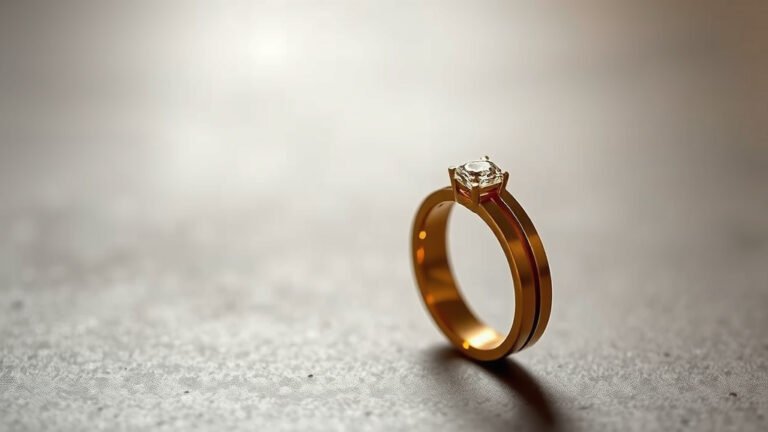
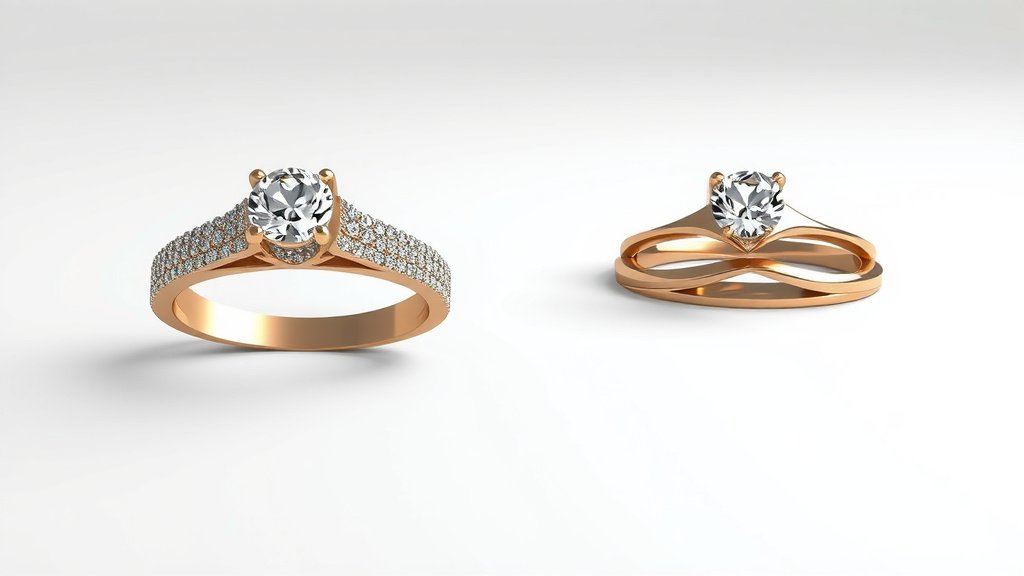
Engagement rings often feature a prominent gemstone. The diamond is the most popular choice. This is because diamonds are seen as symbols of eternal love. They are also very durable. Many engagement rings have a solitaire setting. This means one large stone sits on the band. Other designs include pavé settings or halo settings. These add extra sparkle. Research shows that the average engagement ring cost varies greatly by region and personal preference.
The Role of a Wedding Ring (or Band)
A wedding ring, also called a wedding band, is exchanged during the wedding ceremony. This exchange is a central part of the vows. It signifies your commitment to each other. It’s a public declaration of your union. The rings are swapped as a symbol of your lifelong promise. Many couples choose matching wedding bands. This shows they are a united team.
Typical Styles for Wedding Bands
Wedding bands are often simpler in design than engagement rings. They are meant for everyday wear. This means they need to be comfortable and durable. Many wedding bands are plain metal bands. These can be gold, platinum, or silver. Some have small diamonds or intricate patterns. The style often complements the engagement ring. We found that comfort is a major factor for couples choosing wedding bands. Learn more about why comfort is a major factor when choosing wedding bands.
Can You Wear Both Rings?
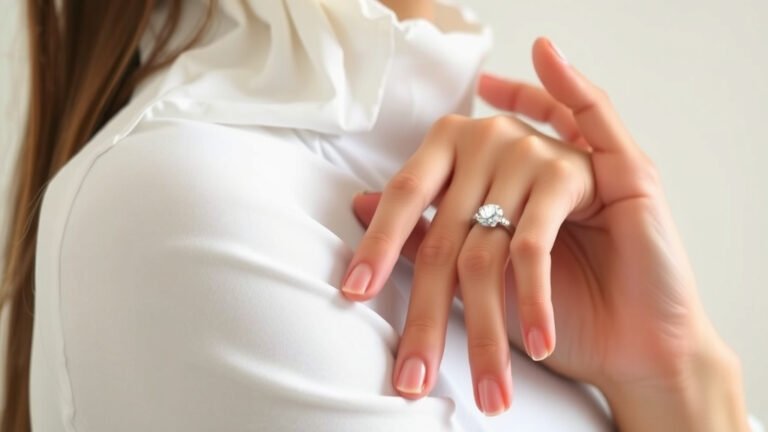
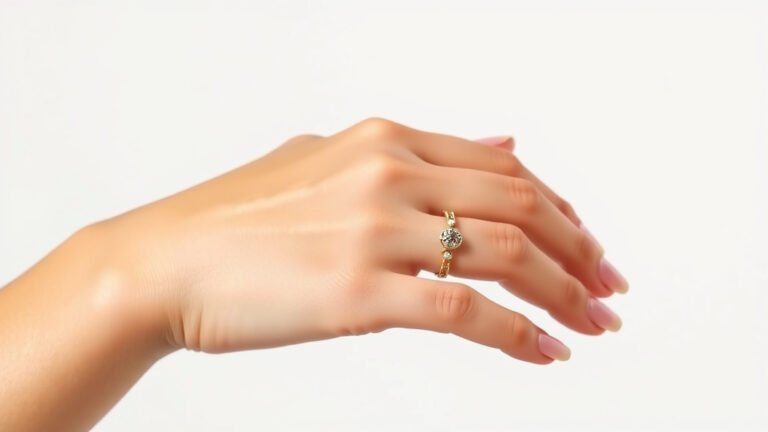
Yes, absolutely! It’s very common to wear both your engagement ring and your wedding band together. This is often referred to as “stacking” your rings. Many people wear them on the same finger. This creates a beautiful and meaningful combination. The wedding band sits closest to your palm. The engagement ring is worn on top of it. This layered look is a modern tradition. It’s a visual representation of your journey together. Some couples even get their wedding bands custom-made. They ensure a perfect fit alongside the engagement ring.
Styling Your Stacked Rings
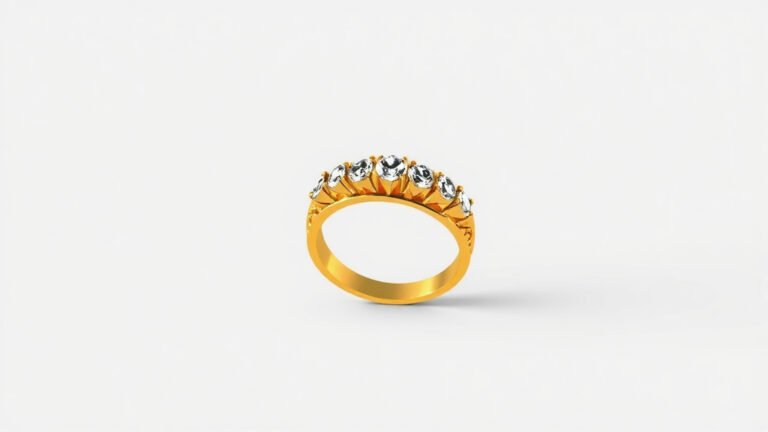
The way you stack your rings is a personal choice. Some couples prefer matching sets. The engagement ring and wedding band might have a similar metal or design. This creates a cohesive look. Others like a contrasting style. Maybe your engagement ring has a large diamond. Your wedding band could be a simple metal or have a row of smaller diamonds. We found that many couples enjoy mixing metals. This adds a unique touch to their stacked rings.
| Feature | Engagement Ring | Wedding Ring (Band) |
|---|---|---|
| Timing of Giving | During the proposal | During the wedding ceremony |
| Primary Symbolism | Intention to marry; a promise | Sealed commitment; lifelong union |
| Typical Design | Often features a prominent center stone (e.g., diamond) | Traditionally simpler, meant for everyday wear; can be plain metal or have smaller stones |
| Common Wearing Practice | Worn on the left ring finger; often stacked with a wedding band | Worn on the left ring finger, usually stacked with the engagement ring |
Making Your Ring Choice Personal
Ultimately, the most important thing is that your rings feel right for you. They are symbols of your unique love story. There are no strict rules you must follow. Some people choose to wear only a wedding band. Others might skip the engagement ring altogether. Many research shows that the trend towards personalization is growing. Couples are opting for rings that truly reflect their personalities and relationship.
Choosing the Right Fit for Your Fingers
When you decide to stack your rings, fit is important. The wedding band should sit comfortably next to the engagement ring. It shouldn’t spin freely or feel too tight. Some jewelers offer ring guards or sizing beads. These can help keep your stacked rings in place. Others recommend having your rings professionally fitted together. This ensures they look and feel perfect. We found that many couples consult with their jeweler about the best way to stack their chosen rings.
A Checklist for Your Ring Journey
Here’s a quick guide to keep in mind as you select your rings:
- Discuss with your partner: What do you both envision?
- Consider your lifestyle: Will the rings be comfortable for daily wear?
- Think about the metal: Do you prefer gold, platinum, or another material?
- Gemstone preferences: What stones, if any, do you want?
- Budget: Set a realistic budget for both rings.
- Comfort is key: Try on different styles to see what feels best.
Remember, these rings will be with you for a lifetime. They are tangible reminders of your love. Whether you choose a classic diamond solitaire and a simple gold band, or something more unique, they will mark the beginning of your married life together. The most beautiful ring is the one that tells your story.
Conclusion
You’ve learned that engagement rings and wedding bands, while both symbols of love, have distinct roles. An engagement ring traditionally marks your proposal, often featuring a statement stone. Your wedding band, exchanged at the ceremony, is a simpler, durable symbol of your sealed union. Many couples love to wear both, stacking them for a personalized look that tells their unique love story. The most important aspect is choosing rings that feel right for you and your partner, reflecting your personal style and commitment. Your next step is to discuss these elements together and start browsing styles that speak to your relationship’s journey.
Frequently Asked Questions
Do I have to wear an engagement ring and a wedding band?
No, you don’t have to wear both. While stacking an engagement ring and wedding band is very common and popular, it’s not a requirement. Some couples prefer to wear only a wedding band, or perhaps an engagement ring without a traditional wedding band. Your choice should reflect what feels most meaningful and comfortable for you.
What is the difference in cost between an engagement ring and a wedding band?
Generally, engagement rings tend to be more expensive than wedding bands because they often feature a larger, more prominent gemstone, like a diamond. Wedding bands are traditionally simpler and designed for everyday wear, so their cost is often lower, depending on the metal and any smaller stones they may have.
Which finger do you wear an engagement ring and wedding band on?
In the United States and many Western cultures, both the engagement ring and the wedding band are traditionally worn on the fourth finger of the left hand. This is often called the “ring finger” because it’s believed a vein runs directly from this finger to the heart.
Can my wedding band be a different metal than my engagement ring?
Absolutely! While matching metals create a cohesive look, mixing metals is a popular and stylish choice. Many couples enjoy combining different metals, like a white gold engagement ring with a rose gold wedding band, to create a unique and personalized stacked look. We’ve found this contrast adds visual interest.
What if my engagement ring and wedding band don’t sit perfectly flush together?
It’s quite common for engagement rings and wedding bands not to sit perfectly flush, especially with intricate engagement ring settings. Many couples choose to embrace this slight gap as part of their unique stack. If it bothers you, you can consult a jeweler about options like a custom-designed wedding band that curves to fit your engagement ring, or consider a ring guard for a smoother transition.