How to Value an Old Ring: A Complete Guide
Valuing an old ring involves several key factors. Generally, you’ll want to consider the metal type, the gemstones, the ring’s age and condition, and any unique maker’s marks or hallmarks. A professional appraisal is the most accurate way to determine its worth.
Understanding these elements helps you get a better idea of your ring’s history and potential value. It’s not just about the sparkle; the story behind the piece can add to its charm and price. Many factors contribute to an old ring’s overall worth.
- Assess the metal: Gold, silver, platinum all have different values.
- Identify gemstones: Diamond, sapphire, or other stones impact price.
- Check for damage: Wear and tear can affect the ring’s value.
- Look for hallmarks: These indicate origin and purity.
- Consider an appraisal: A professional can give you a precise valuation.
Let’s walk through exactly how to figure out what your old ring might be worth, step by step.
Understanding Your Old Ring’s Worth
Figuring out what your old ring is worth can feel like a treasure hunt. You’ve got this piece of jewelry, maybe inherited or found tucked away. You’re curious about its story and its price tag. We’re here to guide you through the process. It’s about more than just the shine; it’s about the history and materials that make it unique.
Examining the Metal: The Foundation of Value
The metal your ring is made from plays a huge role in its value. Think of it as the canvas for the artwork. The purity and type of metal determine its base worth. This is often the first thing appraisers look at.
Common Precious Metals and Their Markings
You’ll often find markings, or hallmarks, stamped inside the band. These tell you what the metal is and how pure it is. This is really important for knowing the metal’s value.
- Gold: Look for numbers like 10K, 14K, 18K, or 24K. These indicate the karat, or purity, of the gold. Higher karat numbers mean more pure gold and thus higher value. You might also see “750” for 18K or “585” for 14K.
- Silver: Common markings for silver include “925” (meaning sterling silver, 92.5% pure) or “800.” Pure silver is quite soft, so sterling is the most common for jewelry.
- Platinum: Platinum is often marked as “PT” followed by a number like 950 (95% pure) or 900. It’s a dense, rare, and durable metal, often making it more valuable than gold.
What If There’s No Mark?
Don’t panic if you can’t find a stamp. Sometimes, older rings or rings from certain regions might not have clear markings. A jeweler can test the metal for you using a simple acid test or an electronic device. This ensures you know exactly what you’re working with.
The Sparkle Factor: Assessing Gemstones
The stones in your ring are like the stars of the show. Their type, size, quality, and rarity greatly influence the ring’s overall worth. Even a small, beautiful stone can add considerable value.
Diamonds: The Classic Choice
If your ring has diamonds, four main factors determine their value: the 4 Cs. These are cut, color, clarity, and carat weight. A diamond with a better cut, higher color grade (closer to colorless), better clarity (fewer imperfections), and larger carat weight will be worth more.
We found that even slight differences in these Cs can make a big price difference. For instance, a diamond that looks visibly different to the naked eye will command a higher price than one that appears similar but has a much lower clarity grade.
Colored Gemstones: A World of Color
Beyond diamonds, many rings feature colorful gemstones. Sapphires, rubies, emeralds, and amethysts are popular. Their value depends on several factors:
- Color: For most colored stones, the intensity and purity of the color are key. A vivid, well-saturated sapphire is usually more valuable than a pale one.
- Clarity: Like diamonds, clarity matters. However, some gemstones naturally have inclusions (internal flaws), and these might be more acceptable.
- Cut: A good cut maximizes the stone’s brilliance and color.
- Carat Weight: Larger stones generally fetch higher prices.
- Rarity and Origin: Some gemstones, like certain colored diamonds or imperial topazes, are quite rare. The origin of a stone can also impact its value; for example, Burmese rubies have historically been highly prized.
Many gemological institutes, like the GIA, provide grading reports for significant gemstones. These reports detail the stone’s characteristics and can offer proof of its quality.
Simulants vs. Synthetics vs. Natural
It’s crucial to know if a stone is natural, synthetic (lab-created), or a simulant (a different material that looks like the real thing). Natural stones typically hold the most value. Synthetics can be chemically identical to natural stones but are usually less expensive. Simulants, like cubic zirconia for diamonds, have much lower value.
Age, Condition, and Craftsmanship Matter
A ring’s history and how well it’s been preserved contribute significantly to its worth. An antique ring in pristine condition is often more desirable than one that’s heavily worn.
The Importance of Condition
Inspect your ring closely. Are there any loose stones? Is the band bent or worn thin? Are there nicks or scratches on the metal or gemstones? Significant damage can lower the value, as repairs can be costly or might not restore the ring perfectly. Some wear is expected, especially on very old pieces. It shows the ring has a life lived.
Hallmarks and Maker’s Marks: Clues to Origin
We’ve mentioned hallmarks for metal purity. But there are also maker’s marks. These are symbols or initials that identify the company or jeweler who made the ring. A mark from a renowned historical designer can increase the ring’s desirability and value. Researching these marks can sometimes uncover a fascinating backstory.
Unique Styles and Design Features
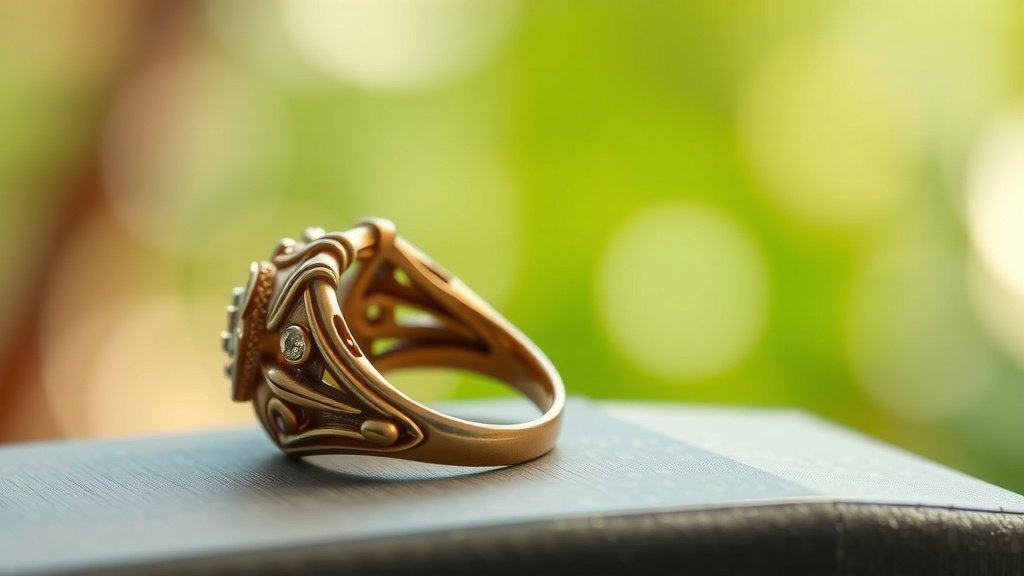
Some old rings are valued for their unique design, craftsmanship, or historical period. Art Deco, Victorian, or Edwardian styles, for example, have dedicated collectors. If your ring features intricate filigree work, hand engraving, or a distinctive setting, this artistry adds to its charm and potential price.
When to Seek a Professional Appraisal
While you can do a lot of homework yourself, a professional appraisal is the most accurate way to determine your ring’s value. An appraiser is a trained expert who can identify materials, assess quality, and provide a formal valuation.
What an Appraiser Does
They will meticulously examine your ring, noting all the details we’ve discussed: metal type and purity, gemstone identification and grading, condition, measurements, and any distinguishing marks. They’ll compare it to similar items on the market.
Why It’s Worth It
For insurance purposes, selling, or simply for peace of mind, an appraisal offers a definitive worth. Many experts say an appraisal report is a crucial document to have. It provides a detailed description and a monetary value. This is especially important for valuable or antique pieces.
Finding a Qualified Appraiser
Look for appraisers who are certified by professional organizations. They often specialize in fine jewelry. An appraiser’s fee is typically an hourly rate, not a percentage of the ring’s value. This ensures their valuation is unbiased.
Your Ring’s Value Checklist
Here’s a quick rundown to help you get started:
- Metal Check: Look for stamps (e.g., 14K, 925, PT950) and note the color.
- Gemstone ID: What kind of stones are present? Are they clear, colored, or diamonds?
- Condition Scan: Note any visible damage, wear, or loose settings.
- Markings Hunt: Search for any tiny stamps that might be maker’s marks or hallmarks.
- Age Guess: Does the style look very old (e.g., antique, vintage)?
- Professional Opinion: Consider an appraisal for an accurate valuation.
Conclusion
You’ve learned how to start valuing your old ring by examining its metal, gemstones, and condition. Remember, a ring’s story and craftsmanship can add charm beyond its materials. While personal inspection is a great first step, getting a professional appraisal is the best way to know its true worth. Take the next step and have your ring assessed by an expert for a clear understanding of its history and market value.
Frequently Asked Questions
How can I tell if my old ring is real gold or just gold-plated?
Look for hallmarks stamped on the inside of the band, like 10K, 14K, or 18K for gold. If you can’t find a stamp, a jeweler can test the metal using a simple acid test or an electronic scanner to confirm its purity and whether it’s solid or plated.
What if my ring has scratches or is a bit bent? Does that automatically make it worthless?
Minor wear and tear are normal for older rings and usually don’t make them worthless. Significant damage, like a bent band or very thin metal, can lower the value. Repairs might be needed, and their cost will be factored into the appraisal.
Are antique rings always worth more than vintage ones?
Not necessarily. While age can be a factor, the value of both antique and vintage rings depends more on the quality of materials, rarity, craftsmanship, condition, and historical significance. A well-preserved, beautifully designed vintage piece could be worth more than a damaged antique one.
Can I get a free appraisal for my old ring?
Some jewelers offer a free verbal appraisal or an estimate if you’re considering selling to them. However, for official, written appraisals needed for insurance or estate purposes, you should expect to pay a fee, usually an hourly rate.
Where is the best place to get an old ring appraised?
Look for an independent appraiser who is certified by a professional organization like the American Gem Society (AGS) or the National Association of Jewelry Appraisers (NAJA). They have the expertise and offer unbiased valuations, often specializing in fine or antique jewelry.