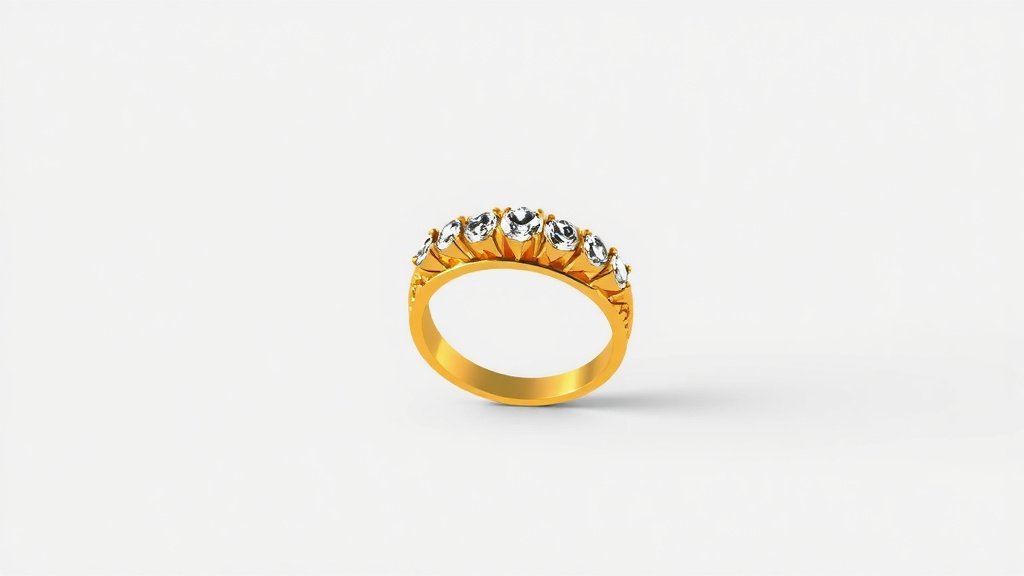
How Much Gold Is In A Ring? The Real Answer
The amount of gold in a ring depends heavily on its karat purity and the ring’s overall weight. A 14K gold ring, for example, contains about 58.3% pure gold, while an 18K ring is closer to 75% pure gold. Most everyday gold rings are not made of 100% pure gold because it’s too soft.
When you’re wondering about the gold content, it’s good to think about the type of gold used and the design. The alloy metals mixed with gold can affect its color and durability. Understanding these factors helps you appreciate the true value of your jewelry.
- Gold content varies by karat (e.g., 10K, 14K, 18K, 24K).
- Higher karats mean more pure gold.
- Ring weight significantly impacts the total gold amount.
- Alloys mixed with gold affect color and hardness.
Let’s break down how to figure out the gold content in your ring and what it really means.
“`htmlUnderstanding Gold Purity in Your Ring
So, how much actual gold is really sitting on your finger? It’s a question many of us wonder, especially when admiring a ring’s shine. The answer isn’t as simple as a single number. It really boils down to two main things: the karat rating and the weight of the ring.
Pure gold, known as 24K gold, is incredibly soft. Think of it like soft butter. Because of this, pure gold isn’t practical for everyday jewelry that needs to withstand bumps and wear. Jewelers mix gold with other metals to make it stronger and more durable. These added metals are called alloys.
What Does Karat Really Mean?
You’ve likely seen numbers like 10K, 14K, or 18K stamped on jewelry. This is the karat system. It’s a way to measure the purity of gold. Think of it like this: 24 karats represent pure gold.
So, if a ring is 14K, it means that 14 out of the 24 parts are pure gold. The other 10 parts are alloy metals. We found that this is a common way to balance gold’s beauty with the need for durability.
Breaking Down the Karats
Let’s look at the common karat levels and what they mean in terms of gold content. This will help you see how much pure gold is in your jewelry.
| Karat (K) | Gold Purity (Approximate) | Alloy Content (Approximate) |
|---|---|---|
| 24K | 99.9% | 0.1% |
| 22K | 91.7% | 8.3% |
| 18K | 75.0% | 25.0% |
| 14K | 58.3% | 41.7% |
| 10K | 41.7% | 58.3% |
As you can see, the higher the karat number, the more pure gold is in the ring. A 14K ring has more gold than a 10K ring. Conversely, an 18K ring has more pure gold than a 14K ring. Many experts agree that 14K and 18K are popular choices for engagement rings and wedding bands because they offer a good mix of gold content and resilience.
The Impact of Ring Weight
Now, let’s talk about weight. Even a ring with a high karat rating won’t contain a lot of gold if it’s very small or lightweight. Imagine two identical rings, but one is twice as thick as the other. The thicker ring will naturally have more metal, and therefore more gold, than the thinner one.
We found that ring weight is often measured in grams. A heavier ring means more metal overall. This, combined with the karat purity, determines the exact amount of gold. For example, a 5-gram 14K ring will have more gold than a 3-gram 14K ring. It’s simple math, really!
Calculating Gold Content: A Simple Example
Let’s say you have a 4-gram 14K gold ring. Since 14K gold is about 58.3% pure gold, you can estimate the gold content like this:
4 grams (ring weight) * 0.583 (gold purity) = 2.332 grams of pure gold.
So, in that 4-gram ring, you have over 2.3 grams of actual pure gold. The rest is made up of the alloy metals, which give the ring its color and strength.
Understanding Gold Colors and Alloys
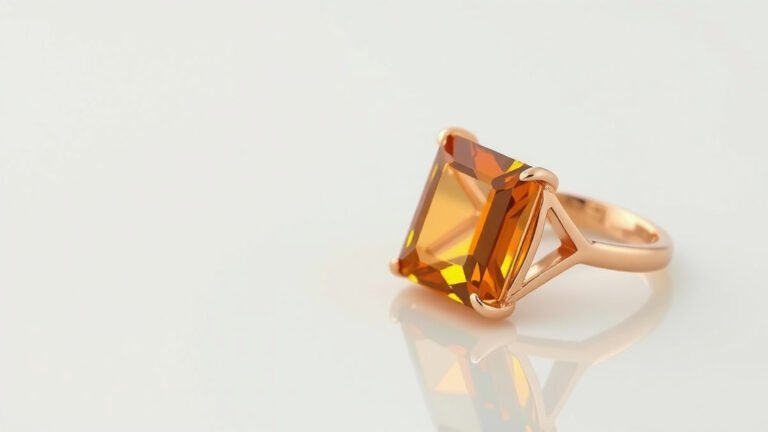
The metals mixed with gold, the alloys, do more than just add strength. They also determine the ring’s color. You might have seen yellow gold, white gold, and rose gold. These all start with gold, but different alloys create those distinct looks.
For instance, white gold often includes metals like palladium or nickel. Rose gold gets its pinkish hue from copper. Yellow gold usually has a mix of silver and copper. Many jewelers report that these alloy choices are key to creating the beautiful variety of gold jewelry we see today.
Where to Find Your Ring’s Gold Information
You can usually find information about your ring’s gold content right on the piece itself. Look for tiny stamps or hallmarks. These are often on the inside of the band.
You might see numbers like “14K,” “18K,” or “585” (which means 58.5% gold, equivalent to 14K). Sometimes, you’ll also see a maker’s mark. If you can’t find a stamp or are unsure, a jeweler can help you determine the gold purity and weight. We found that this is a common and reliable way to get accurate information.
Quick Checklist for Your Ring’s Gold Content:
- Check for a stamp (e.g., 10K, 14K, 18K).
- Note the ring’s weight in grams if possible.
- Understand that higher karats mean more pure gold.
- Remember alloys affect color and durability.
- Consider consulting a jeweler for confirmation.
- Know that most everyday rings aren’t 24K pure gold.

Conclusion
You now have a clearer picture of how much gold might be in your ring. Remember, it’s all about the karat purity and the ring’s total weight. Higher karats mean more pure gold, but alloys are essential for durability and color. Most everyday rings strike a balance, offering beauty without the extreme softness of pure 24K gold. Take a moment to check the hallmarks on your own rings, or ask a trusted jeweler for help. Understanding these details helps you appreciate your jewelry even more!
Frequently Asked Questions
What’s the easiest way to tell if a ring is real gold?
The easiest way is to look for a small stamp or hallmark, usually on the inside of the band. These marks often indicate the karat of gold, such as “14K” or “18K.” You might also see numerical equivalents like “585” for 14K gold. If you can’t find a stamp, a jeweler can test the gold’s purity for you.
Can a ring be made of 100% pure gold?
While 100% pure gold exists as 24K gold, it’s rarely used for rings. Pure gold is extremely soft and easily scratched or bent, making it impractical for everyday wear. Jewelers mix gold with other metals (alloys) to create stronger, more durable jewelry.
Does the color of gold affect how much pure gold is in it?
Yes, the color of gold is determined by the alloys mixed with it, which also affects the pure gold content. For example, white gold often uses palladium or nickel, while rose gold uses copper. The karat rating (like 14K or 18K) tells you the percentage of pure gold, regardless of its color. A 14K yellow gold ring and a 14K rose gold ring will have the same percentage of pure gold.
How do I calculate the actual amount of gold in my ring if I know its weight?
To calculate the approximate amount of pure gold, you need the ring’s total weight in grams and its karat rating. First, find the percentage of pure gold for that karat (e.g., 14K is about 58.3%). Then, multiply the ring’s total weight by that percentage. For example, a 5-gram 14K ring has approximately 5 grams * 0.583 = 2.915 grams of pure gold.
What is the difference between 10K, 14K, and 18K gold?
The main difference is the percentage of pure gold content. 10K gold is about 41.7% pure gold, 14K gold is about 58.3% pure gold, and 18K gold is about 75% pure gold. Higher karat numbers mean more pure gold, but also a softer metal that may be less durable for everyday wear compared to lower karat options.