
Can an Opal Crack? The Truth About Opal Durability
Yes, an opal can crack — and it’s more likely to than many other gemstones. Opals are softer stones, and they contain water inside them, which makes them prone to cracking under sudden impacts or big temperature changes. The good news? With a little care, you can keep your opal safe and sound for years.
Here’s what we found during our research: there are two main types of damage to watch for. A chip happens from a hard knock, while crazing is a web of tiny cracks caused by drying out or extreme heat. Many experts say the difference matters, because one is an accident and the other is preventable.
So what’s the quick takeaway? Here you go:
- Yes, opals can crack — they’re softer than most gemstones.
- Sudden impacts are the biggest cause of chips and breaks.
- Extreme heat or dryness can lead to crazing, a network of small cracks.
- Storing your opal away from heat and wearing it gently helps a lot.
- Cracks can sometimes be repaired, but prevention is always cheaper.
Below, we break down everything you need to know about why opals crack, how to prevent it, and what to do if the damage is already done. Let’s dive in.
Why Opals Crack More Easily Than Other Gems
Opals rank lower on the hardness scale than gems like diamonds or sapphires. We found that most opals sit between 5.5 and 6.5 on the Mohs scale, while diamonds hit a perfect 10 (Gemological Institute of America). Softer stone means easier damage. It’s that simple.
There’s another twist, too. Opals hold water inside their structure — usually between 3% and 20%. Many experts say this moisture is part of what gives opals their famous play of color. But it also means the stone can react badly to dryness and heat.
Think of an opal like a fresh loaf of bread. Leave it out in the sun too long, and things start to go wrong.
Chips and Cracks: What’s Actually Happening to Your Stone
Not all damage looks the same. Knowing what type of crack you’re dealing with helps you figure out what went wrong — and how to fix it.
Impact Damage: Chips, Breaks, and Clean Splits
A hard knock against a countertop or a drop onto tile can chip the edge of your stone. In worse cases, the opal can split cleanly along a weak line. We found that opals, unlike diamonds, have no grain pattern to absorb shocks, so hits travel straight through the stone.
Rings take the worst of it. Your hands bump into things all day — door frames, dishes, gym equipment. That’s why many jewelers suggest avoiding opal rings if you’re rough on your jewelry.
Crazing: The Web of Tiny Cracks
Crazing looks like a spiderweb of fine lines across the surface. It happens when an opal loses moisture too fast or gets exposed to extreme heat. Many experts say crazing can appear even without a single knock — just from bad storage conditions.
The tricky part? Once crazing starts, it can’t truly be reversed. Prevention matters far more than repair here.
Quick Comparison of the Two Damage Types
| Type of Damage | What Causes It | What It Looks Like | Can It Be Fixed? |
|---|---|---|---|
| Chip or break | Sudden impact, drops, hard knocks | Missing piece or clean split | Sometimes, by a professional |
| Crazing | Heat, dryness, rapid moisture loss | Fine web of hairline cracks | No, only minimized |
Everyday Situations That Put Your Opal at Risk
You don’t need to wrap your opal in bubble wrap and lock it away. But some everyday situations deserve extra caution, based on what we found during our research.
Heat, Hot Water, and Sudden Temperature Swings
Hot kitchens, saunas, dishwashers, and even hot car dashboards are trouble. A rapid change from cold to hot can stress the stone from the inside out. Health guidance about burns and heat exposure applies to skin, not stones — but the CDC notes that sudden temperature extremes stress many materials, and gemologists say opals are no exception.
Here’s a fun analogy: it’s like pouring boiling water into a cold glass. Something’s gotta give.
Household Chores and Chemicals
Cleaning products, bleach, and even some beauty products can dull an opal’s polish over time. Many experts recommend removing opal jewelry before cleaning, gardening, or swimming. Chlorine in pools doesn’t do the stone any favors either.
Rough Storage Habits
Tossing your opal ring into a jewelry box with diamonds and other harder gems? Bad idea. Harder stones can scratch the opal every time they touch. Give your opal its own soft pouch and its own space.
Your Opal Protection Checklist
Want the short version? Here’s a simple checklist to keep your stone safe:
- Remove opal jewelry before washing dishes, exercising, or showering.
- Store it in a soft cloth pouch, away from other gemstones.
- Keep it out of direct sunlight and away from heat sources.
- Avoid sudden temperature changes — like stepping from an air-conditioned room into blazing heat while wearing your ring.
- Wipe it gently with a soft, damp cloth instead of ultrasonic cleaners.
- Have it checked by a jeweler once a year, especially if it’s in a ring you wear often.
How to Clean an Opal Without Damaging It
Gentle wins every time here. Use lukewarm water, a drop of mild dish soap, and a soft cloth or baby toothbrush. Gently wipe, rinse, and pat dry. Many experts say plain soap and water is all you ever need (Gemological Institute of America).
Skip the ultrasonic cleaner. Skip the steam cleaner. Skip the harsh jewelry dips. These machines shake and heat stones in ways that can crack opals — and no cleaning shortcut is worth that risk.
One question we hear a lot: should you store opals with a damp cotton ball to keep them hydrated? We found that experts disagree on this. Some older advice suggests it, but modern gemologists generally say a stable, cool, dry environment is enough — and wet storage can damage settings over time.
Can a Cracked Opal Be Repaired?
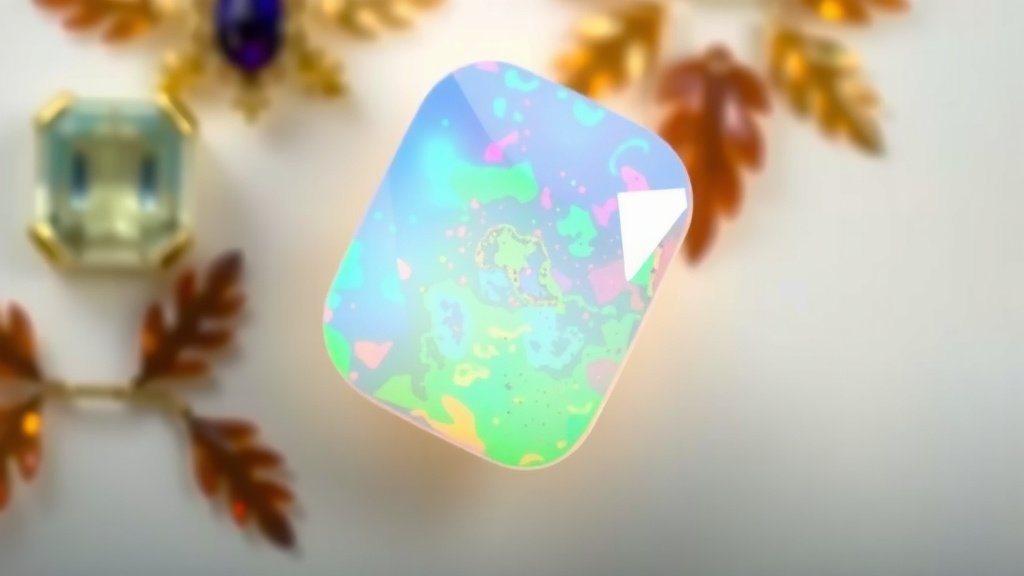
Sometimes, yes. For small chips, a skilled jeweler can re-polish the surface or reshape the stone. This often removes the damage entirely — though the opal may end up slightly smaller. Fair trade, right?
Deeper cracks are harder. Fillers and adhesives can stabilize the stone, and resining is a common fix for crazed opals. But these repairs can affect value, and they don’t undo the damage — they hide it. Many experts say a repaired stone should be treated even more gently afterward. For a broader look at repairing a damaged ring, our step-by-step guide covers DIY fixes and when to call a jeweler.
If the crack runs deep or the stone feels loose in its setting, stop wearing it and take it to a professional. Continuing to wear a cracked opal risks turning a small problem into a shattered one.
Does Opal Type Change the Cracking Risk?
It does. Not all opals are equally fragile.
Solid Opals vs. Doublets and Triplets
A solid opal is one solid piece of stone. A doublet is a thin slice of opal glued to a dark backing. A triplet adds a clear dome on top. We found that doublets and triplets use thinner opal layers, which can separate from the backing if they get soaked in water for long periods.
Different Varieties, Different Durability
Black opals from Lightning Ridge in Australia are often considered among the most durable of the precious opals. Boulder opals, which are attached to their natural host rock, also tend to hold up better. White and fire opals can be somewhat more delicate, and hydrophane opals — which soak up water — need extra care around any liquid. Many experts say Australian opals in general tolerate everyday wear well, while some Ethiopian varieties are more sensitive to water changes.
Are Opals Too Fragile for Everyday Wear?
Not necessarily — but location matters. Worn as earrings, pendants, or brooches, opals face very few threats. Rings and bracelets take constant bumps, so they carry more risk.
Here’s how we’d think about it: an opal pendant can last generations with minimal fuss. An opal ring worn daily while typing, cooking, and gardening? That’s a stone living dangerously. Many experts say people who love opal rings should choose protective settings — like bezels that shield the stone’s edges — and stay mindful of their hands throughout the day.
With reasonable care, research shows opals can stay beautiful for decades. They’ve survived in antique heirlooms for over a century, after all. Yours just needs a little common sense and a soft pouch to call home.
Conclusion
So, can an opal crack? Yes — but you now know it doesn’t have to. Your stone’s softness and inner moisture make it vulnerable to knocks, heat, and dryness. We found that the real risk isn’t bad luck; it’s everyday habits like tossing your ring in a crowded jewelry box or wearing it into the kitchen sink. Treat your opal like the fresh loaf of bread it resembles: keep it cool, keep it gentle, and keep it away from chaos. If your stone already shows damage, take it to a trusted jeweler before it gets worse. And if you’re still choosing a piece? Pick a protected setting and wear it where bumps are rare.
Frequently Asked Questions
Can a cracked opal heal itself over time?
No, unfortunately it can’t. Once a crack or craze line forms, it’s permanent physical damage to the stone. Rehydrating an opal won’t close existing cracks — it may only help prevent new ones. Only a professional repair can improve how a damaged stone looks.
Is it bad to wear an opal in the shower?
An occasional quick shower probably won’t ruin your stone, but it’s not a habit we’d recommend. Hot water, temperature swings, and soaps all stress the opal and its setting over time. Many experts say the safest move is to take it off first.
Why did my opal crack out of nowhere?
Sudden crazing with no visible impact usually points back to moisture or heat. Common culprits include leaving the stone near a sunny window, storing it somewhere very dry, or exposing it to a rapid temperature change. The damage may show up days after the triggering event, which makes it feel random.
Does insurance cover a cracked opal?
It depends entirely on your policy. Some jewelry insurance plans cover accidental damage, while basic homeowner riders may not. Before an incident happens, check whether your coverage includes chips and cracks, and keep receipts or appraisals handy.
Can you tell if an opal is cracked before buying it?
Yes, and you should look closely. Hold the stone under bright light and rotate it slowly — craze lines often catch the light like fine hairlines across the surface. Buying from a reputable seller who offers a return window gives you extra peace of mind.