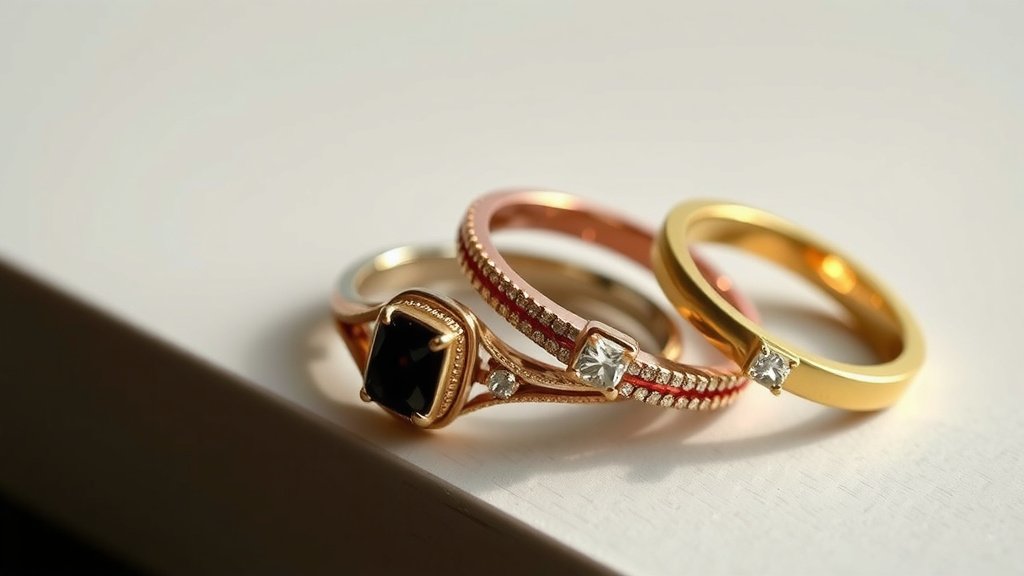
Stacking Different Metal Rings: What You Need to Know
Yes, you can absolutely stack different metal rings, and it’s a fantastic way to personalize your style. Mixing metals like gold, silver, and rose gold adds visual interest and depth to your ring stack. Just be mindful of potential scratching between harder and softer metals.
Many people love to combine various metal types for a unique look. It’s a trend that allows for a lot of creativity in how you wear your jewelry. We found that understanding the durability of each metal helps make smart choices for your stack.
- Stacking different metals is doable and stylish.
- Mix gold, silver, and rose gold for varied looks.
- Be aware of metals scratching each other.
- Consider metal hardness for longevity.
- It’s a great way to show your personal flair.
Let’s look at how to best mix and match your metal rings so they look amazing and last a long time.
Mixing Metals: Your Guide to a Stylish Ring Stack
Absolutely! Stacking rings made from different metals is not just possible; it’s a brilliant way to express your personal style. You can definitely combine metals like gold, silver, and rose gold. This creates a look that’s both unique and eye-catching. It adds wonderful visual interest and depth to your hands.
Understanding Metal Hardness and Your Stack
When you stack different metals, one key thing to keep in mind is their relative hardness. This might sound technical, but it’s pretty simple. Some metals are naturally softer than others. If you put a very hard ring next to a very soft one, the softer metal can get scratched over time.
A Simple Look at Metal Durability
Think of it like scratching paint on a car. If you rub something really hard against it, you’ll see marks. The same can happen with your rings. We found that knowing which metals are tougher helps you protect your jewelry. This ensures your beautiful stack stays looking great for longer.
Common Metals and Their Characteristics
Let’s break down some popular ring metals and how they generally stack up against each other. This will give you a better idea of what works well together.
Gold: The Popular Choice
Gold is a favorite for a reason. It’s beautiful and comes in different shades like yellow, white, and rose. Pure gold (24k) is very soft. That’s why most jewelry uses gold mixed with other metals, like 14k or 18k gold. This alloying process makes it more durable for everyday wear.
Silver: The Classic Cool Tone
Sterling silver is a very common choice for rings. It’s usually 92.5% pure silver mixed with copper. This makes it sturdy enough for rings. Silver is generally a bit softer than gold alloys. So, you might want to be careful about rubbing it against very hard metals.
Rose Gold: The Warm Embrace
Rose gold gets its lovely pink hue from being alloyed with copper. Like yellow and white gold, its hardness depends on the other metals mixed in. It often has a similar durability to other gold types.
Platinum: The Sturdy Standout
Platinum is one of the densest and most durable precious metals. It’s significantly harder than gold and silver. While it’s great for longevity, its extreme hardness means it can potentially scratch softer metals if they are constantly rubbing together.
How to Stack Different Metals Without Damage
So, can you stack gold with silver? Or rose gold with platinum? Yes, you can! The key is mindful placement and understanding a few simple rules. We found that conscious stacking makes a big difference.
Hardness Matters: The General Rule
As a general guideline, try to place harder metals next to other harder metals. Softer metals should ideally be placed next to other softer metals. This minimizes friction and wear. Think of it like sorting your tools – you wouldn’t store sharp blades against delicate glass.
Mixing Gold and Silver: A Common Combo
Mixing yellow gold and sterling silver is a very popular look. While gold alloys and sterling silver have different hardness levels, they can usually coexist. Many people wear them together without major issues. We found that occasional wear and gentle contact are usually fine. Just be aware that over time, some minor marks might appear on the softer metal.
Introducing Rose Gold to the Mix
Rose gold fits in beautifully with both yellow gold and silver stacks. Since its hardness is similar to other gold alloys, it pairs well with them. When placed next to silver, the same principles apply as with yellow gold. It’s a flexible metal for stacking.
What About Platinum?
Platinum is tough! If you have a platinum ring, you might want to be more careful about where you place it. Putting it directly next to a very soft silver ring might lead to more noticeable scratches on the silver. Consider placing platinum alongside other robust metals like white gold or even other platinum pieces.
Creating Your Perfect Mixed-Metal Stack
Now for the fun part – designing your stack! Mixing metals offers so much creative freedom. You can play with textures, widths, and colors to get a look that’s all you. We found that starting with a few key pieces makes it easy.
Start with a Theme or Color Palette
Do you love the warm tones of gold and rose gold? Or maybe you prefer the cool, crisp look of silver and white gold? Focusing on a color story can help guide your choices. You can create a harmonious blend this way.
Vary Ring Thickness and Style
A stack with rings of all the same thickness can look a bit monotonous. Try mixing thin bands with slightly wider ones. Add a ring with a unique texture or a small stone. This variation keeps your stack visually engaging.
Consider Placement and Finger Choice
You don’t have to put all your rings on one finger. Spreading them across multiple fingers on one hand can create a balanced look. You might also choose to dedicate certain fingers to specific metal types if you’re particularly concerned about scratching.
A Quick Reference: Metal Hardness Comparison
To help you visualize, here’s a general idea of metal hardness. Keep in mind that alloys can change these properties. This is just a helpful guide.
| Metal Type | General Hardness (Relative) | Notes |
|---|---|---|
| Platinum | Very Hard | Most durable, can scratch softer metals. |
| Gold (14k, 18k) | Hard | Durable, good for everyday wear. Yellow, white, and rose have similar hardness. |
| Sterling Silver | Medium-Soft | Can be prone to scratching from harder metals. |
| Pure Gold (24k) | Very Soft | Rarely used for full rings due to softness; easily damaged. |
Tips for Maintaining Your Mixed-Metal Stack
To keep your rings looking their best, a little care goes a long way. We found that these simple habits help.
- Clean Regularly: Use a soft jewelry cloth to gently wipe your rings. This removes oils and dirt.
- Store Properly: When you’re not wearing them, store rings separately in a jewelry box with compartments. This prevents them from banging together.
- Be Mindful During Activities: Take off rings before doing heavy-duty chores, exercising, or using harsh chemicals. This protects them from scratches and damage.
- Gentle Wear: If you notice any rings rubbing excessively, try rearranging your stack. A small adjustment can make a difference.
Your Stack, Your Rules
Ultimately, stacking different metal rings is a fantastic way to showcase your style. While there are a few things to consider, like metal hardness, they shouldn’t stop you from experimenting. Have fun with it! Your rings should make you feel happy and confident.
Checklist for Your Mixed-Metal Ring Journey
- Assess the hardness of your rings.
- Pair harder metals with harder metals.
- Place softer metals with softer metals.
- Mix colors for visual appeal.
- Vary ring thickness and designs.
- Store your rings carefully to avoid scratches.

Conclusion
You’ve learned that stacking rings made from different metals is totally achievable and a wonderful way to express yourself. The key is understanding how metal hardness affects wear, so you can mix gold, silver, platinum, and rose gold thoughtfully. By pairing harder metals with harder ones and softer with softer, you minimize scratching and keep your rings looking beautiful. Don’t be afraid to experiment with colors and thicknesses. Ready to create your personalized mixed-metal stack? Start by laying out your current rings and planning your next stylish combination!
Frequently Asked Questions
Will stacking different metals ruin my rings?
Generally, no, stacking different metals won’t “ruin” your rings if you’re mindful. You might see minor scratches on softer metals over time due to friction. We found that placing harder metals next to softer ones can accelerate this. Being aware of metal hardness and storing rings properly can greatly reduce wear and tear.
Is it okay to wear gold and silver rings together?
Yes, it’s very common and stylish to wear gold and silver rings together. While they have different hardness levels, they can typically coexist without major issues for most people. You might notice slight marks on the softer metal with prolonged, heavy wear. We suggest gentle contact is usually fine for everyday wear.
Which metals should I avoid stacking together?
You should be most cautious when stacking very hard metals like platinum next to very soft metals like pure gold (24k) or softer silver alloys if they’re prone to scratching. Our research found that pairing the hardest with the hardest and softest with softest is the best approach. This minimizes friction and potential damage.
How can I protect my softer metal rings when stacking?
To protect softer metal rings, try placing them next to other softer metals or rings with smoother finishes. You can also alternate metal types across different fingers or wear them on less active hands. Regular cleaning and proper storage when not in use also greatly help in maintaining their condition.
Does the finish of the ring matter when stacking different metals?
Yes, the finish can matter! A highly polished, smooth ring will glide more easily against another. Conversely, a ring with a brushed or hammered finish might have texture that could potentially cause more friction. Consider smooth finishes on softer metals when stacking them with others to reduce potential scratching.