How Much Does a Colored Gemstone Ring Cost in 2026?
A colored gemstone ring typically costs between $100 and $10,000, though rare stones can run into the tens of thousands. The price depends mostly on the type of gemstone, its size, its color, and whether it sits in a simple band or a custom setting. So whether you’re eyeing a $200 amethyst or a $15,000 sapphire, there’s a colored gemstone ring for almost every budget.
Here’s the tricky part: not all colored stones are priced the same way. A sapphire or ruby can cost far more than a similar-sized garnet or citrine. We researched current market prices and found that lab-grown versions can slash costs by 40 to 60 percent while still looking gorgeous. Many experts say the cut and color saturation matter more than carat weight, which is good news if you want maximum sparkle for your money.
- Most colored gemstone rings fall between $100 and $10,000.
- Sapphires, rubies, and emeralds usually cost the most.
- Amethyst, citrine, and garnet are budget-friendly picks, often under $500.
- Lab-grown stones look nearly identical and cost much less.
- The 4Cs (color, cut, clarity, and carat) drive the final price.
Confused about which stone fits your budget? Don’t worry, we’ve got you. Below, we break down exactly what each type of gemstone costs and where your money actually goes.
The Real Cost of a Colored Gemstone Ring, Stone by Stone
Prices vary wildly by gemstone, so let’s get concrete. We found that a 1-carat ring can cost $150 in garnet or $15,000 in top-grade ruby. Same size, wildly different price tags. It’s like comparing a Honda to a Bentley — both have four wheels, but that’s where the similarities end. Wondering how that compares on the diamond side? Our breakdown of 1-carat diamond ring pricing walks through the same math.
Here’s a quick breakdown of what you can expect to spend on a finished ring (stone plus a basic setting), based on current market pricing we researched:
| Gemstone | Budget Pick | Mid-Range | High-End |
|---|---|---|---|
| Amethyst | $100–$300 | $300–$600 | $600–$1,000 |
| Citrine | $100–$300 | $300–$500 | $500–$900 |
| Garnet | $150–$400 | $400–$800 | $800–$1,500 |
| Aquamarine | $300–$700 | $700–$2,000 | $2,000–$5,000 |
| Sapphire | $500–$1,500 | $1,500–$5,000 | $5,000–$20,000+ |
| Emerald | $600–$2,000 | $2,000–$6,000 | $6,000–$25,000+ |
| Ruby | $800–$2,500 | $2,500–$7,000 | $7,000–$30,000+ |
A quick note on those big numbers: they apply to natural, untreated stones with rich color. The moment you compromise on size, clarity, or color depth, prices drop fast.
What Actually Drives the Price
You’ve probably heard of the 4Cs — color, cut, clarity, and carat. They matter for diamonds, sure, but for colored stones, the weight sits almost entirely on color. Many experts say color accounts for as much as 50 percent of a colored gemstone’s value (Gemological Institute of America).
Color Is King
Gemologists look at three things: hue (the actual color), tone (how light or dark), and saturation (how vivid). The sweet spot is usually a medium-dark tone with strong saturation. Think of a glass of grape juice versus weak, watered-down punch. Same fruit, different wow factor.
This is where you can save serious money. A sapphire with a slightly lighter blue can cost a fraction of a “royal blue” stone and still look stunning on your hand. Most people can’t tell the difference at a dinner table. Your wallet will notice, though.
Cut and Carat
A good cut makes light bounce around inside the stone, creating that lively glow you’re after. A sloppy cut makes even an expensive stone look dull. Carat weight matters too, but here’s a fun quirk: colored gems are measured by dimensions, not just weight, because different minerals have different densities.
One more thing worth knowing — price jumps non-linearly with size. A 2-carat ruby isn’t twice the price of a 1-carat ruby. It can be four to six times more, because large, clean stones are rare (GIA).
Natural vs. Lab-Grown vs. Treated Stones
This choice is the single biggest lever on your final price. Same chemistry, same sparkle, very different receipt.
How Lab-Grown Stones Save You Money
Lab-grown sapphires, rubies, and emeralds are chemically identical to mined ones. They’re grown in a lab rather than pulled from the earth. We found that they typically run 40 to 60 percent less than their natural counterparts, sometimes even more for emeralds.
Curious if anyone can tell the difference? Usually not without special equipment. Many jewelers note that lab-grown stones often have fewer inclusions, which means cleaner-looking gems for less cash.
Treatments You Should Ask About
Most natural colored gems on the market have been treated in some way. Heat treatment is common and accepted for sapphires and rubies. Emeralds are almost always oiled to improve clarity (FTC Jewelry Guides). These treatments aren’t scams — they’re standard practice.
Just make sure the seller discloses everything in writing. Untreated stones command premium prices, so ask directly: “Has this stone been treated?” A reputable jeweler will answer without hesitation. If they stall, walk away.
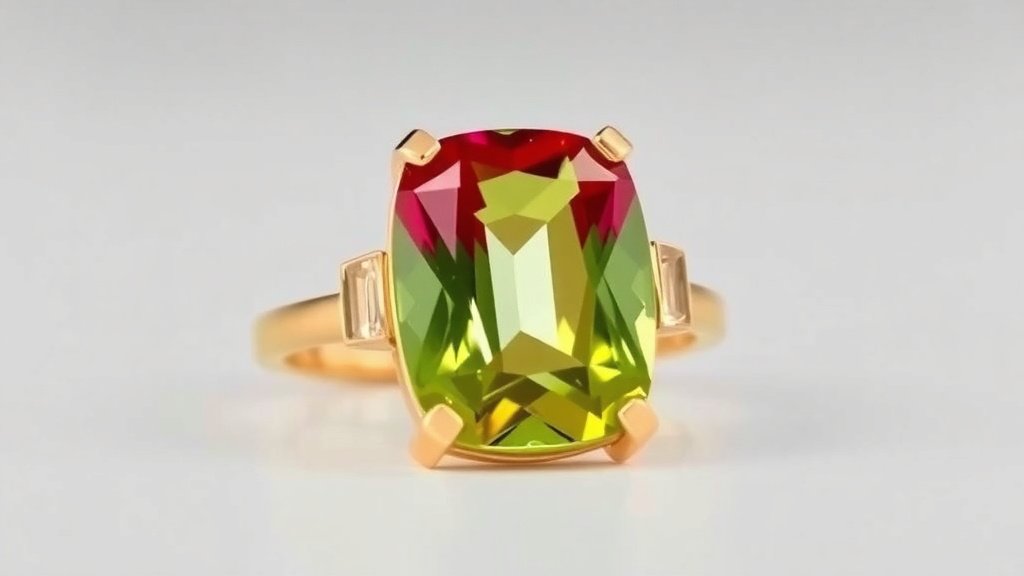
Setting and Metal: The Hidden Half of the Price
People obsess over the stone and forget the ring around it. Don’t. The setting can add anywhere from $100 to several thousand dollars to your total.
Choosing Your Metal
Sterling silver keeps costs low, often under $100 for the band itself. It’s pretty, but it tarnishes and can scratch. For everyday wear, many experts recommend 14k gold or platinum, which run $300 to $1,500 depending on weight and design.
Gold prices shift with the market, so two identical settings can be priced differently from one month to the next. We noticed this especially with heavier, chunkier bands.
Designer Markups and Custom Work
A name-brand designer setting can double or triple the cost of the same design from an independent jeweler. Custom work adds fees too, typically $200 to $1,000 on top of materials.
Is Custom Worth It?
Sometimes, yes. If you’re proposing with a ring that has to be exactly right, custom lets you control every detail. If you just want something beautiful on a budget, pre-made settings look great and ship faster. Many online retailers offer semi-custom options: pick the stone, pick the band, done.
How to Get the Best Ring for Your Budget
Ready to shop? Here’s the checklist we’d hand a friend before they hit “add to cart”:
- Set your total budget first — stone plus setting, not just the stone.
- Consider lab-grown for expensive stones like sapphire, ruby, or emerald.
- Prioritize color over carat weight. Vivid beats big every time.
- Ask for treatment disclosure in writing before you pay.
- Get a certificate from GIA or another respected lab for stones over $1,000.
- Check the return policy. Photos lie; your eyes don’t.
Follow those six steps and you’ll land a ring that looks like it cost twice what you paid. Not bad for an afternoon of smart shopping, right?
Conclusion
A colored gemstone ring doesn’t have to drain your savings. We found you can walk away with a gorgeous amethyst or garnet ring for under $500, while sapphires, rubies, and emeralds sit in a higher tier. Your biggest money-saving moves are choosing lab-grown stones, prioritizing vivid color over carat size, and picking a sensible setting in 14k gold instead of a designer piece. Ask about treatments, get certification for pricier stones, and check the return policy before you buy. Now that you know what each stone actually costs, set your budget and start comparing rings from a few reputable jewelers. Your perfect ring is out there, and now you’ll pay the right price for it.
Frequently Asked Questions
Is a colored gemstone ring okay for an engagement ring?
Absolutely. Sapphires, emeralds, and rubies have been engagement ring favorites for generations, and they’re often more affordable than diamonds. Just pick a durable stone like sapphire or ruby for daily wear, since softer gems like amethyst can scratch over time.
Why are some small gemstones more expensive than bigger ones?
Rarity beats size every time. A small ruby with deep, vivid color can cost more than a much larger garnet because top-quality rubies are far harder to find. Color saturation and rarity drive price more than dimensions do.
Are gemstone appraisals free, and do I need one?
Some jewelers offer a free appraisal at purchase, but independent appraisals typically cost $50 to $150. We’d say it’s worth it for any ring over $1,000, especially for insurance purposes. Ask for a written appraisal, not just a receipt.
Do colored gemstones hold their value or go up in price?
Most colored gemstones should be treated as a purchase for enjoyment, not an investment. Very rare, untreated stones from top dealers may hold or gain value, but ordinary retail stones usually resell for less than you paid. Buy the ring because you love it.
Where’s the best place to buy a colored gemstone ring for less?
Online retailers often beat local store prices because they carry lower overhead, and many offer generous return windows. Reputable marketplaces with certified stones and clear photos are a smart starting point. Just read reviews, verify certificates, and confirm the return policy before you commit.