How to Choose the Perfect Gemstone for Your Ring
Choosing a gemstone for your ring is a fun process that depends on your priorities. You’ll want to consider its durability for everyday wear, its beauty and color, and your personal budget. Many experts suggest starting with the most important factor for you.
Beyond these basics, think about the gemstone’s meaning or symbolism if that matters. Also, research how well each stone stands up to daily life. Some gems are tougher than others and resist scratches better. We found that understanding these few key areas makes all the difference.
- Durability is key for rings you wear often.
- Consider the gem’s color and your personal style.
- Set a budget; gemstone prices vary widely.
- Look into the gemstone’s meaning if it’s important to you.
Let’s walk through how to pick the perfect gemstone for your ring, step by step.
You’ve picked out the ring setting, and now it’s time for the fun part: the gemstone! This is where your ring truly comes to life. But with so many dazzling options, how do you make the right choice? Let’s break down what you need to consider.
Selecting the Perfect Centerpiece for Your Ring
Choosing your gemstone is a journey. You’ll want a stone that not only looks stunning but also fits your lifestyle and budget. Think of it like picking a partner for your ring – it needs to be a good fit for the long haul!
Understanding Gemstone Durability: The Mohs Hardness Scale
When you wear a ring every day, durability is super important. You don’t want your beautiful stone to get scratched or dull quickly. This is where the Mohs Hardness Scale comes into play. It’s a scale from 1 to 10 that measures a mineral’s resistance to scratching.
The Top Tier: Excellent Durability
Gems with a Mohs hardness of 7 or higher are generally considered excellent for everyday wear. These stones can handle bumps and scrapes without much damage. Think of them as the rugged adventurers of the gemstone world.
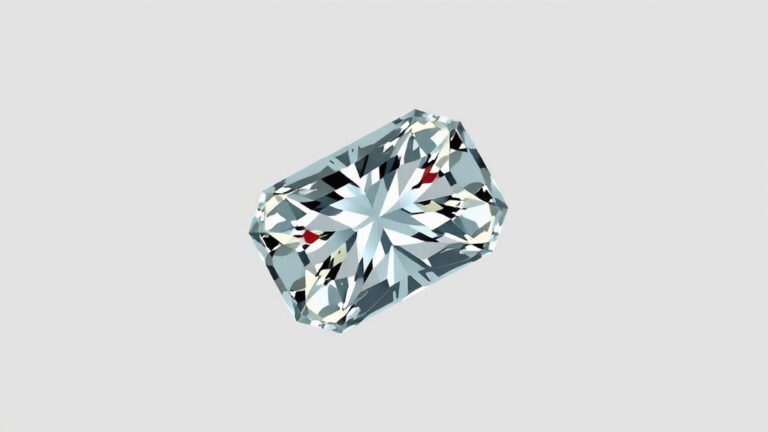
- Diamond: A perfect 10 on the Mohs scale, diamonds are incredibly hard. They’re known for their brilliance and toughness, making them a classic choice for a reason.
- Moissanite: This lab-created gem scores a 9.25. It’s almost as hard as diamond and offers fantastic sparkle. Many find it a beautiful and durable alternative.
- Sapphire: Coming in at a 9, sapphires are incredibly strong. While we often think of blue, they come in a rainbow of colors like pink, yellow, and green.
- Ruby: Also a 9 on the Mohs scale, rubies are the red variety of corundum (the same mineral as sapphire). They are just as durable and stunning.
The Mid-Range: Good Durability with Care
Gems between 5 and 7 on the Mohs scale are still lovely options. However, they require a bit more caution during daily activities. You might want to take them off for chores or sports. They’re like delicate flowers that need a little extra protection.
- Emerald: This beautiful green gem scores a 7.5-8. It’s known for its vibrant color but can have natural inclusions that make it more prone to chipping.
- Aquamarine: With a hardness of 7.5-8, aquamarine is fairly durable. Its cool blue hues are very appealing for many.
- Garnet: Garnets typically range from 6.5 to 7.5. They come in many colors, with deep red being the most popular.
Softer Stones: For Special Occasions or Minimal Wear
Stones below 5 on the Mohs scale are quite soft. They can easily scratch or chip. We found these are best suited for rings worn only on occasion or by individuals who are very careful with their jewelry. They’re like fine china – gorgeous, but best handled with care.
- Pearl: Pearls are organic gems, scoring a 2.5-4.5. They are very soft and susceptible to acids and damage from cosmetics.
- Opal: Opals typically rate 5.5-6.5. They are beautiful but can be delicate and prone to chipping.
- Turquoise: This blue-green stone scores around 5-6. It’s beautiful but can be abraded or chipped easily.
Exploring Color and Style: Finding Your Perfect Hue
Color is often the first thing you notice about a gemstone. What colors do you naturally gravitate towards? Do you love vibrant, bold shades, or do you prefer softer, more muted tones? Your choice can reflect your personality and style. Consider the diamond color and your personal style.
Classic Choices and Their Meanings
Certain colors have timeless appeal. Blue sapphires, for example, are often associated with wisdom and royalty. Rubies symbolize passion and courage. Diamonds, of course, represent eternal love.
Modern Trends and Unique Shades
Don’t be afraid to think outside the box! Teal or champagne diamonds are becoming very popular. Emeralds offer a rich, sophisticated green. Amethyst provides a beautiful purple hue. We found that unique colors can make your ring truly stand out.
Budgeting for Your Gemstone: What to Expect
Gemstone prices can vary wildly. Factors like the 4 Cs (for diamonds: cut, color, clarity, carat weight), rarity, and origin all play a role. Setting a realistic budget upfront will help narrow your choices.
The Diamond Factor
Diamonds are typically the most expensive option due to their hardness, rarity, and high demand. Smaller diamonds or those with lower clarity or color grades can be more affordable. Lab-grown diamonds offer a budget-friendly alternative with the same chemical and physical properties as natural diamonds.
Beyond Diamonds: Affordable Elegance
Many stunning gemstones are much more budget-friendly than diamonds. Sapphires and rubies, while precious, can often be found at lower price points, especially in smaller sizes or certain colors. Semi-precious stones like amethyst, citrine, garnet, and topaz offer incredible beauty at accessible prices. We found that you can get a substantial, gorgeous stone without breaking the bank.
Considering Gemstone Meaning and Symbolism
For many, the meaning behind a gemstone adds a layer of personal significance to their ring. Birthstones are a popular way to choose a stone based on your birth month. Each month’s stone is said to have its own unique properties and symbolism.
Birthstones and Their Associations
For instance, January’s garnet is often linked to protection and friendship. February’s amethyst is associated with clarity and calmness. We found that exploring birthstone meanings can add a special touch to your ring.
General Gemstone Symbolism
Beyond birthstones, many gems carry broader symbolic meanings. Lapis lazuli is often linked to truth and enlightenment. Peridot is thought to bring good fortune and success. If a particular meaning speaks to you, it can be a wonderful way to select your stone.
Making Your Final Decision: A Quick Checklist
Ready to narrow it down? Here’s a quick checklist to guide your final decision:
- Prioritize Durability: How often will you wear this ring?
- Define Your Style: What colors and cuts do you love?
- Set Your Budget: How much are you comfortable spending?
- Explore Meanings: Does symbolism matter to you?
- Research Options: Look into specific gems that fit your criteria.
- Trust Your Gut: Choose the stone that truly makes you happy!
Conclusion
You’re now equipped to choose a gemstone that perfectly suits your ring and your life. Remember, the best stone balances durability, beauty, and your budget. We’ve seen how the Mohs scale helps you pick a gem that can withstand daily wear. Don’t forget to consider the color that speaks to you and any symbolic meaning that adds personal significance. Your ring is a personal expression, so trust your instincts. Visit a jeweler with your checklist in hand, and you’re sure to find that stunning centerpiece that will be cherished for years to come.
Frequently Asked Questions
Can I wear a softer gemstone like opal every day?
While opals are beautiful, they score lower on the Mohs hardness scale, meaning they’re more prone to scratches and chips. If you choose an opal, we recommend wearing your ring with extra care, perhaps taking it off for chores or strenuous activities, to keep it looking its best.
Are lab-grown diamonds a good alternative to natural diamonds?
Yes, lab-grown diamonds are an excellent option if you’re looking for the same beauty and durability as natural diamonds at a potentially lower price point. They have the same chemical and physical properties, making them a brilliant choice for budget-conscious shoppers.
How does the carat weight affect a gemstone’s price?
Generally, as carat weight increases, so does the price, especially for rarer gemstones like diamonds. However, the cut, color, and clarity of the stone also play a major role in its overall value. Sometimes, a slightly smaller stone with excellent quality can be more stunning and less expensive.
What’s the best way to clean gemstones for everyday wear?
For most durable gemstones like diamonds, sapphires, and moissanite, a gentle cleaning with warm water, mild soap, and a soft brush is usually sufficient. Always research the specific cleaning needs of your chosen gemstone, as softer or more porous stones may require different care.
If I have a tight budget, what are some beautiful gemstone options?
You have fantastic options even on a tighter budget! Consider beautiful semi-precious stones like amethyst, citrine, garnet, or topaz, which offer vibrant colors and unique character. You might also find smaller sapphires or rubies to be more affordable than diamonds.