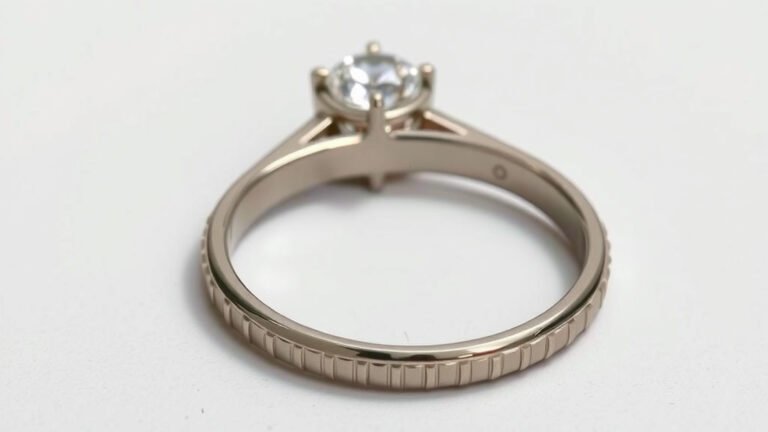
The Ancient Origins of Wedding Rings
The tradition of wedding rings likely originated in ancient Egypt, where circles symbolized eternity and were exchanged as tokens of love. Romans later adopted this custom, viewing the ring as a symbol of ownership and a promise. Early rings were often made of iron or leather, but eventually, precious metals became the standard.
This ancient practice has evolved over centuries, with different cultures adding their own unique interpretations. The enduring symbol of a circle, representing unending love and commitment, has remained constant. We see its influence in many modern wedding traditions today.
- Wedding rings likely started in ancient Egypt.
- Circles symbolized eternity and eternal love.
- Romans used rings as a symbol of ownership.
- Early rings were simple materials like iron.
- Precious metals became the standard later on.
Ready to dive deeper into the fascinating history of these symbols of commitment? Let’s walk through exactly where wedding rings come from.
The Ancient Roots of Wedding Rings
So, where did this beautiful tradition of exchanging rings actually begin? We’ve done some digging, and the story stretches back thousands of years.
Egyptian Beginnings: Circles of Eternity
Many historians point to ancient Egypt as the starting point for wedding rings. They didn’t have the shiny gold bands we see today. Instead, they used materials like braided reeds, hemp, or leather. These were shaped into circles. The circle was a powerful symbol for them. It represented Our guide to engagement rings explains their history and symbolism.eternity and never-ending love. They believed the circle had no beginning and no end. Giving a ring was like giving a piece of forever. It was a tangible promise of eternal devotion.
Roman Adoption and Shifting Meanings
The Romans picked up on this idea. They also embraced the circular symbol. However, their interpretation had a slightly different flavor. For the Romans, the ring was often seen as a symbol of ownership. A husband might give his wife a ring to signify she was his property. This might sound a bit harsh to our modern ears! But it was also a sign of commitment and a public declaration of their union. Early Roman rings were often made of iron. This was a strong, durable metal. It showed the strength and permanence of the marriage.
From Iron to Precious Metals
Over time, the materials used for rings began to change. As societies became wealthier, and craftsmanship improved, iron gave way to more precious metals. Gold and silver started to appear. These weren’t just for decoration. They represented the wealth and status of the couple. It showed they could afford a lasting symbol of their commitment. This shift marked a significant evolution in the wedding ring tradition.
The Evolution of the Ring’s Placement
Ever wonder why we wear the ring on a specific finger? The ancient Egyptians believed the vein in the fourth finger of the left hand ran directly to the heart. They called it the “vena amoris,” or the “vein of love.” This romantic notion stuck around for a long time. It guided the placement of the ring. While the Egyptians may have started it, the Romans also adopted this custom. It solidified the fourth finger as the traditional spot for the wedding ring. Many cultures around the world still follow this practice today.
Rings Through the Centuries: A Cultural Journey
The wedding ring’s journey didn’t stop with the Romans. It continued to travel and transform across different cultures and eras.
The Middle Ages and Religious Influence
During the Middle Ages, the Christian church began to play a bigger role. The wedding ceremony became more formalized. The ring was seen as a religious symbol. It represented the divine blessing on the marriage. The Church even issued guidelines on when the ring could be exchanged. It was during this period that the exchange of rings became a more standard part of the wedding ceremony in many Christian traditions. This helped to solidify its importance.
Victorian Era: Sentiment and Symbolism
The Victorian era brought a surge of sentimentality and romanticism. Wedding rings became more ornate and elaborate. They were often decorated with intricate designs and precious gemstones. The focus shifted back to the emotional bond between couples. Rings were seen as expressions of deep love and affection. They were not just symbols of ownership anymore. They were heartfelt gifts, imbued with personal meaning and romantic ideals. This era really boosted the sentimental value of wedding rings.
The Rise of the Wedding Band
As we moved into the 20th century, a simpler style of ring gained popularity: the plain wedding band. This was often made of gold. It was seen as a classic and timeless choice. The diamond engagement ring also started to become a major trend. This led to the tradition of wearing both an engagement ring and a wedding band. They were often designed to fit together perfectly. This pairing became a symbol of the complete union.
Modern Wedding Rings: A Blend of Tradition and Personal Style
Today, wedding rings are incredibly diverse. They reflect a wide range of tastes and styles. But the core symbolism remains the same.
Materials and Designs Today
You can find wedding rings made from almost any material imaginable. While gold and platinum are still very popular, you also see rings made from tungsten, titanium, wood, and even ceramic. The designs are equally varied. Some couples prefer simple, classic bands. Others opt for rings with elaborate engravings, unique gemstones, or modern, minimalist styles. Many couples today choose rings that reflect their personal interests or shared hobbies.
The Enduring Symbol of Commitment
No matter the material or design, the wedding ring continues to represent love, commitment, and fidelity. It’s a visible reminder of the promises made on a wedding day. It’s a symbol that has traveled through time. It has been embraced and adapted by countless cultures. And it continues to hold deep meaning for couples all over the world. It’s fascinating to think that a simple circle can carry so much history and emotion.
Key Milestones in Wedding Ring History: A Quick Recap
Let’s quickly look at the main points we’ve covered:
- The concept of a ring as a symbol of eternity likely started with the ancient Egyptians.
- The Romans used rings as a sign of ownership and a pledge.
- Early rings were often made from sturdy materials like iron.
- The placement on the fourth finger was linked to the “vena amoris” or “vein of love.”
- Religious traditions in the Middle Ages helped formalize the ring exchange.
- The Victorian era focused on sentimentality and romantic symbolism.
- Modern rings offer vast choices in materials and designs, but the core meaning endures.
Conclusion
You’ve journeyed through thousands of years of wedding ring traditions! From ancient Egyptian circles symbolizing eternity to Roman pledges of ownership, these rings carry a rich history. We’ve seen how precious metals and religious beliefs shaped their meaning, and how the Victorians added sentiment. Today’s rings are incredibly personal, but they all connect back to that ancient circle of commitment. Your wedding ring is more than just jewelry; it’s a piece of history. Now that you know where they came from, you can choose your own perfect symbol of love with confidence.
Frequently Asked Questions
Did only ancient Egyptians give rings as wedding gifts?
While ancient Egyptians are widely credited with originating the idea of rings symbolizing eternity, other ancient cultures also used symbolic gestures. However, the specific concept of an endless circle as a token of perpetual love is most strongly linked to Egyptian practices.
Why did Romans use rings as symbols of ownership?
For the Romans, marriage was often viewed as a legal contract and a transfer of property. A ring served as a tangible symbol of this agreement, publicly signifying that a woman was now under her husband’s legal protection and ownership.
When did wedding rings start being made of gold?
The shift from basic materials like iron and leather to precious metals like gold began to appear as societies grew wealthier and metalworking skills advanced. This transition likely happened gradually over many centuries, becoming more common as gold became more accessible.
Is the “vena amoris” real, and why was it important?
The “vena amoris,” or “vein of love,” was a romantic belief, not an anatomical fact. Ancient Romans believed this vein ran directly from the fourth finger of the left hand to the heart. This symbolic connection made the finger the perfect place to wear a ring signifying love and commitment.
Do modern wedding bands still hold the same meaning as ancient ones?
Yes, while the materials and styles have changed dramatically, the core symbolism of wedding rings remains consistent. They continue to represent enduring love, fidelity, and commitment, connecting modern couples to traditions that stretch back thousands of years.