How to Choose Your Perfect Birthstone Ring
Choosing a birthstone ring is a wonderful way to express yourself or surprise someone special. The key is to focus on your personal style and the stone’s meaning. You’ll want to consider durability and setting type to ensure it lasts.
Your birthstone holds unique symbolism and beauty. Researching different stones will help you find one that truly speaks to you. It’s about finding a piece that feels personal and meaningful, not just a trend.
- Consider your personal style.
- Think about the stone’s symbolism.
- Check for durability and setting type.
- Don’t forget your budget!
Ready to find that perfect ring? Let’s walk through how to pick a birthstone ring that you’ll absolutely adore.
Selecting Your Perfect Birthstone Ring
Picking a birthstone ring is a joyful occasion. It’s a chance to wear something truly personal. We’ve gathered some tips to help you find a ring you’ll love for years to come. It’s not just about the stone’s color. It’s about its meaning, durability, and how it fits your life.
Your birthstone is more than just a pretty gem. It carries symbolism and history. Different cultures have assigned meanings to stones for centuries. Finding a stone that aligns with your values or aspirations can add a special layer of meaning to your ring.
Understand Your Birthstone’s Month
The first step is knowing which month you’re celebrating. Each month has a traditional birthstone, and some have modern alternatives. You might find you connect more with a modern stone than the traditional one. It’s all about personal preference!
January: Garnet
Garnets are typically a deep red color. They symbolize protection and strength. Many people find garnets have a rich, vibrant hue that stands out. We found that garnet is a very durable stone, rating a 6.5 to 7.5 on the Mohs scale.
February: Amethyst
Amethyst is a beautiful purple quartz. It’s often associated with calmness and clarity. Its stunning violet shades range from light lilac to deep purple. Amethyst rates a 7 on the Mohs scale, making it a good choice for everyday wear.
March: Aquamarine & Bloodstone
Aquamarine offers a serene, sea-blue color. It’s said to promote courage and calm. Bloodstone, on the other hand, is a dark green stone with red flecks. It’s linked to vitality and courage. Aquamarine is a 7.5-8 on the Mohs scale. Bloodstone is about a 6.5-7.
April: Diamond
The diamond is a symbol of everlasting love and strength. Its brilliant sparkle is legendary. Diamonds are incredibly hard, scoring a 10 on the Mohs scale. This makes them ideal for rings that see a lot of wear.
May: Emerald
Emeralds are famous for their lush green color. They represent rebirth and love. While beautiful, emeralds can be more delicate. They score around a 7.5-8 on the Mohs scale. Care is needed to keep them looking their best.
June: Pearl & Alexandrite
Pearls offer a unique, organic beauty with their soft luster. They symbolize purity and innocence. Alexandrite is fascinating because it changes color. It’s blue-green in daylight and reddish-purple in incandescent light. Pearls are softer (2.5-4.5 Mohs), while alexandrite is harder (8.5 Mohs).
July: Ruby
Rubies are known for their passionate red hues. They symbolize love, passion, and courage. Rubies are very durable, scoring a 9 on the Mohs scale. This makes them an excellent choice for a birthstone ring.
August: Peridot & Spinel
Peridot is a vibrant green gemstone. It’s often linked to strength and healing. Spinel comes in many colors, including lovely pinks and reds. It’s known for its brilliance. Peridot is a 6.5-7 on the Mohs scale. Spinel is an 8.
September: Sapphire
Sapphires are most famous for their deep blue color. They represent wisdom, loyalty, and nobility. Sapphires are very hard, scoring a 9 on the Mohs scale, similar to rubies. They are a fantastic choice for a ring.
October: Opal & Tourmaline
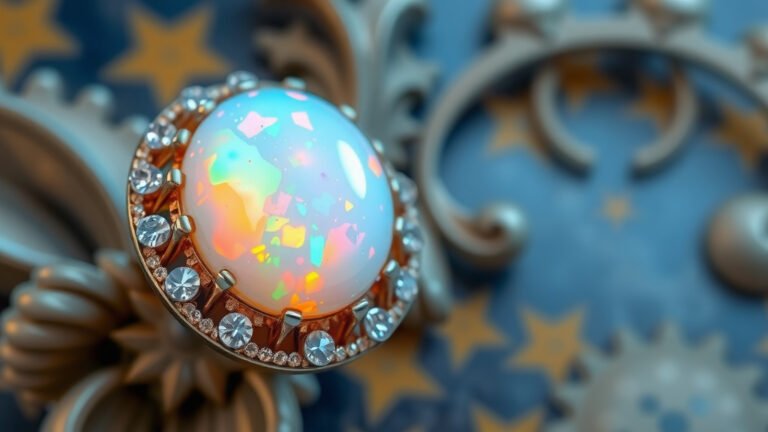
Opals are celebrated for their unique play-of-color. Each opal is one-of-a-kind. They symbolize hope and purity. Tourmaline comes in a rainbow of colors, offering many choices. Opals are more delicate (5.5-6.5 Mohs), while tourmaline is more durable (7-7.5 Mohs).
November: Topaz & Citrine
Topaz comes in various colors, with yellow and blue being popular. It represents love and affection. Citrine is a warm, yellow-orange stone, often linked to joy and abundance. Both are quite durable (8-8.5 Mohs).
December: Turquoise, Zircon & Tanzanite
Turquoise is a sky-blue stone, often with matrix patterns. It symbolizes protection and good fortune. Zircon is a sparkly stone that comes in many colors. Tanzanite is a blue-violet gem. Turquoise is 5-6 Mohs, Zircon is 6.5-7.5, and Tanzanite is 6-7.
Consider the Ring’s Setting and Metal
The setting is how the gemstone is held in place. It affects both the look and durability of your ring. Different settings offer different levels of protection for the stone.
Popular Setting Styles
- Bezel Setting: A metal rim surrounds the stone, offering excellent protection. It gives a sleek, modern look.
- Prong Setting: This is the most common style. Metal prongs hold the stone, allowing maximum light to enter and sparkle. Four or six prongs are typical.
- Channel Setting: Stones are set side-by-side in a groove or channel, with no metal between them. This is great for smaller stones but can be less secure for a center birthstone.
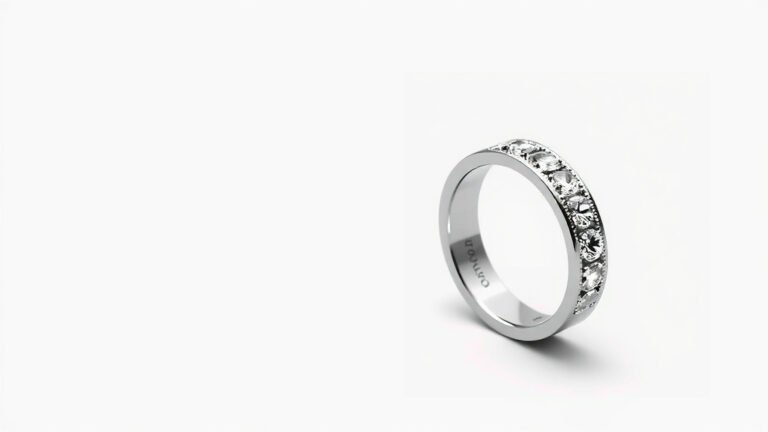
- Pave Setting: Tiny diamonds or stones are set very close together, with small metal beads holding them. This adds sparkle but isn’t ideal for a single, prominent birthstone.
For birthstone rings, a bezel or prong setting is often recommended. They secure the stone well. Consider how much of the stone you want to be visible. More visibility means more sparkle, but potentially less protection.
Choosing Your Metal
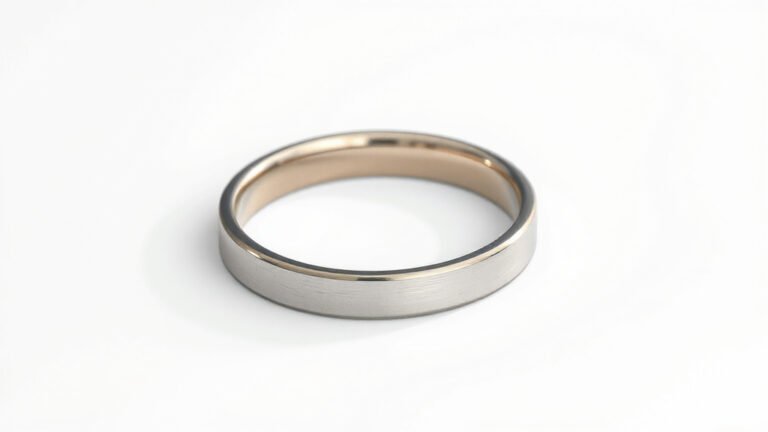
The metal of your ring is also important for look and durability. Popular choices include:
| Metal | Pros | Cons |
|---|---|---|
| Yellow Gold | Classic, warm color. Hypoallergenic for most. | Can scratch; pure gold is soft, so alloys are used. |
| White Gold | Modern, silver-like appearance. Often plated with rhodium for shine. | Requires re-plating over time; rhodium can cause reactions in some. |
| Rose Gold | Trendy, romantic pinkish hue. | Can scratch; color may fade slightly over time. |
| Platinum | Extremely durable, naturally white, hypoallergenic. | More expensive; can be heavier. |
| Sterling Silver | Affordable, classic silver look. | Tarnishes easily; softer metal, prone to scratches and dents. |
We found that 14k gold or platinum offer a great balance of durability and beauty for everyday wear. Sterling silver is a lovely budget-friendly option but requires more care.
Durability Matters: Mohs Hardness Scale
When choosing a gemstone, its hardness is key. The Mohs scale ranks mineral hardness from 1 (talc) to 10 (diamond). A higher number means the stone is more resistant to scratching and wear.
For a ring you’ll wear often, aim for stones with a Mohs hardness of at least 7. Stones like diamonds, sapphires, and rubies are excellent choices. Softer stones, like pearls or opals, are beautiful but need careful handling. They might be better suited for special occasions.
Many experts suggest looking at the Mohs scale when selecting a gemstone for jewelry (GIA). This helps ensure your ring will stand up to daily life.
Consider Your Personal Style and Meaning
Beyond the technical aspects, how does the ring make you feel? Do you prefer bold and colorful, or subtle and classic? Think about the other jewelry you wear.
Does the stone’s traditional meaning appeal to you? Perhaps you feel drawn to the calmness of amethyst or the strength of garnet. This personal connection is what makes a birthstone ring truly special.
Sometimes, a stone’s color might not be your favorite, but its meaning deeply resonates. Or perhaps you love a stone’s appearance and want to wear it, regardless of your birth month. There are no strict rules!
Budget-Friendly Birthstone Options
Birthstone rings can be found at various price points. You don’t need to break the bank to find a beautiful piece.
Consider stones that are less expensive but equally stunning. For example, citrine, amethyst, and peridot are often more affordable than diamonds or sapphires. They offer vibrant colors and good durability.
Opting for sterling silver or 10k gold can also lower the cost. Lab-created gemstones are another excellent option. They offer the same beauty and durability as natural stones but at a lower price. Many reputable jewelers offer these options.
Final Checklist for Your Birthstone Ring Search
Before you make your final decision, run through this quick checklist:
- Confirm your birth month and its associated stones.
- Research the meaning and symbolism of your chosen stone.
- Check the stone’s hardness (Mohs scale) for durability.
- Decide on a setting that protects your stone well.
- Select a metal that suits your style and budget.
- Are you happy with the stone’s color and overall look?
Conclusion
You’ve now got a great foundation for choosing your perfect birthstone ring! Remember, it’s about blending your personal style with the stone’s unique meaning and durability. We’ve seen how different settings and metals play a role in both beauty and longevity. Don’t forget to consider your budget and explore options like lab-created stones. Your birthstone ring should be a piece you adore and wear with pride. Your next step is to visit a jeweler or start browsing online with this knowledge in hand!
Frequently Asked Questions
Can I choose a birthstone that isn’t my birth month?
Absolutely! While birthstone rings are traditionally tied to your birth month, there are no strict rules. Many people choose stones based on their color, symbolism, or personal significance, regardless of their birth month. It’s about finding a stone that truly speaks to you.
How do I know if a birthstone is durable enough for everyday wear?
You can check the gemstone’s hardness on the Mohs scale. For rings worn daily, stones with a Mohs hardness of 7 or higher are generally recommended. This includes stones like diamonds, sapphires, and rubies, which are less likely to scratch or chip.
What’s the difference between a bezel and a prong setting for a birthstone ring?
A bezel setting uses a metal rim to encircle the entire gemstone, offering excellent protection. A prong setting uses small metal claws to hold the stone, allowing more light to enter for sparkle but exposing more of the gem to potential damage.
Are lab-created birthstones a good option?
Yes, lab-created gemstones are an excellent choice for birthstone rings. They have the same physical and chemical properties as natural stones but are often more affordable. They offer a beautiful and durable alternative if you’re working with a tighter budget.
How important is the metal choice for a birthstone ring?
The metal choice is important for both aesthetics and durability. Metals like platinum and gold (especially 14k or 18k) are quite durable for everyday wear. Sterling silver is a beautiful and affordable option, but it requires more care as it can scratch and tarnish more easily.