Pendant Necklace Safety: 7 Risks and How to Avoid Them
Yes, a pendant necklace is safe to wear every day, but only if the chain is strong enough and the pendant weight matches it. Pendant necklace safety comes down to preventing chain breakage, skin irritation, and snagging hazards. We found that most accidents happen when the chain is too thin for a heavy pendant.
You likely wear your favorite necklace without thinking twice. That is exactly when problems occur. We have seen that a broken chain can mean a lost heirloom, and a nickel clasp can cause a painful rash. Choosing the right chain strength and checking your metal sensitivity are the first steps to worry-free wear.
- Weigh your pendant before picking a chain. A good rule is the chain should hold at least three times the pendant’s weight.
- Check the clasp every few weeks. A weak spring in a lobster clasp is the #1 cause of dropped necklaces.
- Take it off before sleeping, showering, or working out. This prevents snagging and chain stress.
- Look for hypoallergenic metals like 14k gold, platinum, or surgical stainless steel if your skin reacts easily.
- Inspect the links monthly for bends or gaps. These are early signs a break is coming.
Below, we break down everything you need to know about keeping your pendant necklace safe and secure. Let’s walk through the best chain types, clasp options, and daily habits that protect your jewelry.
Protecting Your Pendant Necklace Starts With the Right Chain
Your chain is the unsung hero of your necklace. It takes all the weight and all the tugging. We found that most broken necklaces trace back to a chain that simply wasn’t strong enough for the job.
Think of it like this: you would not tow a boat with a bike lock. You need the right tool for the weight. The same logic applies to your pendant and chain pairing.
How to Match Pendant Weight to Chain Strength
Before you buy a chain, weigh your pendant. You can do this at home with a small kitchen scale. A good rule of thumb is to pick a chain that can hold three times the pendant weight. This gives you a safety buffer for daily wear and tear.
We found that delicate chains, like those under 1.5 millimeters, work best for tiny pendants only. If you have a chunky gemstone or a heavy locket, you need a sturdier option. Look for chains in the 2.5 to 3.5 millimeter range for most everyday pendants.
Chain Types That Offer the Best Security
Not all chains are built the same. Some have stronger structures than others. Here is what we found about the most common types:
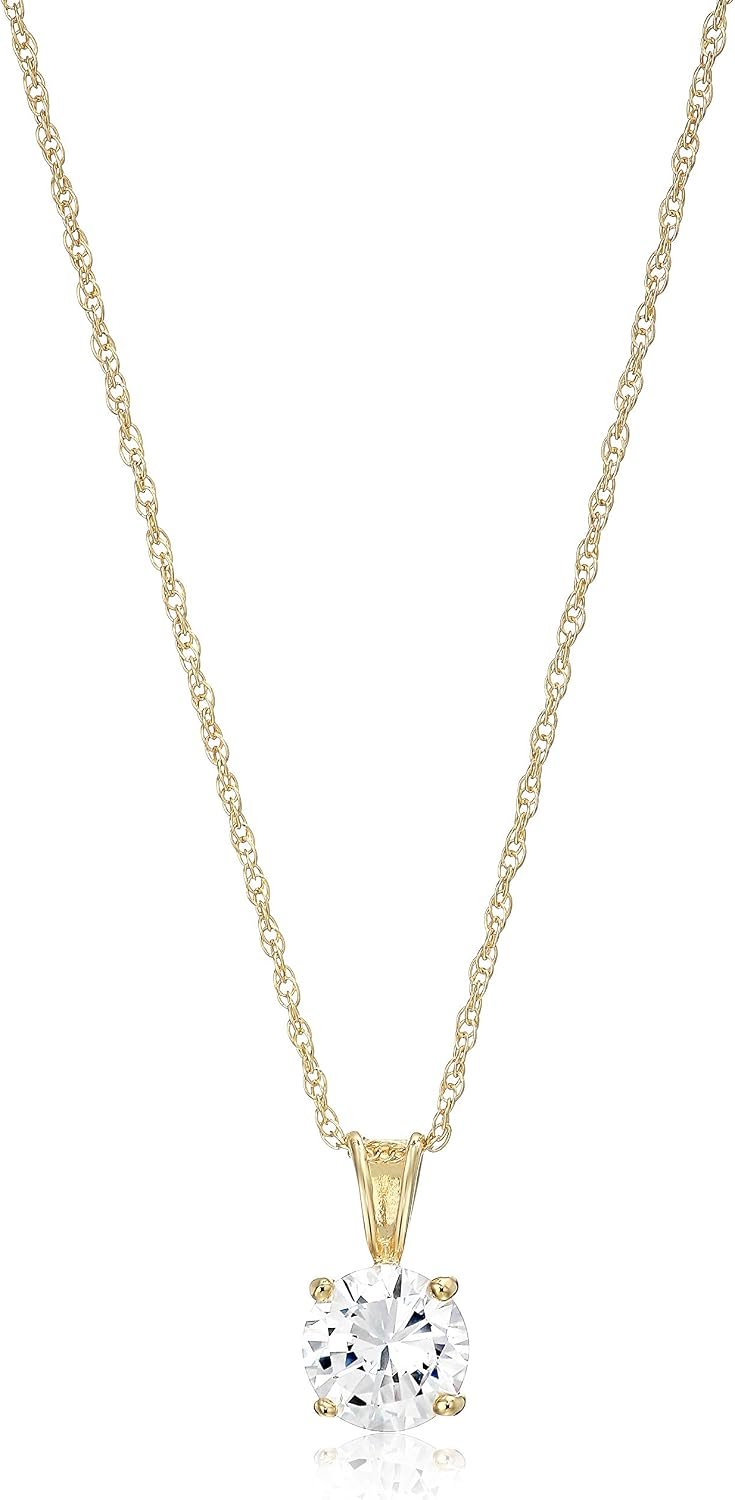
- Rope chains – Very strong because they weave multiple links together. Great for heavier pendants.
- Curb chains – Flat links sit evenly, creating a smooth surface. They hold weight well and resist kinking.
- Box chains – Links form a square pattern. They look clean but can pinch hair and have hollow versions that break easily.
- Snake chains – Sleek and smooth, but they can kink and snap under pressure. Best for light pendants only.
If you are unsure, pick a solid rope or curb chain. They offer the best durability for the price. Avoid hollow chains for daily wear because they dent and break faster than solid ones.
Clasp Choices That Keep Your Necklace Secure
The clasp is the weakest link in your entire setup. We found that a broken spring mechanism causes most dropped necklaces, not a broken chain. You need a clasp that matches your lifestyle.
A tiny spring-ring clasp might look delicate, but it works fine for light necklaces. For heavier pendants, you want something more robust.
Comparing Clasp Types for Everyday Durability
Here is a quick breakdown of the most common clasp styles and how safe they are for daily wear:
| Clasp Style | Best For | Safety Level |
|---|---|---|
| Spring-ring | Light to medium pendants | Good — but check the spring often |
| Lobster clasp | Most everyday necklaces | Excellent — reliable and easy to open |
| Box clasp | Bracelets and heavier pieces | Good — but can wear out over time |
| Magnetic clasp | People with arthritis or hand issues | Fair — magnets can hold debris and may lose strength |
| Toggle clasp | Boho-style pendants | Risky — the bar can slip out of the ring easily |
We recommend a lobster clasp for most pendant necklaces. It is easy to fasten, holds well, and works for a wide range of weights.
Skin Safety and Metal Sensitivities
Your skin can react badly to certain metals. A rash or green mark is not just ugly; it is a sign of irritation. Many people think gold is always safe, but that is not true.
We found that nickel is the biggest culprit for allergic reactions in jewelry. It is often mixed into cheaper gold alloys. If your skin gets red, itchy, or flaky under your necklace, nickel is likely the cause.
Many dermatologists point out that prolonged contact with nickel can cause contact dermatitis, a form of eczema (National Eczema Association). The solution is simple: switch to metals that do not contain nickel.
Choosing Hypoallergenic Metals for Your Pendant
If you have sensitive skin, skip the mystery metals. Look for clear labels about what is in your jewelry. Here are the safest options we found:
- 14k or 18k gold – High gold content means less nickel. Choose yellow or rose gold for the lowest risk.
- Platinum – Naturally hypoallergenic and very durable. Costs more but lasts forever.
- Surgical stainless steel – Great for budget-friendly options. It is safe for most people with metal allergies.
- Titanium – Lightweight, strong, and completely safe for sensitive skin.
Try to avoid gold-plated and gold-filled pieces for daily wear. The plating wears off over time, exposing the base metal underneath. That base metal often contains nickel.
Daily Habits That Prevent Accidents
You might love your necklace so much that you never take it off. That is risky. Everyday life is full of small hazards that can snap a chain or bend a clasp.
Your bed is one of the worst places for a necklace. You toss and turn, catching the chain on your pillowcase. The constant pulling can stretch the links.
When You Should Take Your Necklace Off
You do not need to remove it all the time, but certain moments matter more than others. We found that following this simple routine protects your jewelry the most:
- Take it off before sleeping – Nighttime movement puts stress on the chain and clasp.
- Remove it before showering – Soap and shampoo leave a film that weakens metals over time.
- Skip it during workouts – Sweat and friction can cause premature wear on the links.
- Secure it before swimming – Chlorine and saltwater are terrible for jewelry. They can pit the metal.
- Take it off when changing clothes – Necklaces get caught on collars and zippers constantly.
Make a habit of storing your necklace in a dedicated jewelry box or pouch. Do not toss it in your purse or on a bathroom counter. It can slide into a sink drain or tangle with other pieces.
Routine Inspections That Catch Problems Early
Your necklace will give you warning signs before it breaks. You just need to look. We recommend a quick one-minute check every month.
Hold your necklace up to a bright light. Look at the clasp mechanism and the links near it. Many experts suggest checking the area where the pendant hangs because that point experiences the most constant strain.
Signs That Your Necklace Needs Repair
Here is what to look for during your monthly check:
- Bent links – Any link that is not perfectly flat could be ready to snap.
- Gaps in the clasp – A lobster clasp that does not close flush is dangerous.
- Rough spots – Rub your finger along the chain to feel for burrs or snags.
- Thinning metal – If you see a shiny spot that looks worn down, it is weakening.
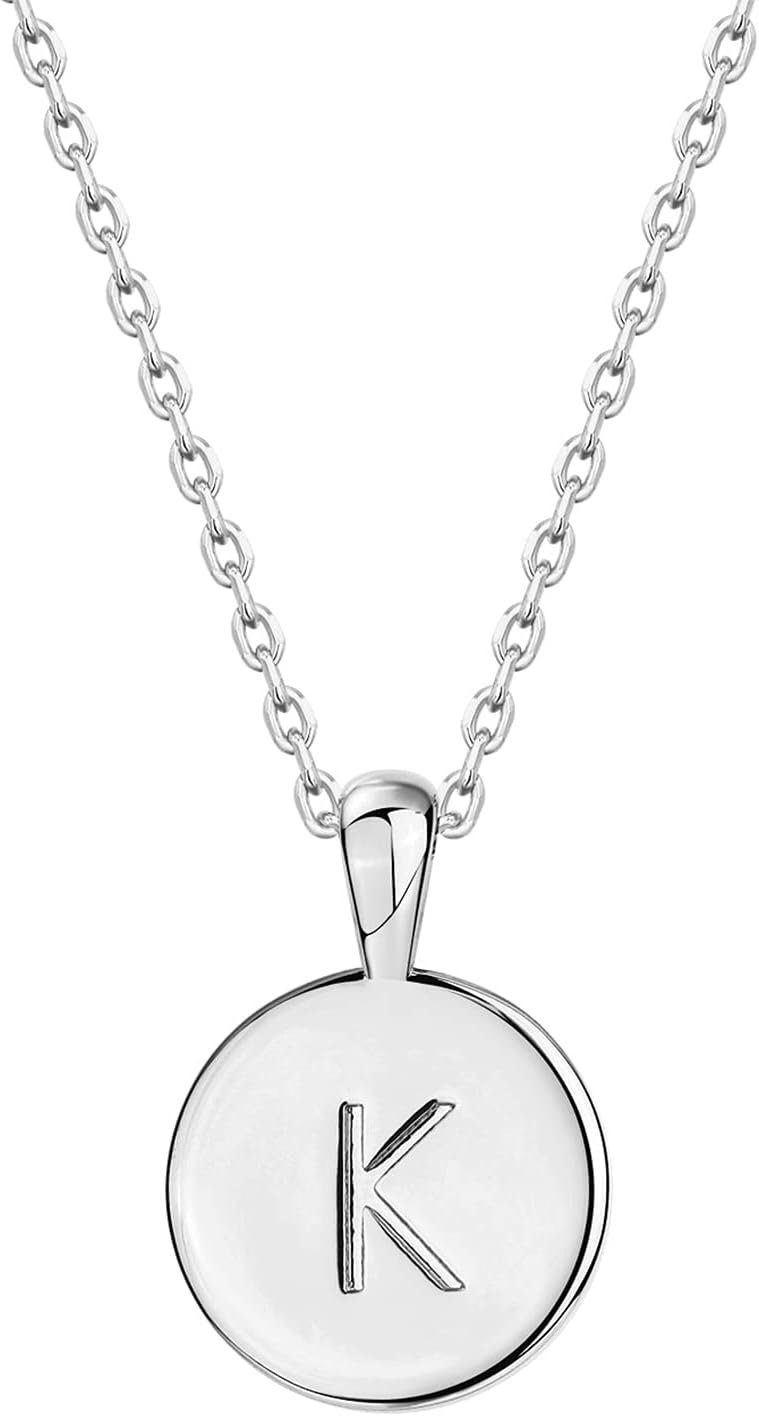
- Misaligned pendant bails – The little loop holding your pendant should sit straight.
If you spot any issue, do not wait. Take it to a local jeweler for a quick soldering or clasp replacement. This is a simple and cheap fix, but it must happen before the break, not after.
Simple Checklist for Pendant Necklace Safety
Here is a weekly safety checklist you can follow to keep your necklace safe and sound:
- Weigh your pendant to confirm your chain can hold three times that weight.
- Check your clasp for a strong spring-open and secure close.
- Inspect your links for bends, cracks, or rough patches.
- Remove it before sleeping, showering, and exercising.
- Clean it gently with a soft cloth after wearing to remove body oils.
- Store it separately in a soft pouch to stop tangling and scratching.
Following this routine takes less than two minutes a week. It is a small amount of time to save a piece that might hold real sentimental value. Chain breaks rarely happen suddenly without warning signs. Your job is to spot those signs before they turn into a lost treasure on a bathroom floor. Regular checks and smart habits make all the difference between a necklace that lasts decades and one that lasts months.
Conclusion
Your pendant necklace should bring you joy, not worry. You now know the simple steps to keep it safe: match your chain strength to your pendant weight, use a reliable lobster clasp, and pick hypoallergenic metals if your skin reacts easily.
We found that most necklace accidents are completely preventable. A few smart daily habits, like taking it off before bed and checking the clasp monthly, will save you from heartbreak. Your necklace holds memories and meaning — protect it like the treasure it is.
Start with one small action today: do a quick one-minute inspection of your favorite necklace. Look at the clasp and links. If anything looks worn, take it to a jeweler this week. That tiny check could save you from losing something irreplaceable.
Frequently Asked Questions
How do I know if my chain is strong enough for my pendant?
Weigh your pendant on a small kitchen scale first. Your chain should be able to hold at least three times that weight. If you have a heavy pendant on a delicate chain, upgrade to a thicker rope or curb chain.
Can I shower with my pendant necklace on?
You should take it off before showering. Soap and shampoo leave a film that weakens metal over time. Hot water can also stress the links and cause them to stretch.
What should I do if my skin turns green under my necklace?
A green mark means the metal is reacting with your skin’s acids. This usually happens with copper or low-quality gold alloys. Switch to 14k gold, platinum, or surgical stainless steel to prevent discoloration.
How often should I replace the clasp on my necklace?
There is no set timeline, but you should test the clasp every few weeks. Press it open and close it several times. If the spring feels weak or the clasp does not close flush, replace it right away — before it fails.
Is it safe to wear a pendant necklace while working out?
We recommend taking it off before any workout. Sweat can irritate your skin and corrode the metal. The repetitive motion can also cause the chain to catch on equipment or stretch the links.