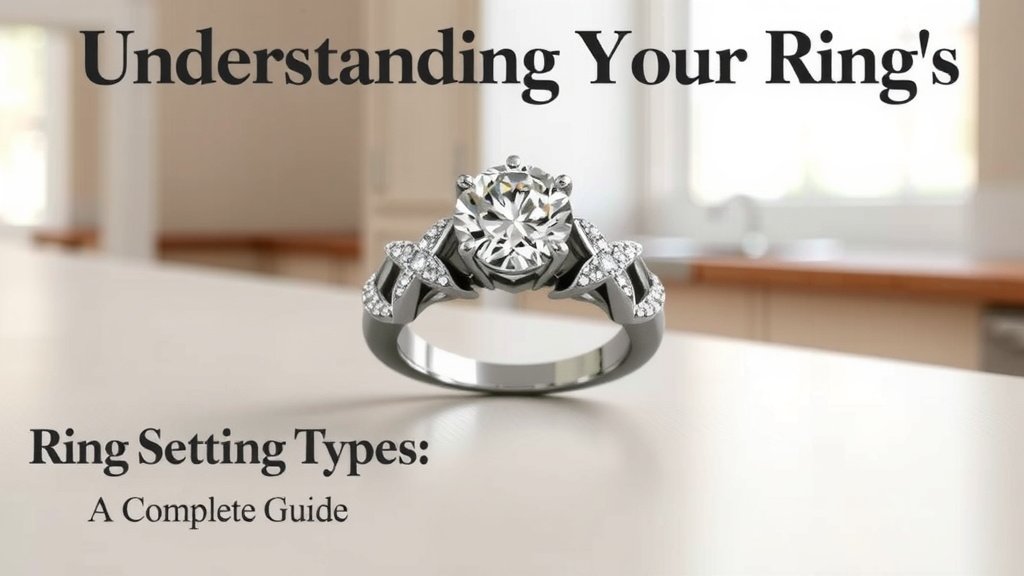
Understanding Ring Setting Types: A Complete Guide
Choosing the right ring setting type is essential for your ring’s beauty and security. The setting holds your gemstone in place and affects the overall style. Understanding different types like prong, bezel, and pavé settings will help you find the perfect match for your lifestyle and taste.
Many factors influence which setting is best for you. Consider the durability of the metal, the protection for your diamond, and the desired aesthetic. From classic solitaire looks to more intricate designs, each setting type offers unique benefits and visual appeal, ensuring your ring stands out.
- Prong settings lift the stone for maximum sparkle.
- Bezel settings offer superior security and a modern look.
- Pavé and halo settings add extra brilliance with smaller stones.
- Channel settings provide a sleek, snag-free design.
- Consider durability and how you’ll wear your ring daily.
Let’s walk through the most popular ring setting types to help you make an informed decision.
Understanding Your Ring’s Setting Styles
The setting is where your ring’s magic truly happens. It’s not just about holding your precious stone in place. The setting significantly impacts your ring’s overall look and feel. It also affects how durable and safe your ring is for everyday wear. Let’s explore the popular options available to you.
Prong Settings: The Classic Choice for Sparkle
When you picture a diamond ring, you’re likely imagining a prong setting. This is the most popular type for engagement rings and other special jewelry.
How Prong Settings Work
Prong settings use small metal claws, or prongs, that extend up from the band. These prongs grip the edges of your gemstone. They hold it securely in place. The number of prongs can vary.
Common Prong Styles
You’ll most often see settings with 4 or 6 prongs. Four-prong settings are great for showing off the stone’s shape. Six-prong settings offer even more security. They can also make a smaller stone look larger.
The Sparkle Factor
A major benefit of prong settings is how they allow light to enter and exit the stone. This maximizes the gemstone’s brilliance and sparkle. The stone sits high above the band, letting light hit it from all angles. This design is why many people love prong settings for their radiant shine.
Considerations for Prong Settings
Because the stone is raised, it can be more exposed to potential bumps and scratches. This means you need to be mindful of your activities. It’s essential to choose a setting that fits your lifestyle. A higher setting might snag on clothing or get hit more easily. We found that some people prefer lower-profile options for this reason.
Bezel Settings: Security Meets Modern Style
If you prioritize security and a sleek design, a bezel setting might be perfect. This style wraps a thin metal rim completely around your gemstone.
The Strength of a Bezel
The metal rim provides excellent protection for your stone. It acts like a shield, preventing chips or damage to the edges. This makes bezel settings a fantastic choice for active individuals. It’s also a good option for softer gemstones that might be more prone to damage.
Aesthetic Appeal
Bezel settings offer a clean, modern look. They can make a gemstone appear larger than it is. The smooth metal edge is also very comfortable against the skin. Many experts suggest this setting for its ability to minimize snagging on clothes or other items.
Variations to Note
Bezel settings can be full or partial. A full bezel completely encircles the stone. A partial bezel might only go halfway around or have cutouts. These variations allow for different looks while still offering enhanced security.
Pavé and Halo Settings: Adding Extra Brilliance
Want to make your center stone truly pop? Pavé and halo settings are designed to do just that. They use smaller accent stones to amplify the sparkle of your main gem.
What is a Pavé Setting?
In a pavé setting, tiny diamonds or gemstones are set very closely together. They cover a band or part of the setting. The metal is barely visible between the stones. This creates a dazzling, continuous surface of sparkle. We found this technique adds incredible shimmer without overwhelming the main stone.
Understanding Halo Settings
A halo setting features a center gemstone surrounded by a circle (or “halo”) of smaller accent stones. This halo of smaller gems makes your center stone look larger and more brilliant. It also provides a protective border. Many find the halo creates a beautifully defined and eye-catching design.
Combined Brilliance
You can even combine these styles! A halo setting can feature pavé detailing on the band. This offers maximum sparkle and visual impact. These settings are a great way to get a lot of shine for your investment.
Channel Settings: Sleek and Secure
For a minimalist and durable option, consider a channel setting. This style places gemstones in a groove, or channel, within the metal band itself.
The Snag-Free Advantage
The beauty of a channel setting is its smooth surface. The stones are set low and protected by the metal walls of the channel. This means there are no prongs to snag on anything. It’s a very practical choice for daily wear. Many guidelines recommend this for individuals who work with their hands.
Durability and Style
This setting offers excellent protection for the gemstones. The metal band shields the sides of the stones. It’s a sturdy and long-lasting option. Channel settings create a clean, elegant look, often seen in wedding bands.
Other Setting Styles to Consider
Beyond the most common types, a few other settings are worth knowing about.
Tension Settings
Tension settings use the metal band’s own springiness to hold a stone in place. The band appears to grip the gemstone from opposite sides. This creates a very modern and dramatic look. It allows for unobstructed views of the stone’s sides. However, it’s crucial to ensure the craftsmanship is top-notch for security.
Flush Settings
In a flush setting, the gemstone is set directly into the metal. It sits level with the surface of the band. This offers maximum protection and a completely smooth profile. It’s a very minimalist and durable style. Many prefer this for its understated elegance and practicality.
Making the Right Choice for You
Selecting a ring setting involves balancing beauty, security, and lifestyle. Think about how you’ll be wearing your ring day-to-day. Do you work with your hands frequently? Are you prone to bumping into things? Your daily activities are a big factor. We found that many people overlook this when choosing a ring.
Consider the durability of the metal you choose. Platinum and palladium are very strong metals. Gold is also a popular choice, though it can be softer. The setting type works with the metal to protect your stone. Research suggests that even the hardest gemstones can be chipped or scratched if not properly set and cared for (GIA).
| Setting Type | Pros | Cons | Best For |
|---|---|---|---|
| Prong | Maximum sparkle, showcases stone shape | Stone more exposed, can snag | Those prioritizing brilliance |
| Bezel | Excellent security, modern look, snag-free | Less light enters stone, can make stone look smaller | Active individuals, softer stones |
| Pavé | Intense sparkle, luxurious look | Accent stones can be lost or damaged | Adding brilliance to a ring |
| Halo | Makes center stone appear larger, added sparkle | Can distract from center stone, more complex cleaning | Creating a bold statement |
| Channel | Sleek, very secure, snag-free | Less sparkle than prong or halo | Durability and practicality |
Your Ring Setting Checklist
To help you decide, ask yourself these questions:
- What is my daily activity level?
- How much sparkle am I hoping for?
- Do I prefer a classic or modern look?
- What type of gemstone will I be setting?
- How important is maximum security for the stone?
- Am I concerned about snagging on my ring?
Conclusion
You’ve learned how different ring settings impact your ring’s sparkle, security, and style. From the dazzling heights of a prong setting to the sleek embrace of a bezel, each has its purpose. Consider your daily life and what you love most about a ring. Do you prioritize maximum shine, ultimate protection, or a minimalist look? By understanding these setting types, you’re now better equipped to choose a ring that you’ll adore for years to come. Take this knowledge and start looking for your perfect match!
Frequently Asked Questions
Which ring setting is the most secure?
Bezel settings are generally considered the most secure because the metal rim fully encircles the gemstone, protecting its edges from impact. Channel settings also offer excellent security by holding stones within a groove, minimizing exposure. While prong settings are popular, the exposed nature of the stone makes them slightly less secure than bezel or channel options.
Which setting makes a diamond look biggest?
Halo and prong settings can make a diamond appear larger. A halo setting surrounds the center stone with smaller diamonds, creating a bigger visual impact. A six-prong setting, especially when the prongs are thin, can also create the illusion of a larger stone by drawing the eye outward and making the center gem seem more prominent.
Can I get a ring with a channel setting for my engagement ring?
Yes, you absolutely can! While often seen on wedding bands, channel settings offer great durability and a sleek, snag-free design that works well for engagement rings. They are an excellent choice if you lead an active lifestyle or work with your hands and want to protect your center stone.
What’s the difference between pavé and micro-pavé?
The main difference lies in the size of the accent stones and the metal beads holding them. Pavé uses small stones with visible metal beads, while micro-pavé uses even smaller stones set so closely together that the metal is almost entirely hidden, creating a smoother, more continuous surface of sparkle. Micro-pavé requires highly skilled craftsmanship.
Is it safe to wear a prong-set ring every day?
It depends on your lifestyle. Prong settings showcase a gemstone’s brilliance beautifully but leave it more exposed. If you have a very active job, frequently engage in sports, or are prone to bumping your hands, a prong setting might require more care and could be more susceptible to damage or snagging. For daily wear, a bezel or channel setting might offer better peace of mind.