
Ring Metal Comparison: Platinum vs Gold vs Silver
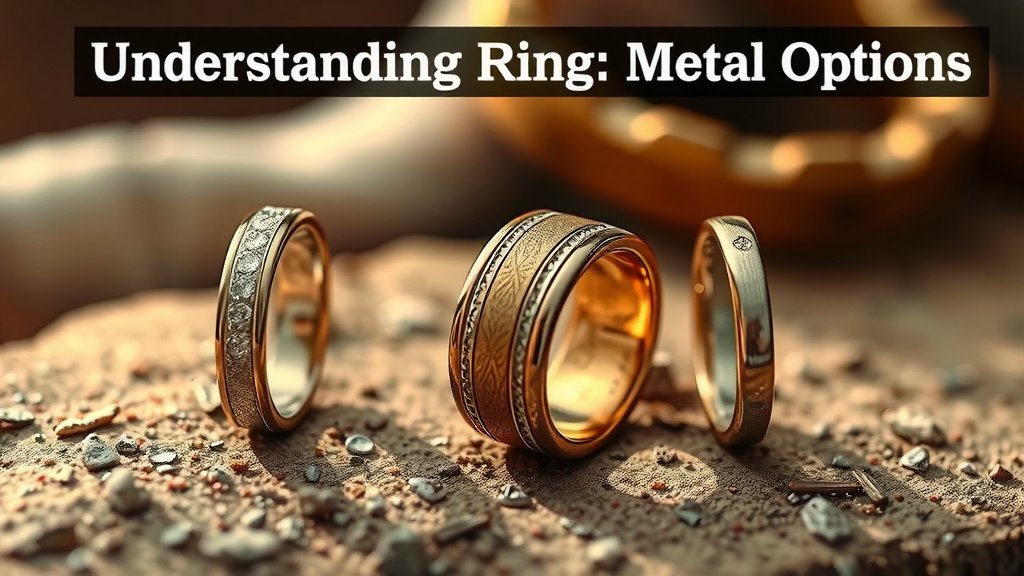
Choosing the right metal for your ring involves weighing durability, cost, and appearance. Popular choices like gold, platinum, and tungsten carbide offer distinct benefits and drawbacks. For instance, platinum is incredibly durable and hypoallergenic, while tungsten is nearly indestructible but can be brittle. Understanding these differences helps you pick the perfect metal for your needs and budget.
Your ring’s metal affects its look, how it feels on your finger, and how it holds up over time. We found that while yellow gold is classic, white gold and rose gold are modern favorites. Platinum is often seen as the ultimate luxury metal due to its rarity and strength, yet it comes with a higher price tag. Stainless steel and titanium offer budget-friendly, strong alternatives that are also great for sensitive skin.
- Gold: Classic, comes in yellow, white, and rose. Purity affects durability and cost.
- Platinum: Very durable, hypoallergenic, and naturally white. More expensive.
- Tungsten Carbide: Extremely scratch-resistant and affordable. Can be brittle.
- Stainless Steel & Titanium: Strong, affordable, and good for allergies.
Let’s compare these popular ring metals side-by-side to help you make an informed decision.
Understanding Your Ring Metal Options
Picking the perfect metal for your ring is a big decision. It affects everything from its sparkle to how long it lasts. We’ve researched the most popular choices to help you decide. You want a ring that looks great and fits your lifestyle, right?
The Classic Choice: Gold
Gold is a timeless favorite for a reason. It’s beautiful, versatile, and holds its value. But not all gold is the same. The purity of gold is measured in karats (K).
Understanding Karats
A higher karat number means more pure gold. 24K gold is pure gold, but it’s too soft for most rings. It scratches and bends easily. Most rings use 14K or 18K gold. These are alloys, meaning gold mixed with other metals like copper, silver, or zinc. This makes the ring stronger and more durable.
Gold Colors Explained
Did you know gold comes in different colors? You’ve likely seen yellow, white, and rose gold. Each gets its color from the metals mixed with it.
- Yellow Gold: This is the traditional color. It’s pure gold mixed with alloys like copper and silver. It has a warm, classic look.
- White Gold: Created by mixing gold with white metals like palladium or nickel. It’s then often plated with rhodium for a bright white finish. This plating can wear off over time, requiring re-plating.
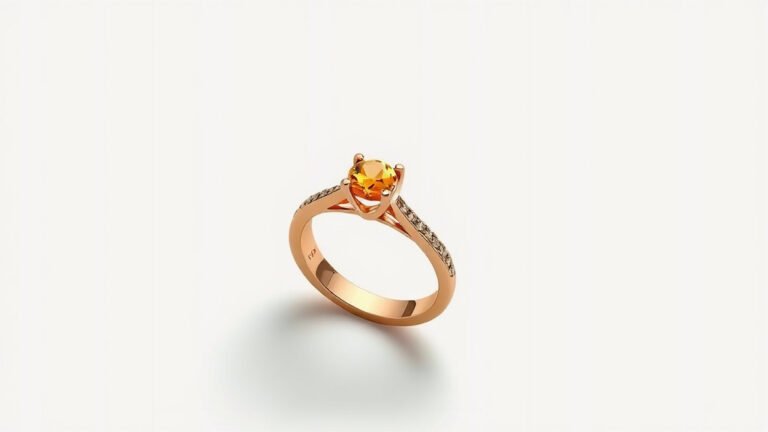
- Rose Gold: Achieved by alloying gold with copper. The more copper, the pinker the shade. It offers a romantic, vintage feel.
The Luxury Standard: Platinum
Platinum is often considered the ultimate luxury metal for jewelry. It’s naturally white and incredibly dense. This density contributes to its strength and durability.
Why Platinum Stands Out
One of platinum’s biggest advantages is that it’s hypoallergenic. This makes it a great choice if you have sensitive skin or metal allergies (Cleveland Clinic). It doesn’t contain nickel, which is a common allergen in white gold. Platinum also doesn’t tarnish or fade, maintaining its natural white sheen for life. While it can get scratched, the metal is displaced rather than lost, so it doesn’t lose weight over time. It’s also quite rare, which adds to its prestige and cost.
The Indestructible Contender: Tungsten Carbide
If you need a ring that can truly withstand anything, tungsten carbide is a top contender. It’s one of the hardest and strongest metals available.
Unmatched Scratch Resistance
Tungsten carbide is nearly impossible to scratch. This makes it ideal for active individuals or those who work with their hands. It will maintain its polish and shine for years. Many tungsten rings also have a unique look, often in a dark gray color.
A Note on Brittleness
While incredibly hard, tungsten carbide can be brittle. This means it can crack or shatter if subjected to a sharp, forceful impact. Because it’s so hard, it can’t be resized easily. In emergencies, such rings are designed to be broken off by emergency personnel. We found that experts often recommend this metal for those prioritizing extreme scratch resistance over the ability to be resized. While incredibly hard, tungsten carbide can be brittle and cannot be resized easily, making it best for those prioritizing scratch resistance.
Budget-Friendly and Strong: Stainless Steel & Titanium
For those seeking durability and a modern look without a high price tag, stainless steel and titanium are excellent options.
Stainless Steel: The Workhorse
Stainless steel is a popular choice for many reasons. It’s strong, corrosion-resistant, and affordable. It won’t tarnish or rust, making it low-maintenance. It’s also hypoallergenic for most people, though some rare individuals can react to the nickel content. Its silvery-white color is versatile and modern.
Titanium: Lightweight Power
Titanium is known for being incredibly strong yet remarkably lightweight. It’s often used in aerospace due to its strength-to-weight ratio. Like stainless steel, it’s hypoallergenic and corrosion-resistant. This makes it another excellent choice for sensitive skin and active lifestyles. Titanium often has a matte gray finish, though polished versions are also available.
Comparing Key Features at a Glance
To make your choice even easier, we’ve put together a quick comparison table. Think about what matters most to you: durability, appearance, or budget.
| Metal | Durability | Scratch Resistance | Hypoallergenic | Cost | Appearance |
|---|---|---|---|---|---|
| Gold (14K/18K) | Good | Good | May contain nickel (white gold) | Moderate to High | Yellow, White, Rose |
| Platinum | Excellent | Excellent | Yes | Very High | Naturally White |
| Tungsten Carbide | Excellent (Hard) | Exceptional | Yes | Low to Moderate | Dark Gray |
| Stainless Steel | Very Good | Very Good | Generally Yes | Low | Silvery-White |
| Titanium | Excellent | Very Good | Yes | Low to Moderate | Matte Gray |
Making Your Final Choice: A Checklist
Before you decide, run through this quick checklist. It can help solidify what you’re looking for in your perfect ring metal.
- Do you have sensitive skin or allergies?
- How active is your lifestyle?
- What is your budget range?
- Do you prefer a classic or modern look?
- How important is extreme scratch resistance to you?
- Do you ever plan to resize the ring?
Conclusion
You’ve learned that picking your ring metal is a personal journey. We found that your lifestyle, skin sensitivity, and aesthetic preferences all play a part. Gold offers classic beauty in various colors, while platinum provides unmatched hypoallergenic luxury. Tungsten carbide is exceptionally scratch-resistant, and stainless steel and titanium give you robust, affordable options. Consider your daily activities and what look you love most. Now, take that checklist and find the metal that truly speaks to you!
Frequently Asked Questions
Which ring metal is best for sensitive skin?
For sensitive skin, platinum is an excellent choice because it’s naturally hypoallergenic and doesn’t contain nickel. Titanium and stainless steel are also great options, as they are generally well-tolerated by most people with allergies.
Can I resize a tungsten carbide or titanium ring?
Tungsten carbide rings are extremely hard and cannot be resized. If you need to change the size, a new ring is typically required. Titanium rings can sometimes be resized, but it’s more difficult than with gold or platinum.
How do I care for my white gold ring?
White gold rings are often rhodium-plated for a brighter finish. We found that this plating can wear off over time. You may need to have your ring re-plated periodically to maintain its white appearance and protect the metal underneath.
Is platinum more durable than gold?
Yes, platinum is generally more durable and denser than gold. While both can scratch, platinum scratches tend to displace the metal rather than remove it, meaning it doesn’t lose mass over time like gold can.
Which metal offers the best value for money?
Stainless steel and titanium generally offer the best value for money, providing excellent durability and a modern look at a lower price point. Tungsten carbide is also very affordable and offers exceptional scratch resistance.